
Adopting a Rescue Pug: What to Expect
Learn what to expect when adopting a rescue pug, including preparation tips and insights into the pug adoption process. Get ready to welcome your new furry friend into your home!
5/11/20267 min read
Understanding the Pug Breed
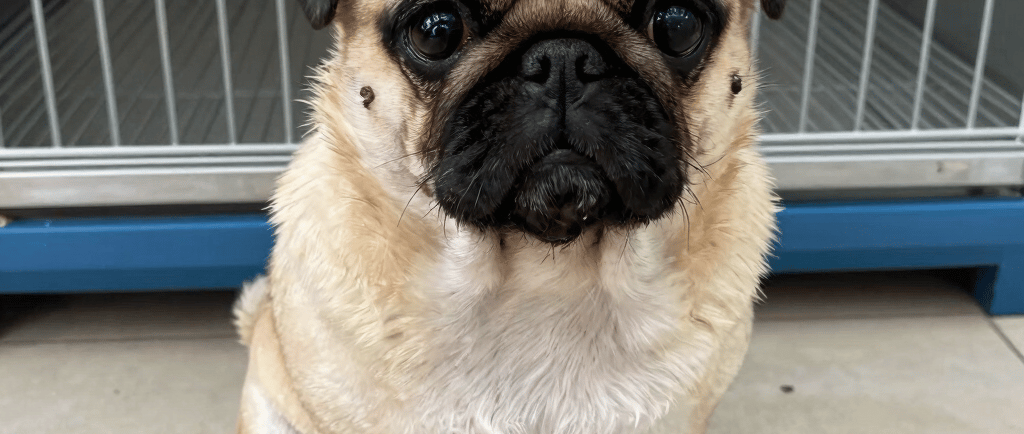
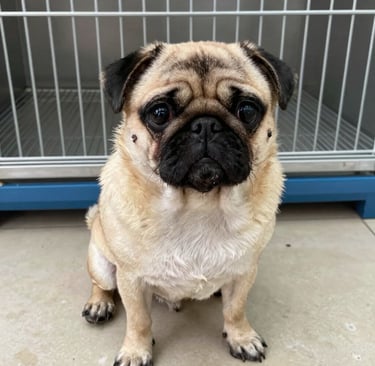
Pugs are a unique and charming breed known for their distinctive physical features, including a wrinkled face, compact body, and curled tail. One of the most notable characteristics of pugs is their playful and affectionate nature. These dogs are often described as being full of personality, making them delightful companions for families and individuals alike. Their sociability is a defining trait; pugs enjoy being around people and other pets, often thriving in a social environment where they can engage with others.
Intelligence is another aspect of the pug's temperament. Although they may sometimes exhibit a stubborn streak, pugs are capable of learning a variety of commands and tricks, which can be both fun and beneficial for their owners. Keeping a pug mentally stimulated through training and interactive play is essential, as it contributes to their overall happiness and well-being.
However, potential adopters should also be aware of common health issues associated with the breed. Pugs are brachycephalic, meaning they have short noses and flat faces, which can lead to respiratory problems. Conditions such as obesity are also of concern, as pugs can be prone to weight gain if not managed properly. Additionally, skin fold dermatitis and eye problems are frequent among pugs due to their unique anatomy, necessitating regular veterinary check-ups and maintenance.
Understanding these characteristics and health considerations is vital for anyone contemplating the adoption of a rescue pug. By assessing their lifestyle and commitment to providing the necessary care, prospective pet owners can make informed decisions about whether this lovable breed aligns with their home and family dynamics.
The Adoption Process: What to Expect
When considering adopting a rescue pug, potential pet parents should understand that the adoption process can involve several key steps. Initially, it is crucial to research local rescue organizations that focus on pugs. Many of these organizations have dedicated volunteers who can provide insight into the specific needs and personalities of available pugs. Websites and social media pages often feature profiles of individual dogs, allowing prospective adopters to gauge compatibility.
Once you have identified a rescue organization, the next step typically involves filling out an application. This application is essential for the adoption process as it provides the organization with information about your living situation, lifestyle, and preferences. This information helps the rescue organization to match you with a suitable pug that aligns with your household dynamics.
After submitting your application, you may be invited to participate in an interview or home check. The interview often serves to assess your readiness for pet ownership and to discuss any particular requirements you may have. Similarly, a home check is conducted to ensure that your living environment is safe and welcoming for a pug. It is essential to be open and honest during these discussions, as they are vital for the welfare of the dog.
Patience is a critical component throughout the adoption process. There may be a waiting period while your application is reviewed or while suitable pugs are being matched to your profile. It is imperative to remain patient and understanding, as this time allows rescue organizations to ensure they place each pug in the best possible home. Additionally, be prepared for potential challenges, such as adjusting to the pug’s previous experiences or behavioral issues. With careful preparation and a commitment to understanding your new pet, this rewarding journey can lead to a fulfilling companionship.
Preparing Your Home for a Pug
Bringing a rescue pug into your home necessitates careful planning and preparation to ensure both the comfort of your new pet and the safety of your living space. The first step in this process is dog-proofing your home. This includes removing any items that could be harmful if chewed or ingested, such as electrical cords, toxic plants, and small objects. Additionally, securing cabinets containing cleaning supplies or food can prevent unintended access to potentially dangerous substances.
Next, it is vital to invest in essential supplies that will help make your pug feel at home. Start by purchasing high-quality dog food tailored to meet the nutritional needs of a pug, along with appropriate feeding bowls. Remember that proper nutrition is fundamental in keeping your pug healthy and happy. Dog bedding is another critical item; it should be comfortable, warm, and located in a quiet area where your pug can retreat and rest peacefully.
Moreover, an assortment of dog toys is important for mental stimulation and exercise. Pugs are playful and active; therefore, choose toys that encourage interaction while being durable enough to withstand their playfulness. When setting up your home environment, consider arranging a designated space for your pug. This space should include their bed, food, water, and toys, fostering a sense of security and belonging in their new surroundings.
Lastly, ensure that your living environment is safe. If your pug will have access to outdoor spaces, make certain these areas are fenced securely to prevent escapes or accidents. By taking these steps, you create a welcoming and safe environment for your rescue pug, allowing them to adjust more comfortably to their new life with you.
Health Considerations and Regular Vet Visits
Adopting a rescue pug can be a rewarding experience, but it also requires an understanding of their specific health needs. Regular veterinary visits are crucial for maintaining your pug's overall well-being. During these check-ups, vets will conduct physical examinations, provide necessary vaccinations, and monitor any potential breed-specific health issues. Pugs are predisposed to certain diseases due to their anatomical characteristics, which makes routine care even more essential.
One of the most significant health concerns for pugs is their respiratory system, primarily due to their brachycephalic (short-nosed) structure. This can lead to breathing difficulties, particularly in situations involving heat and exercise. Understanding the signs of respiratory distress, such as excessive panting or coughing, is essential for all pug owners. Additionally, pugs are susceptible to skin conditions like dermatitis, requiring regular grooming and care to prevent irritation and infections.
Nutrition and exercise also play a vital role in the health of your pug. Providing a balanced diet that meets their specific nutritional needs is important for preventing obesity, a common issue among pugs. High-quality commercial dog foods or well-researched homemade options can support their health. It's advisable to consult with your veterinarian to tailor a diet plan suitable for your pug's age, weight, and lifestyle.
Furthermore, implementing a regular exercise routine can help manage weight and improve overall health. Short walks, playtime, and mental stimulation are recommended, but care must be taken to avoid over-exertion, given their sensitivity to heat. Therefore, ensuring that exercise is both appropriate and enjoyable is essential.
Training Your Rescue Pug: Tips and Techniques
Training a rescue pug requires a thoughtful approach that emphasizes positive reinforcement techniques. Pugs, known for their affectionate nature, respond best to rewards such as treats, praise, and playtime. Consistent use of positive reinforcement not only encourages desired behaviors but also strengthens the bond between you and your rescue pug. Begin by identifying a sequence of commands, such as "sit," "stay," and "come." Make sure to reward your pug immediately after they perform the behavior to create a clear association between the action and the reward.
Establishing routines is instrumental in helping your rescue pug feel secure and understand what is expected of them. Consistent feeding times, walking schedules, and playtimes create a sense of stability, which can reduce anxiety in rescue pets. By fostering a structured environment, your pug will learn to anticipate routine activities, making training sessions more effective.
Socialization is another key aspect of training. Introducing your pug to a variety of people, pets, and environments at a young age or soon after adoption can help mitigate future behavioral issues such as fear or aggression. Organizing playdates with other friendly dogs and taking your pug on trips to different locations can aid in their social development. During these experiences, maintain a calm demeanor, as your pug will often take cues from your behavior.
Behavioral issues may arise during the training process, particularly if your rescue pug has experienced trauma or neglect. Addressing these challenges requires patience and consistency. If your pug is fearful or exhibits undesirable behaviors, such as excessive barking or chewing, it may be beneficial to consult a professional trainer experienced with rescue dogs. Utilizing techniques tailored to your pug’s specific needs can improve their behavior and make training a more enjoyable process for both of you.
Building a Bond with Your Pug
Establishing a strong bond with your rescue pug is fundamental to creating a harmonious household. A solid relationship not only enhances your pug's sense of security but significantly improves their overall well-being. One of the most effective ways to nurture this bond is by dedicating quality time to your pug. Engage in activities such as short walks, cuddling on the couch, or simply enjoying quiet moments together. These shared experiences create lasting memories and help your pug adjust to their new environment, alleviating any stress or anxiety they may feel.
Engaging in play is another crucial aspect of bonding. Pugs are known for their playful and affectionate nature, and providing them with toys or participating in interactive games can foster a deeper connection. Playtime allows your pug to express themselves, encourages physical activity, and strengthens the trust between you both. Incorporating training sessions that include fun, rewarding tasks can also enhance the interaction and serve as an opportunity to reinforce positive behaviors.
Trust is the cornerstone of any relationship, including the one between you and your rescue pug. To establish trust, it is important to be consistent, patient, and compassionate. This means respecting their space and giving them time to acclimate to their new home. Understanding your pug's body language and emotional needs is vital in this process. Recognize when your pug shows signs of discomfort or anxiety, and be responsive to their feelings, offering comfort and encouragement as needed. By being attentive to their behavior, you signal to your pug that they are in a safe and loving environment, which will significantly enhance the bond you share.
The Joys of Life with a Rescue Pug
Welcoming a rescue pug into your home is not just an act of kindness; it is an experience filled with joy, laughter, and unwavering companionship. Many pug owners express how adopting a rescue pug enriched their lives beyond measure. The unique personality of a pug, often marked by their playful antics and affectionate nature, creates a bond that is hard to replicate. One pug owner recalls the moment their rescue pug snuggled up to them for the first time, a small gesture that instantly melted their heart.
Rescue pugs are renowned for their loyalty. They often form deep connections with their families, adapting seamlessly to the dynamics of their new home. The joy of having a rescue pug lies in their ability to provide emotional support, unconditional love, and the occasional comic relief. Many owners describe how their pugs have turned mundane daily routines into fun adventures, from lively walks in the park to playful games of fetch in the backyard.
Incorporating enriching activities into your pug's life is essential for fostering this joyful bond. Pugs thrive on regular exercise, and simple yet engaging play can improve both their physical and mental well-being. Activities such as agility training or interactive puzzle toys can provide stimulation and enhance their happiness. Furthermore, attending pug meet-ups can offer both pets and owners an opportunity to socialize, building a network of support and shared experiences.
Every moment spent with a rescue pug is cherished, whether you are cozying up during movie nights or enjoying outdoor escapades. Their zest for life and affectionate demeanor can bring unparalleled happiness into any household. Ultimately, the experience of adopting a rescue pug is about embracing the joy and love they share, transforming your home into a warm sanctuary filled with memories that last a lifetime.