Best Brushes for Pugs: Grooming Double Coats
Discover the best brushes for pugs to effectively manage their double coat. Our comprehensive guide offers tips on pug grooming and essential tools for maintaining a healthy coat.
5/10/20268 min read
Understanding the Pug's Double Coat
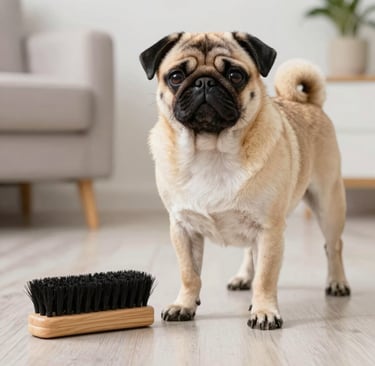
The pug is a charming breed known for its distinct appearance and engaging personality, but what many people may not realize is that pugs possess a double coat. A double coat consists of two layers: the undercoat, which is softer and denser, and the outer coat, which is coarser and longer. This unique structure serves several important functions that are crucial for the breed's overall health and grooming requirements.
Firstly, the double coat acts as a natural insulator, providing warmth in colder months and also helping to keep the body cool in warmer weather. This temperature regulation is vital for a breed like the pug, which can be susceptible to heat stress. Additionally, the undercoat aids in moisture regulation, making it easier for pugs to cope with changing environmental conditions. However, this coat structure also leads to specific grooming challenges and increased shedding, particularly during seasonal changes.
The pug's double coat typically consists of a short and smooth outer layer that provides protection from environmental elements and a fluffy undercoat that is responsible for insulation. As a result, proper grooming is essential to maintain the health and appearance of this coat. Regular brushing helps to remove loose hair, prevents matting, and reduces the amount of hair that may end up on furniture and clothing. Moreover, by attending to grooming needs, owners can keep their pugs comfortable and happy, minimizing the risk of skin issues or discomfort associated with improper coat care.
Given that pugs shed year-round, and become particularly heavy shedders during seasonal transitions, it is imperative to use the right grooming tools. The understanding of the pug's double coat, paired with effective grooming strategies, will lead to a well-maintained coat and a healthier, happier pet.
Importance of Regular Grooming for Pugs
Regular grooming is essential for maintaining the health of a pug's double coat and ensuring their overall hygiene. Pugs possess a unique coat structure, which consists of a dense undercoat and a longer topcoat. This combination requires consistent grooming to keep both layers healthy, as neglecting grooming can lead to various skin issues. Skin irritations, infections, and matting can occur when dirt, debris, and loose hair accumulate within the coat. By adhering to a regular grooming routine, pug owners can effectively mitigate these concerns.
Moreover, grooming serves to significantly reduce shedding, which is particularly beneficial for maintaining a clean living environment. Pugs tend to shed throughout the year, and routine brushing helps to catch loose hairs before they spread across furniture and flooring. Furthermore, removing dead hair through grooming allows for better air circulation across the skin, reducing the chances of developing conditions such as hot spots or dermatitis.
In addition to health benefits, grooming is an excellent opportunity for bonding between the pug and its owner. The grooming process offers a chance for the owner to inspect the dog for any unusual signs or changes, such as lumps and bumps on the skin. Spending quality time during grooming sessions fosters trust and comfort, enhancing the relationship between pet and owner. Pugs are affectionate animals, and responding positively during grooming can contribute to their emotional well-being.
In summary, regular grooming is a critical aspect of caring for pugs. It not only aids in managing their unique double coat but also promotes better skin health and hygiene, reduces shedding, and strengthens the bond shared between the owner and their pet. Investing time and effort into grooming routines will benefit both the pug and the owner in the long run.
Types of Brushes Suitable for Pugs
When it comes to grooming pugs, understanding the types of brushes available is essential for maintaining their double coat effectively. Different brushes serve specific purposes, each with its own advantages and disadvantages.
One popular type of brush for pugs is the slicker brush. This brush features fine, bent wire bristles designed to penetrate deep into the coat, effectively removing loose hair and mats. The pros of using a slicker brush include its ability to tackle stubborn tangles and undercoat shedding. However, it can be harsh on sensitive skin, so care must be taken to avoid excessive pressure during brushing.
Another suitable option is the bristle brush. This brush comes with soft, flexible bristles that are ideal for smoothing the topcoat. Its primary function is to distribute natural oils throughout the fur, promoting a healthy sheen. While bristle brushes are gentle and great for maintaining coat health, they might not be as effective in removing loose hair and tangles compared to slicker brushes.
Lastly, the undercoat rake is particularly useful for pugs, as it helps to eliminate dead hair from the undercoat without damaging the topcoat. The rake's long teeth can reach beneath the surface, making it excellent for shedding seasons. However, improper usage can lead to uncomfortable pulling on the skin, so it should be used with a gentle hand.
In conclusion, selecting the right brush for your pug is vital to managing their double coat effectively. Each type of brush has its own unique benefits and potential drawbacks, so it is important to consider your pug's individual grooming needs and preferences when making a choice.
How to Choose the Right Brush for Your Pug
Selecting the appropriate brush for your pug is critical in maintaining their distinctive double coat. Pugs have a unique coat structure that requires specific types of grooming tools. The first step in your decision-making process should involve assessing your pug’s coat type. Pugs typically exhibit a short and smooth outer layer, along with a dense undercoat. This characteristic necessitates brushes that can effectively penetrate both layers without causing discomfort.
Different brushes serve distinct purposes. For general grooming, a bristle brush or a slicker brush is ideal. The bristle brush facilitates the removal of loose hairs while also distributing natural oils through the coat, promoting a healthy shine. On the other hand, a slicker brush is effective for detangling and addressing any mats that may form, especially in areas prone to rubbing, like under the arms and around the neck. It's important to select tools according to your pug’s grooming needs and any specific challenges they may present.
Another significant factor to consider is your pug’s age. Puppies may have softer coats that require gentler brushes, while older dogs may need a more robust tool to manage shedding and matting effectively. As your pug ages, their grooming requirements may change; regular evaluation of their coat will help you adapt your grooming strategy accordingly.
Additionally, consider the ergonomics of the brush. A comfortable grip can alleviate hand fatigue, especially during longer grooming sessions. Look for brushes with cushioned handles, as they tend to offer better control and ease of use. Ultimately, the right brush will not only streamline grooming efforts but will also enhance the overall experience for both you and your pug. Taking the time to find the best tool tailored to your pet’s specific needs will lead to a healthier, more manageable coat.
Grooming Techniques for Pugs
Effective grooming is vital for maintaining the health and appearance of a pug’s double coat. The right grooming techniques not only keep their fur looking great but also enhance your bond with your pet. Here are some steps to ensure a comfortable grooming experience for both you and your pug.
Firstly, create a calm environment. Choose a quiet area in your home where your pug feels safe. This helps in reducing anxiety during grooming sessions. Begin by allowing your pug to explore the grooming tools; let them sniff the brushes to get familiar with them.
Next, it’s important to use the right brush. A slicker brush is effective for removing loose fur, while a bristle brush can help distribute natural oils throughout their coat. Ensure the brushes are clean and free from debris before use.
Begin the grooming process by gently brushing your pug’s back, working in the direction of hair growth. Use short, even strokes to avoid pulling or tugging on the fur. Brush the sides and legs carefully, paying attention to sensitive areas like the belly and chest, where you should use a gentler approach.
When encountering knots, avoid forceful tugging. Instead, use your fingers to gently separate the mats, or employ a dematting comb if necessary. Be patient, as pulling too hard can cause discomfort or pain to your pug. Offering treats during the grooming process can help reinforce positive behavior and create a more enjoyable experience.
Finally, always end the session on a positive note. Once grooming is complete, reward your pug with praise or a favorite toy to solidify a positive association with this essential routine. Regular grooming will not only keep your pug’s coat healthy but will also deepen the trust between you and your furry friend.
Frequency and Timing of Grooming Sessions
Grooming is a crucial aspect of caring for pugs, particularly given their double coat which tends to trap loose hair and debris. It is recommended that pug owners groom their pets at least once a week. However, during the shedding season, which usually occurs biannually in the spring and fall, it is advisable to increase the frequency of grooming sessions to two or three times a week. This not only helps in managing the shedding but also minimizes the accumulation of fur around the home.
Understanding the timing of grooming is also important. Pugs are often more receptive to grooming sessions during specific times of the day—typically early mornings or late afternoons when they tend to be more relaxed after a good rest. Scheduling grooming sessions at these times can result in a more cooperative experience for both the owner and the pet.
Moreover, incorporating a consistent grooming routine during these recommended times can have long-term benefits. Pugs will begin to associate these moments with positive experiences, which can reduce stress and anxiety around grooming. Additionally, be mindful of your pug’s mood and behavior; if they seem unusually agitated or tired, it might be wise to postpone the grooming session. Paying attention to your pug's signals can lead to a more productive grooming experience.
In conclusion, regular grooming, especially during shedding seasons, is vital for maintaining a healthy coat in pugs. Timing these sessions effectively not only supports the grooming process but also strengthens the bond between owner and pet. By adopting this approach, pug owners can ensure their furry companions remain comfortable and well-groomed throughout the year.
Common Grooming Mistakes to Avoid
Grooming a pug can be an enjoyable experience; however, it is crucial for pet owners to be aware of common mistakes that may lead to discomfort for their pets or ineffective grooming. One of the primary errors made is using the wrong type of brush for their distinctive double coat. Pugs have a combination of a short, smooth outer layer and a soft undercoat. A brush that is too harsh can irritate their skin, while one that is too soft may not effectively remove loose fur. Therefore, selecting a grooming brush specifically designed for double-coated breeds is paramount.
Another frequent mistake is employing improper techniques. Many owners may rush through the grooming process, which can lead to pain or anxiety in the animal. Grooming should be a gentle and methodical process, starting with the undercoat and moving to the outer coat. It is advisable to section the coat off and groom small areas at a time. Additionally, neglecting certain parts of the pug's body, like the face, ears, and underbelly, can result in matting and discomfort. It is essential to pay special attention to these areas and use a comb to remove trapped hair.
Moreover, some pet owners overlook the importance of regular grooming intervals. Ignoring a pug's grooming needs can lead to excessive shedding and skin issues. Regular grooming, ideally every week, maintains coat health and unwanted odor. Properly educating oneself about the unique grooming requirements of pugs will avoid these common pitfalls. By selecting the right tools, employing appropriate techniques, and adhering to a consistent grooming schedule, pet owners will enhance both the hygiene and comfort of their beloved pugs.