The Fascinating Pug: History, Characteristics, and Care
5/1/20267 min read
Introduction to Pugs
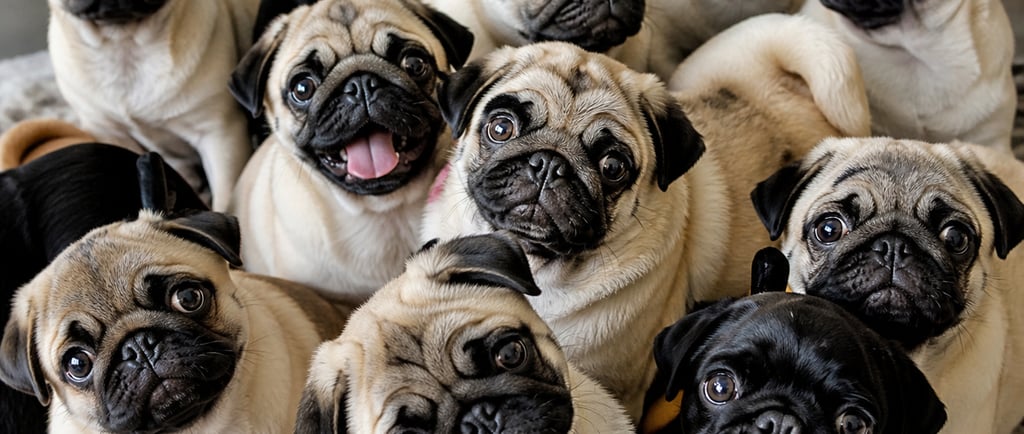
Pugs are a small dog breed that have captured the hearts of many with their unique and adorable physical characteristics. One of the most distinctive features of the pug is its short-muzzled face, which gives it an expressive and often comical appearance. The breed’s face is characterized by deep-set eyes that are full of personality, contributing greatly to its charm as a pet.
In addition to their facial structure, pugs have a compact build that distinguishes them from other breeds. Their stocky bodies and short legs give them a sturdy appearance, making them seem robust despite their small size. The pug's muscular build enables them to be playful and agile, further enhancing their appeal to families and individuals alike.
Another notable characteristic is the pug’s curled tail, which adds a final touch to their unique silhouette. This feature not only contributes to their overall aesthetic but also symbolizes the breed's playful nature. Pugs are known to be lively and affectionate, which complements their distinctive looks, making them particularly popular among pet owners who desire a companion that is both loving and entertaining.
The combination of these features certainly plays a vital role in the pug’s growing popularity. Their appealing looks and charming demeanor have ensured that they remain a favored breed for many across the globe. As pets, pugs provide companionship and joy, making them a delightful addition to any household.
A Brief History of Pugs
Pugs have a long and storied history, originating in ancient China, where they were cherished as companions by emperors and nobility. Their charming demeanor and distinctive appearance made them sought-after pets, often regarded as symbols of wealth and status. These small yet robust dogs were typically kept in lavish surroundings and were considered sacred animals, only to be owned by the elite.
As trade routes expanded, particularly during the 16th century, these endearing dogs made their way to Europe. Pugs quickly garnered attention and admiration across the continent, particularly in the Netherlands, where their popularity was significantly bolstered by the House of Orange. A notable incident involved William of Orange, who reportedly received a pug, which he cherished dearly. The breed's connection to the Dutch royal family helped cement its status as a fashionable pet among the aristocracy.
In England, the pug's fame experienced a meteoric rise during the reign of Queen Victoria. This monarch, known for her love of animals, adopted and promoted the breed, thus enabling pugs to find their way into many British households. Through this royal endorsement, pugs became emblematic of the Victorian era's fascination with small, companion animals, leading to their widespread acclaim and affection throughout British society. The pug's lineage thus reflects a rich tapestry of cultural significance, friendship, and shared history that continues to resonate to this day.
Physical Characteristics of Pugs
Pugs are distinct and charming dogs recognized for their compact size and unique facial features. These small breeds typically weigh between 14 to 18 pounds and stand about 10 to 13 inches at the shoulder, making them manageable companions for various living environments. Their bodies are stocky and muscular, providing a sturdy structure that supports their lively nature and playful demeanor.
One of the most notable physical characteristics of pugs is their coat, which is short, smooth, and glossy. This coat comes in a variety of colors including fawn, black, silver, and apricot. The texture and length of their fur require low maintenance, allowing for easy grooming, which is advantageous for pet owners. However, the specific coat colors can influence their visibility and appeal, making certain hues more popular than others within pet communities.
Typical of their breed, pugs possess a round head, short snout, and prominent eyes that contribute to their expressive and endearing appearance. Their skin is loose, forming delightful wrinkles, particularly on their faces, which add to their character. These wrinkles require regular cleaning to maintain hygiene and prevent skin-related issues. The pug's round, curled tail and sturdy legs further enhance their unique silhouette, combining cuteness with solidity.
These defining physical attributes do not merely serve aesthetic purposes; they also play a crucial role in the pug’s overall health and personality. A well-structured dog with balanced muscle development is less likely to experience mobility issues. Additionally, the charming demeanor often associated with pugs is largely rooted in their comforting appearance, which tends to elicit affection and engagement from their human counterparts.
Pug Temperament and Personality
Pugs are renowned for their playful, affectionate, and sociable nature, making them a favored breed among dog lovers. These charming companions exude a unique temperament that captivates the hearts of many. They are particularly recognized for their friendly demeanor, often displaying an eagerness to engage with people and other animals alike. Their sociable nature allows them to adapt seamlessly to various living conditions, from bustling family homes to quieter individual settings.
The affectionate behavior of pugs is one of their most endearing traits. Known for forming strong bonds with their owners, they thrive on companionship and often seek to be at the center of family activities. The playful attitude of pugs adds to their vivacious personality, as they enjoy games and playtime, which further strengthens the connection with their human counterparts. Their antics can provide constant entertainment, and their joyful disposition quickly lifts the spirits of those around them.
Furthermore, pugs exhibit a charming curiosity that often leads to amusing situations, which endears them to their families. They possess a balanced mix of energy and calmness, making them suitable companions for both active individuals and those who prefer a more relaxed lifestyle. Their gentle nature also makes them excellent companions for children, allowing for interactions filled with fun and affection.
In summary, the remarkable temperament and personality traits of pugs make them ideal companions. Their playful spirit, affectionate behavior, and agreeable sociability contribute to their status as beloved pets for families and individuals alike. Those considering adding a pug to their household can look forward to a loyal and joyful companion who enriches their lives with love and laughter.
Care and Maintenance of Pugs
Caring for a pug requires attention to their specific health needs and lifestyle tendencies. One significant aspect of pug care is grooming. Their short coat necessitates regular brushing to minimize shedding and keep their skin healthy. A brush two to three times a week is typically sufficient. However, pugs are prone to skin folds, particularly around their facial structure, so it’s essential to wipe these areas carefully with a damp cloth to prevent irritations and infections. Regular veterinary check-ups are advisable to monitor any skin issues and ensure their overall well-being.
The dietary requirements of pugs must also be managed diligently. Pugs have a tendency to become overweight due to their love for food and a propensity towards a sedentary lifestyle. It is crucial to provide them with high-quality dog food that is specifically formulated for small breeds, ideally rich in protein and low in fat. Portion control is key; follow the recommendations based on their age and activity level. Additionally, be cautious with treats; opt for healthy options and use them sparingly to avoid excessive calorie intake.
Exercise for pugs is vital to maintain a healthy weight and promote good physical condition. Daily walks and play sessions are essential, though these should be adapted to suit their level of endurance. Due to their brachycephalic nature, pugs can experience breathing difficulties, particularly in hot or humid conditions. Short bursts of play along with moderate periods of rest should be incorporated into their routine. Monitoring their breathing during exercise is crucial to prevent overheating or overexertion.
In summary, a comprehensive care routine combining proper grooming, a balanced diet, and regular exercise, tailored to their unique physiological structure, will help maintain the health and happiness of your beloved pug.
Common Health Issues in Pugs
Pugs are a beloved breed known for their affectionate nature and distinctive appearance. However, their unique physical characteristics make them susceptible to various health issues. One of the most prevalent concerns is breathing difficulties, primarily due to their brachycephalic (flat-faced) structure. This anatomical trait can lead to conditions such as brachycephalic obstructive airway syndrome (BOAS), where narrowed nostrils, elongated soft palates, and other respiratory irregularities impede airflow. Owners should remain vigilant for signs of respiratory distress, such as labored breathing, snoring, and excessive panting, especially in hot weather.
Another common health problem in pugs is skin conditions. Their wrinkled skin, while charming, can trap moisture and debris, leading to infections and irritations. Conditions like dermatitis and pyoderma are often seen, particularly in the fold areas. Regular cleaning of the skin folds is crucial in preventing these issues, as is monitoring for signs of discomfort or unusual odor.
Additionally, pugs are predisposed to eye-related issues, including corneal ulcers and cataracts, owing to their prominent eyes. Regular veterinary check-ups are essential for early detection of these problems. Pugs can also be prone to obesity, which exacerbates existing health issues like joint problems and increases the risk of diabetes.
To ensure a healthy life for your pug, maintaining a balanced diet, providing regular exercise, and scheduling routine veterinary visits are critical steps. Preventive measures, such as vaccinations and flea control, should not be overlooked. By being proactive and informed about these common health challenges, owners can significantly enhance their pugs' quality of life and longevity.
Conclusion: Why Pugs Make Great Pets
Pugs have captured the hearts of dog lovers around the world with their unique blend of personality and companionship. From their rich history as companions to royalty in ancient China to their modern-day roles as family pets, these charming dogs boast a legacy of affection and loyalty.
One of the most beloved characteristics of pugs is their distinctive and affectionate demeanor. They are naturally sociable and thrive on companionship, making them ideal pets for families, couples, and singles alike. Their delightful nature encourages strong bonds with their human family members, seamlessly integrating into varying lifestyles.
Furthermore, pugs are known for their playful antics and entertaining personalities. With a tendency to be comical, they easily bring joy and laughter to any home. Their adaptability allows them to be comfortable in both small apartments and larger homes. Regardless of their living situation, pugs flourish when they are included in family activities and social interactions.
Moreover, the pug's low exercise requirements cater to those who may prefer a more laid-back lifestyle. A leisurely walk or a play session in the backyard suffices to keep them content. This, paired with their charming nature, makes them especially appealing as pets for those who appreciate companionship without demanding exercise routines.
In essence, pugs provide unwavering loyalty and unconditional love, embodying the qualities of great companions. Their blend of humor, affection, and adaptability makes them a top choice for many dog enthusiasts. When contemplating the addition of a pet to your family, the pug is undoubtedly a wonderful candidate, offering both joy and endless affection.