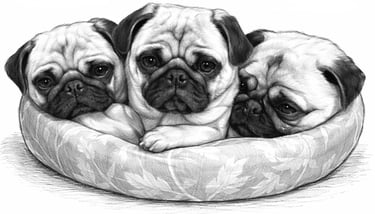
The Ultimate Care Guide for Pugs: Keeping Your Furry Friend Happy and Healthy
5/1/20267 min read


Understanding the Pug Breed
Pugs have a rich history that dates back to ancient times, believed to have originated in China as companion animals for royalty. These small, muscular dogs were cherished by emperors and have since made their way into the hearts and homes of dog lovers worldwide. Their compact size, affectionate nature, and playful demeanor make them extraordinary companions, particularly suited for families and individuals alike.
The temperament of pugs is one of their most appealing traits. Generally characterized as sociable and charming, pugs possess a lively spirit and are known for their mischievous antics. They thrive on human interaction and enjoy being part of family activities. Their friendly disposition makes them excellent with children, though their playful tendencies may require supervision to ensure a harmonious relationship with younger family members.
Pugs exhibit several unique physical characteristics that contribute to their charm. Their distinctive short snouts and wrinkled faces are not just adorable; these traits also demand specific care considerations. For instance, the brachycephalic nature of pugs can lead to breathing challenges, particularly in hot or humid conditions. Pet owners should be aware of these factors and ensure they provide their pugs with a cool environment, regular exercise while avoiding overheating, and routine veterinary check-ups to monitor their respiratory health.
Additionally, their expressive eyes and loose skin are prone to certain health issues, making vigilance in maintenance important. Regular inspections of their eyes and skin folds, along with proper cleaning, can help prevent irritation and infections.
In summary, the pug's endearing personality and unique characteristics combine to create a breed that is not only loved for its aesthetic appeal but also for its loyal companionship. Understanding these traits is essential for any potential pug owner aiming to provide a nurturing and healthy environment for their furry friend.
Nutritional Needs for Pugs
Pugs are a small breed with specific nutritional needs that should be met to ensure their overall health and well-being. A balanced diet is crucial for maintaining their energy levels, supporting their immune system, and promoting a healthy coat and skin. When choosing food for your pug, it is essential to select high-quality kibble or wet food that is formulated specifically for small breeds. These diets typically contain the right balance of proteins, fats, carbohydrates, vitamins, and minerals required for optimal health.
Caloric intake is a critical factor to monitor in pugs, as they are prone to obesity. On average, an adult pug requires between 25 to 30 calories per pound of body weight per day. It is important to measure their food portions accurately and to avoid free-feeding. Instead, consider dividing their daily calorie intake into two or three meals to help maintain consistent energy levels throughout the day.
In addition to the basic dietary requirements, pugs can also develop food allergies and sensitivities, which may lead to gastrointestinal issues or skin problems. Common allergens include grains such as wheat, soy, and corn, as well as certain proteins like beef and chicken. If you notice symptoms such as itching, digestive upset, or unusual behavior after feeding, it may be wise to consult a veterinarian and possibly switch to a hypoallergenic diet.
Including fresh fruits and vegetables in moderation can also benefit your pug, providing essential nutrients and adding variety to their diet. However, always check which human foods are safe for dogs, as some fruits and vegetables can be toxic to pets. A well-balanced diet tailored to your pug’s unique needs will contribute to a longer and healthier life.
Weight Management: Keeping Your Pug Healthy
Maintaining an optimal weight is crucial for the overall health and well-being of pugs. The ideal weight range for most adult pugs is typically between 14 to 18 pounds, depending on their size and overall build. However, individual factors such as age, activity level, and overall health can influence what is considered a healthy weight for a specific pug. Regular veterinary check-ups can help ascertain whether your pug falls within this healthy weight range and can provide tailored advice for weight management as necessary.
Obesity in pugs is a significant concern, as it can lead to a myriad of health issues such as joint problems, diabetes, and respiratory disorders. These conditions can severely impact their quality of life. Recognizing the early signs of weight gain is essential; pet owners should be vigilant about physical appearance and general activity levels. If your pug has difficulty in performing ordinary activities like playing or walking, it might be time to consider a weight loss plan.
To effectively manage your pug's weight, portion control is critical. Measuring out food according to guidelines provided on the pet food packaging or as advised by your veterinarian can prevent overfeeding. Moreover, it is advisable to establish a regular feeding schedule, providing meals twice daily rather than allowing unlimited access to food. This routine not only aids in weight management but also promotes more disciplined eating habits.
Additionally, incorporating exercise into your pug’s daily routine can significantly enhance their physical health. Short walks and interactive play sessions can help burn calories effectively while ensuring mental stimulation. Engaging in physical activities alongside monitoring their food intake will create a balanced approach to maintaining your pug’s ideal weight.
Grooming Your Pug: A Routine for Health
Grooming your pug is an essential aspect of ensuring their overall well-being. Pugs have a unique coat that requires regular attention to keep it healthy and vibrant. A consistent grooming routine not only prevents matting but also helps in shedding management, which is particularly relevant given the pug's seasonal shedding patterns. You should brush your pug at least once a week using a soft-bristle brush or a grooming mitt, which helps in removing loose fur and distributes natural oils throughout the coat for a sleek appearance.
Bathing is another important component of grooming. Pugs typically have sensitive skin, making it crucial to use a mild, hypoallergenic dog shampoo to prevent irritation. It is advisable to bathe your pug every month. However, if your pug indulges in particularly messy play or rolls in something undesirable, more frequent baths may be necessary. Ensure to rinse thoroughly, as leftover shampoo can lead to skin issues. After bathing, gently dry your pug with a towel, and avoid using blow dryers, as the noise can be upsetting for them.
Additionally, special attention should be given to your pug's facial wrinkles, which are prone to trapping moisture and debris. Regularly clean these folds with a damp cloth or a specific dog wipe designed for this purpose. By gently wiping the areas around their eyes and nose, you can help prevent infections and maintain clean skin. Furthermore, regular eye checks and cleaning can diminish the chances of irritations that are not uncommon in this breed.
Establishing a grooming routine ensures not only a healthy coat but also improves the bond between you and your pug. This practice can be a positive experience for both of you, contributing to your pug’s happiness and health.
Exercise Needs for Pugs
Pugs are a unique breed, requiring a careful balance of exercise to maintain their health while accommodating their distinctive respiratory traits. Due to their brachycephalic (short-nosed) structure, pugs are more susceptible to respiratory issues, making it essential to consider their physical activity needs with caution.
For pugs, daily exercise typically includes around 30 minutes to an hour of moderate activity. However, the intensity and duration may need adjustment based on individual health levels and age. Engaging in gentler exercises can help prevent overheating and respiratory distress, which are common concerns for this breed.
Safe activities for pugs include leisurely walks and light play sessions. Indoor games such as tug-of-war or fetch in a controlled environment can also be beneficial and entertaining for your furry friend. Other enjoyable activities may involve training sessions that stimulate their minds while providing physical movement. Since pugs thrive on social interactions, incorporating playdates with other dogs can also enhance their exercise experience.
Considering the potential for overheating, it is crucial to monitor environmental conditions during outdoor activities. Avoid vigorous exercise during excessively hot weather, and always provide access to fresh water. Shorter exercise sessions with breaks can keep pugs healthy while ensuring their safety.
In conclusion, understanding the exercise needs of pugs is vital for their overall well-being. Providing a mix of manageable activities and mindful attention to their unique respiratory characteristics will keep your pug happy and healthy, ensuring a fulfilling life together.
Common Health Issues in Pugs and Prevention
Pugs are a beloved breed known for their charming personality and distinctive physical features. However, these adorable dogs are prone to certain health issues that owners should be aware of to ensure their furry friends remain happy and healthy. Some of the most prevalent health problems in pugs include respiratory difficulties, eye conditions, and risks related to overheating.
One major concern for pug owners is brachycephalic obstructive airway syndrome (BOAS), a condition resulting from their short nasal passages and flat faces. Dogs suffering from BOAS can experience breathing difficulties, especially during exercise or in hot weather. To prevent these issues, it is crucial to maintain a healthy weight for your pug, as excessive weight can exacerbate respiratory problems. Regular, gentle exercise can help maintain their weight without overexerting them.
Eye problems are another common issue in pugs, particularly conditions such as corneal ulcers and cataracts. Their prominent eyes make them susceptible to injury and infections. Regularly examining your pug’s eyes for redness, discharge, or excessive tearing is essential. Maintaining good hygiene by cleaning around the eyes with a damp cloth can aid in preventing infections.
Overheating is also a significant concern for this breed due to their poor ability to regulate body temperature. Pugs should not be left in hot or humid environments for extended periods. Providing plenty of water, shade, and the opportunity to rest indoors during warmer months is vital. Owners should be vigilant for signs of overheating, such as excessive panting, lethargy, or drooling.
By understanding these common health issues and implementing preventive measures, pug owners can significantly enhance their pet's quality of life. Regular veterinary check-ups and proactive care will ensure that your pug remains healthy and vibrant for years to come.
Regular Veterinary Check-Ups: A Key to Longevity
Regular veterinary check-ups are essential for maintaining the overall health and well-being of your pug. Just like humans, dogs require consistent medical evaluations to ensure they are flourishing. These visits serve multiple purposes, including preventative care, vaccination schedules, and early detection of health issues.
Vaccinations are a critical component of veterinary care for pugs. Puppies initially require a series of vaccinations to protect them against common diseases, including parvovirus and distemper. As they age, annual boosters are necessary to maintain immunity. Your veterinarian will guide you through an appropriate vaccination schedule based on your pug's age, lifestyle, and health status, ensuring they remain safe and protected.
Dental care is another vital aspect of a pug’s health. Regular check-ups allow the veterinarian to monitor oral health, which is essential in preventing periodontal disease. Many pugs are prone to dental issues due to their short muzzles and compact jaws. At these appointments, professional cleanings may be recommended, and guidance will be provided on how to maintain good oral hygiene at home, including brushing your pug's teeth regularly and offering dental treats designed to reduce tartar buildup.
Routine veterinary examinations also play a significant role in identifying health problems early. Conditions such as obesity, heart disease, or skin issues can be detected during these visits. Early intervention can greatly enhance treatment outcomes, ensuring your pug remains healthy and happy for years to come. Making veterinary appointments a part of your pug's routine not only supports their well-being but fosters a trusting relationship between you, your pet, and the veterinarian.