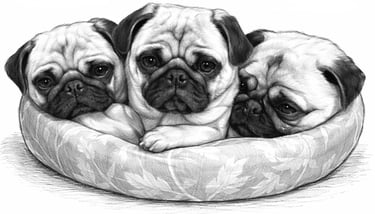
Health Tips for Pugs: A Comprehensive Guide
5/1/20268 min read


Understanding Pug Anatomy and Health Needs
Pugs are a small dog breed known for their distinctive physical traits, including a short muzzle, large round eyes, and a compact body. Their unique anatomy has important implications for their overall health and well-being. The brachycephalic structure, characterized by a shortened skull shape, poses respiratory issues that require careful attention. Due to their flat faces, pugs frequently experience breathing difficulties, especially in hot or humid conditions. As responsible pet owners, it is crucial to monitor these symptoms closely and consult a veterinarian if any respiratory distress is observed.
Another prevalent concern for pugs is their susceptibility to obesity. Their stocky build and relatively low energy levels make it easy for them to gain weight, which can further exacerbate health problems such as joint issues and diabetes. Maintaining a balanced diet and regular exercise is essential to ensure that pugs remain within a healthy weight range. It is advisable to consult your veterinarian to determine the appropriate diet tailored to your pug’s specific needs.
Furthermore, pugs are prone to several genetic conditions, including hip dysplasia and skin allergies. Recognizing the signs and symptoms of these conditions early on can be beneficial in establishing a proactive care routine. Regular check-ups with a veterinarian can help in monitoring your pug's health and addressing any concerns promptly. Understanding the anatomy and health needs of pugs not only aids in ensuring their longevity but also enhances their quality of life. The more informed a pet owner is about their breed's unique characteristics, the better equipped they will be to provide optimal care for their beloved pugs.
Maintaining a Healthy Weight
Maintaining a healthy weight is crucial for pugs, as their unique physical characteristics make them predisposed to various health issues when excess weight is present. As brachycephalic dogs, pugs often experience breathing problems that can be exacerbated by obesity. Additionally, extra weight puts undue strain on their joints, potentially leading to long-term mobility issues. Therefore, weight management should be a priority for every pug owner.
Monitoring a pug's weight regularly is essential for effective weight management. Owners should weigh their pets at home or during veterinary visits to track any fluctuations. It is advisable to consult with the veterinarian to establish a target weight based on factors such as age, size, and overall health. A visual assessment can also be helpful; owners should be able to feel their pug's ribs without excessive pressure and observe a defined waistline when viewed from above.
Diet plays a significant role in keeping a pug’s weight within healthy parameters. High-quality dog food with balanced nutrients is vital, as it promotes overall health while managing calorie intake. Owners should avoid feeding pugs table scraps or high-calorie treats, as these can easily lead to weight gain. Implementing portion control is another vital strategy; measuring food and sticking to recommended serving sizes can help in regulating their caloric consumption.
Exercise is equally important for weight management. Pugs, despite their playful nature, may require encouragement to remain active. Daily walks, play sessions, or interactive toys can stimulate physical activity and prevent boredom. Creating a routine that incorporates regular exercise helps in burning calories while fostering a healthy lifestyle.
By focusing on weight management, pug owners can significantly enhance their pets' quality of life. A healthy weight can lead to better respiratory function, reduced joint stress, and improved overall health outcomes, ensuring that beloved pugs lead happy, active lives.
Safe Exercise for Pugs
Pugs are lovable, charming companions that require tailored exercise routines to maintain their health and well-being. Due to their unique body structure, including short snouts and stocky builds, pugs are particularly susceptible to respiratory issues and overheating. Therefore, incorporating safe exercise practices into their daily routine is essential.
One recommended form of exercise for pugs is short walks. These walks should ideally last between 10 to 15 minutes, allowing your pug to benefit from fresh air without overexertion. Engaging in low-impact activities, such as leisurely strolls in the park, can stimulate your pug’s mind and body without placing undue stress on their respiratory system or joints.
When planning outdoor activities, it is vital to consider the weather conditions as pugs can struggle in extreme temperatures. During the hot summer months, exercise should be limited to the early morning or late evening hours when temperatures are cooler. Conversely, during colder months, ensure that your pug is adequately protected against the chill, as they are not naturally equipped to handle harsh conditions. Adjusting exercise routines according to weather helps mitigate risks associated with heat exhaustion or frostbite.
Another effective way to keep your pug active is through engaging indoor play. Activities like gentle tug-of-war or fetching lightweight toys can provide mental stimulation while keeping them physically active. It's essential to monitor their tolerance levels and encourage breaks, allowing them to rest as needed.
By prioritizing safe exercise for pugs, you can help ensure their physical health and emotional well-being. Applying appropriate routines and understanding their limitations will create a healthy lifestyle that promotes longevity and happiness for your beloved pug.
Hydration and Temperature Control
Pugs are charming companions, but their unique physical features require specific care, particularly in terms of hydration and temperature regulation. Being a brachycephalic breed, pugs are prone to respiratory challenges, especially in warmer climates. This makes it crucial for pug owners to monitor their pets closely during the hotter months to prevent overheating.
To ensure proper hydration, always provide fresh, clean water for your pug. It is advisable to have multiple water stations around the house and during outdoor activities to encourage regular drinking. In addition, consider using a pet water fountain, as many pugs are attracted to the sound of running water, potentially increasing their water intake.
During periods of extreme heat, it is important to keep pugs in shaded or cooler areas. If outdoor temperatures rise significantly, limit exercise and take walks during cooler parts of the day, such as early morning or late evening. Furthermore, investing in cooling mats or vests can offer additional comfort for your pug, helping to regulate their body temperature. If you notice any signs of overheating, such as excessive panting, drooling, or lethargy, it is vital to act immediately by moving them to a cooler area and offering water.
Maintaining an appropriate indoor temperature is also essential; aim for a moderately cool environment, particularly when using heat-producing appliances. Air conditioning can help create a comfortable atmosphere, but if air conditioning is unavailable, ensure proper ventilation within the living space. With these precautions in mind, pug owners can significantly contribute to their furry friend's overall health and well-being, ensuring they lead a safe and happy life.
Facial Wrinkle Care
Pugs are charming companions known for their unique facial wrinkles, which contribute to their distinctive appearance. However, these wrinkles require regular attention to maintain skin health and prevent potential infections or rashes. The moisture and debris trapped in the folds can create a breeding ground for bacteria and yeasts, leading to irritation and discomfort.
To ensure the well-being of your pug, it is essential to adopt a consistent facial wrinkle care routine. Start by gathering necessary supplies such as cotton balls or gauze pads, a gentle dog-safe wipes or a disinfectant solution, and some soft towels. Specially designed wipes are available that are suitable for sensitive canine skin, making them a practical choice for this task.
Begin by gently lifting the wrinkle folds with clean hands to expose the skin beneath. Moisten a cotton ball or gauze pad with the chosen cleaning solution and carefully wipe the inside of each fold, ensuring to remove any dirt, debris, or signs of moisture buildup. Pay attention to any areas that appear red or inflamed as they may require additional care or a consultation with a veterinarian.
It is important to perform this cleaning process at least once or twice a week, depending on your pug's activity level and environment. A more frequent schedule might be necessary if your pug has been outdoors or if the weather is particularly humid. Following the cleaning, dry the wrinkles gently with a soft towel, ensuring that there isn’t any moisture left in the folds, as lingering dampness can exacerbate skin issues.
Regular facial wrinkle care is vital for preventing dermatological problems in pugs. By incorporating this practice into your grooming routine, you can help maintain your pug’s health, comfort, and happiness. Proper care not only enhances their appearance but also promotes overall well-being.
Eye Care for Pugs
Pugs are beloved companions known for their charming personalities and distinctive physical traits, including their large, expressive eyes. However, their unique eye structure makes them susceptible to various ocular issues. Therefore, regular eye care is critical for ensuring optimal eye health in pugs.
Routine eye checks should be part of a pug's regular health maintenance. Pet owners should examine their pug’s eyes at least once a week, looking for signs of redness, cloudiness, or excessive tearing. Additionally, it is crucial to check for signs of discharge or squinting, which may indicate an underlying eye condition that requires veterinary attention.
Common eye problems in pugs include corneal ulcers, cataracts, and eye infections. Symptoms such as pawing at the eyes, excessive blinking, or any visible swelling can signal the need for immediate consultation with a veterinarian. Early detection of these issues significantly enhances treatment outcomes, making awareness vital for pug owners.
Preventive measures are essential for maintaining the eye health of pugs. Ensure that your pug's living environment is free from irritants such as dust, smoke, and pollen. Protective eyewear designed for dogs can also be beneficial when exposure to harsh outdoor elements is unavoidable. Furthermore, routine grooming helps prevent hair from obstructing vision or causing irritation to the eyes.
Feeding a balanced diet rich in vitamins A, C, and E can support ocular health. Omega-3 fatty acids are also beneficial, promoting healthy tear production and reducing the risk of dry eye syndrome. Consulting with a veterinarian about supplements tailored for eye health can further enhance a pug's overall well-being.
Routine Veterinary Check-Ups and Nutritional Needs
Ensuring the health and well-being of your pug involves both regular veterinary visits and proper nutrition. Routine veterinary check-ups are essential for early detection and prevention of health issues common in pugs, such as obesity, respiratory problems, and skin conditions. During these visits, pet owners should engage in thorough discussions about their dog's health, including any observed changes in behavior, appetite, or energy levels. Vaccinations, parasite prevention, and dental care should also be regularly evaluated by a veterinarian.
Nutrition plays a crucial role in the overall health of pugs. A balanced diet, ideally formulated for small or toy breeds, is important to meet their unique nutritional needs. High-quality commercial dog foods often provide the essential vitamins, minerals, and nutrients necessary for maintaining pug health. It is advisable to choose a diet that consists predominantly of real meat, vegetables, and whole grains, avoiding fillers such as corn and soy that can contribute to obesity and other health issues.
Portion control is vital, as pugs can easily become overweight, leading to a host of subsequent health problems. Consulting with a veterinarian can help determine the appropriate quantity of food for your pug's age, weight, and activity level. Additionally, providing fresh water at all times is essential to keep your pet hydrated. Homemade diets can also be considered, but it is crucial to consult with a veterinarian to ensure they meet all nutritional requirements.
In creating a nurturing environment, it is important to foster physical activity through regular walks and playtime, which supports both physical and mental health. Engaging pugs in various activities will help manage their weight and improve their mood, enhancing their overall quality of life. By prioritizing both routine veterinary check-ups and balanced nutrition, pug owners can help safeguard their beloved pets against common health issues and ensure they lead happy, healthy lives.