The Ultimate Guide to Training Your Pug: Tips and Techniques
5/1/20267 min read
Understanding Your Pug's Personality
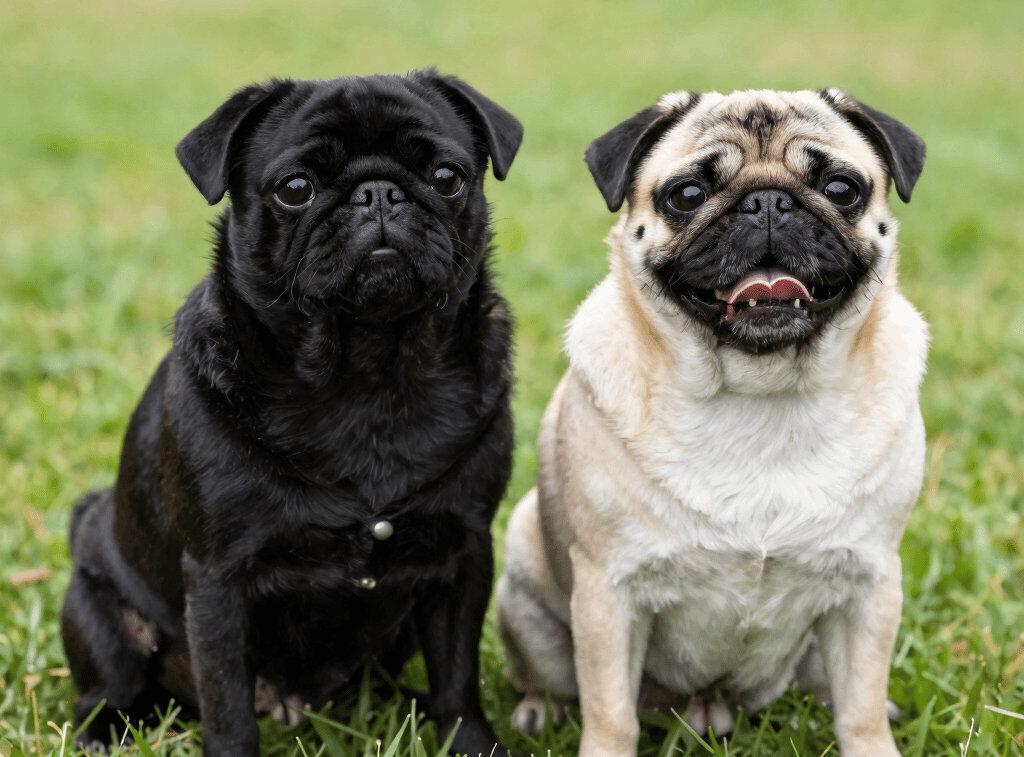
Pugs are known for their distinctive personalities, which can significantly influence their training experience. One of the most notable traits of pugs is their intelligence. While they are clever and can learn commands and tricks quickly, this intelligence can sometimes contribute to a stubborn streak. Pugs have a strong-willed nature, which means they may not always be eager to comply with commands at first. Understanding this aspect of their character is crucial for any pug owner looking to train their pet effectively.
In addition to their intelligence, pugs are renowned for their eagerness to please. This trait can be a powerful tool in training, as pugs often respond well to positive reinforcement. They thrive on praise, treats, and affection when they perform a desired behavior. Incorporating these rewards into a training routine can motivate your pug and enhance their willingness to learn. This means that creating a positive and encouraging environment will yield better results.
However, patience is essential when working with a pug’s personality. Their sometimes stubborn nature may lead to challenges during training sessions. It is crucial for owners to remain consistent and not give in to frustration. Setting realistic expectations is key; understanding that not every session will go smoothly can help maintain a zen attitude throughout the training process. Consistency in commands, timing, and rewards plays a vital role in reinforcing learned behaviors effectively.
In summary, comprehending the unique personality traits of pugs—such as their intelligence, stubbornness, and desire to please—sets the foundation for successful training. By employing patience and maintaining consistency, cognitive growth and obedience can flourish in pugs, resulting in a well-trained and happy companion.
Basic Training Commands
Establishing a strong foundation in training your pug begins with teaching them fundamental commands. These commands include 'sit,' 'stay,' and 'come,' and they are essential for fostering good behavior and ensuring safety. Training your pug to respond to these commands can be a rewarding experience for both you and your pet.
To teach your pug the command 'sit,' start by holding a treat in front of their nose. Slowly move the treat upwards, allowing their head to follow the treat. As their head rises, their bottom will naturally lower to the ground. As soon as your pug sits, give them the treat and praise them enthusiastically. This positive reinforcement will help them associate the action with a reward. Keep training sessions short—approximately 5 to 10 minutes—so your pug remains engaged and excited.
The command 'stay' is crucial for teaching your pug patience and self-control. Begin by asking your pug to sit. Once they are seated, hold your palm out towards them and firmly say 'stay.' Take a couple of steps back while maintaining eye contact. If your pug remains seated, return to them and reward them with a treat. Gradually increase the distance and duration of the stay command to reinforce their learning.
Teaching your pug to 'come' is vital for their safety. Start this command in a quiet environment with minimal distractions. Call your pug's name followed by the command ‘come’, and gently encourage them to approach you using a treat as motivation. When they reach you, offer praise and a reward. This technique encourages your pug to associate coming to you positively. Ensure that sessions remain cheerful and without frustration, promoting a trusting bond between you and your pug.
Creating a Consistent Training Routine
Establishing a consistent training routine is crucial for effective pug training. Dogs, including pugs, thrive on predictability and structure. When you create a regular training schedule, it helps your pug understand what is expected of them during training sessions. This not only eases the learning process but can also enhance the bond between you and your pet.
To achieve a successful routine, it is important to select specific times of the day for training. Whether it's in the morning, afternoon, or evening, try to keep these periods consistent. Consistency in timing reinforces their learning and shows your pug that training is an important aspect of their daily life. Additionally, aim for short training sessions, ideally lasting between 5 to 10 minutes, to keep your pug engaged and prevent them from becoming overwhelmed.
Using the same commands and training methods consistently will also yield positive results. For instance, if you choose to use a specific command for sitting, ensure that you always use that same command during training and reinforce it throughout their daily interactions. This approach minimizes confusion for your pug, making the learning experience smoother and more effective. Additionally, reinforcing commands with positive actions, such as treats or praise, can motivate your pug to adhere to the training more willingly.
This consistent approach not only accelerates the learning process but also encourages your pug to trust your guidance. Training should be an enjoyable experience, and a structured routine allows for progress in a positive and engaging manner. By creating a consistent training routine, you set the stage for a well-behaved, responsive pug that can learn new skills efficiently.
Positive Reinforcement Strategies
When it comes to training your pug, positive reinforcement strategies are among the most effective methods available. This approach hinges on rewarding desired behaviors rather than punishing undesirable ones, creating a more enjoyable and productive learning environment. The key benefits of using positive reinforcement include fostering a stronger bond between you and your pug, enhancing their willingness to learn, and significantly reducing anxiety that often accompanies harsher training methods.
One of the most prevalent forms of positive reinforcement is the use of treats. Choosing small, tasty rewards enables your pug to remain motivated throughout the training session. It’s crucial to select high-value treats—such as small pieces of chicken or commercially available dog treats that your pug adores. Delivering the reward immediately after your pug performs the desired behavior makes the connection clear and immediate, reinforcing the action.
Praise and affection are equally powerful tools in the positive reinforcement toolkit. When your pug successfully executes a command or behavior, accompanying the treat with enthusiastic praise, such as saying "good boy" or "well done," enhances their experience. This verbal acknowledgment not only increases their happiness but solidifies their understanding of what behaviors are being rewarded.
Another integral aspect of positive reinforcement involves incorporating play into the training sessions. Pugs are highly social creatures that thrive on interaction. By turning training into a fun game, such as fetching a toy after successfully sitting, you create a more engaging environment. This method keeps your pug interested and eager to participate, making the training sessions more effective and enjoyable for both of you.
In conclusion, utilizing positive reinforcement strategies not only aids in the effective training of your pug but also cultivates a loving relationship that encourages lifelong learning and companionship.
The Importance of Socialization
Socialization is a fundamental aspect of training a pug, particularly during their formative months. Early exposure to a variety of environments, people, and other animals is essential for fostering a well-adjusted dog. Pugs are naturally sociable creatures, but without proper socialization, they can develop anxieties or behavioral problems, such as aggression toward strangers or fear of unfamiliar situations.
Introducing your pug to different settings can significantly aid in building their confidence. Whether it's visiting a local park, attending puppy classes, or simply taking strolls in busy neighborhoods, each interaction serves as an opportunity for your pug to learn how to navigate the world around them. It's crucial to ensure that these experiences are positive; unpleasant encounters can lead to lasting fear or anxiety, defeating the purpose of socialization.
Moreover, early socialization helps in teaching your pug how to interact with other dogs and pets. This exposure allows your pug to read social cues and respond appropriately, reducing the chances of aggressive or fearful reactions later in life. For example, meeting well-mannered dogs can instill healthy social behaviors, encouraging your pug to form friendships and enjoy playtime. Additionally, it can keep them mentally stimulated and engaged, contributing to their overall happiness.
In summary, socialization is not merely a training tool but a significant contributor to your pug's lifelong well-being. A well-socialized pug is more likely to be confident, friendly, and adaptable, making them a joy to live with. By investing time in your pug's early social experiences, you can help ensure they grow into a well-rounded, affectionate companion.
Common Training Challenges and Solutions
Pugs are known for their affectionate and playful nature, but they can also present specific challenges during the training process. One of the most common issues that pug owners encounter is the dog's stubbornness. While training sessions are essential for teaching obedience, pugs can sometimes exhibit a reluctance to comply with commands. This inherent stubbornness may stem from their strong-willed personality, making it crucial for owners to adopt patient and consistent training methods.
Another significant challenge is distractions. Pugs are curious dogs that enjoy exploring their environment. When training them, they can easily become distracted by sights, sounds, or even the presence of other animals. As a result, maintaining their focus on the training session can be difficult, especially in stimulating environments. A practical solution to this issue is to conduct training in a quiet, controlled setting initially and gradually introduce distractions as the dog's focus improves.
To combat stubbornness, it is beneficial to use positive reinforcement techniques, such as treats or praise, which create a rewarding experience for the pug. This method encourages the dog to associate training with positive outcomes, fostering a willing attitude. Moreover, breaking down commands into smaller, manageable steps enables owners to celebrate small victories, which can boost the dog's confidence during training.
Establishing a consistent routine also plays a vital role in overcoming training challenges with pugs. Regular exercise and mental stimulation can reduce stubborn behavior, as a tired dog is generally more receptive to training. Ultimately, creating a positive training environment, characterized by patience and enthusiasm, will help pug owners effectively address common challenges while nurturing a strong bond with their four-legged companions.
Making Training a Fun Experience
Creating a positive training environment is essential for both the pug and the owner. To make training enjoyable, incorporate various interactive games and activities that not only teach commands but also promote bonding. Engage your pug with activities that spark their natural instincts, such as fetch, hide and seek, or agility courses. These games not only enhance your dog’s physical capabilities but also reinforce obedience in a fun way.
One effective method to incorporate fun into training is through the use of treats as rewards. Using small, specially chosen treats can incentivize your pug to complete training tasks promptly. Dogs thrive on positive reinforcement, and offering a treat for a job well done can boost their motivation significantly. Be consistent in your rewards, as this helps the pug associate the training behavior with something positive.
In addition to treats, consider using toys for motivation. Many pugs enjoy playing with their toys, so incorporating them into training routines can further engage your pet. For instance, use a toy to encourage your pug to come when called or to perform specific tricks. This not only makes training sessions lively and full of energy but also fosters a deeper bond as your pug views you as a source of fun and rewards.
Furthermore, remember that sessions should be kept short and enjoyable. Pugs, like many dogs, have limited attention spans. Therefore, 5 to 10-minute training intervals can be most effective. Conclude each session with positive reinforcement and plenty of affection, reinforcing that training is a shared experience. By consistently providing a healthy mix of fun, rewards, and affection, you will create a productive training atmosphere that solidifies your relationship with your pug, ensuring they look forward to each session.