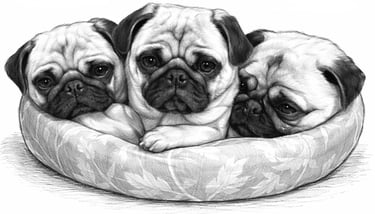
Essential Health Solutions for Pugs: A Guide to Their Wellbeing
5/1/20267 min read
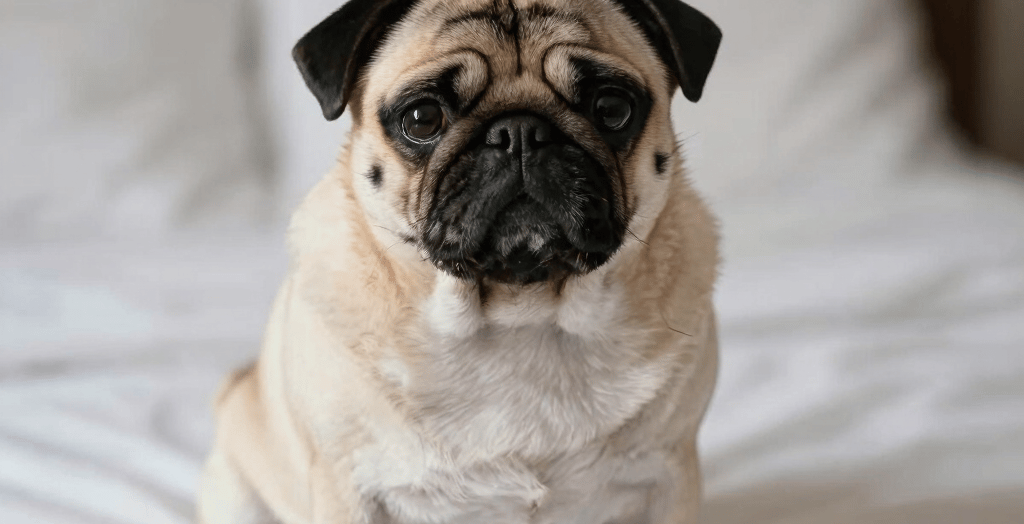

Understanding the Health Challenges of Pugs
Pugs are a beloved breed known for their charming personalities and distinct physical features. However, their unique characteristics predispose them to various health challenges, necessitating a comprehensive understanding of their wellbeing. This section delves into some of the most prevalent health issues that affect pugs, including respiratory problems, obesity, and skin conditions.
One of the most significant health concerns for pugs is their respiratory difficulties, which are often attributed to their brachycephalic structure. The short snouts of pugs can lead to a condition known as brachycephalic obstructive airway syndrome (BOAS). This syndrome manifests as labored breathing, snoring, and in severe cases, can jeopardize their ability to engage in physical activities. Regular veterinary check-ups can help identify respiratory problems early and allow for timely interventions.
Obesity is another substantial issue among pugs, largely stemming from their love for food and relatively low activity levels. Pugs have a tendency to overeat and can quickly gain weight, which exacerbates existing health problems, including joint pain and respiratory issues. Owners must monitor their pug’s diet closely, ensuring that they maintain a healthy weight through controlled feeding and regular exercise.
Moreover, skin conditions are prevalent in pugs due to their skin folds, which can trap moisture and become breeding grounds for bacteria and fungi. Conditions such as pyoderma and dermatitis can arise, often requiring specialized treatment. Regular grooming and skin inspections can help mitigate these risks, ensuring that any irritations are addressed promptly.
In conclusion, awareness of these health challenges is crucial for pug owners. By recognizing the predisposition of pugs to respiratory issues, obesity, and skin conditions, owners can take proactive steps to enhance their dog’s quality of life and longevity through preventive care and responsible ownership practices.
Preventive Measures for Pug Health
Ensuring the health and wellbeing of a pug begins with a proactive approach that encompasses various aspects of their lifestyle. One of the fundamental strategies involves maintaining a proper diet. Pugs are prone to obesity, which can exacerbate health issues like respiratory problems and joint pain. Therefore, it's essential to provide a balanced diet rich in nutrients tailored to their specific age, weight, and activity level. Consulting with a veterinarian can help identify the best dietary plan for your pug, considering their individual health needs.
In addition to diet, regular exercise is vital in keeping pugs healthy. While they are not as energetic as other breeds, daily walks and indoor playtime can significantly contribute to their physical well-being. Exercise helps maintain a healthy weight, supports cardiovascular health, and keeps their muscles toned. It is crucial to monitor their physical exertion, particularly considering their brachycephalic (flat-faced) nature, which can lead to breathing difficulties during strenuous activities.
Weight management is a critical element of a pug’s health. Regular weigh-ins can help owners track their pug's weight and make necessary adjustments to their diet and exercise regimen. Overweight pugs may experience heightened risks of heat-related illnesses, especially during hot weather due to their compromised ability to regulate temperature. Adequate hydration and providing a cool environment are essential preventive measures to combat overheating.
Furthermore, being vigilant about potential signs of distress or discomfort in pugs is imperative. Their unique anatomical structure can lead to various health issues, including breathing difficulties. Owners should seek immediate veterinary care if they observe symptoms like excessive panting, lethargy, or change in eating habits. By implementing these preventive measures, pug owners can significantly enhance their pets' quality of life and longevity.
The Importance of Regular Veterinary Check-Ups
Regular veterinary check-ups are a cornerstone of maintaining the health and wellbeing of pugs. Given their unique anatomy and predisposition to certain health issues, such as eye conditions and joint problems, veterinary visits serve not only as an opportunity for preventive care but also for early detection of potential health concerns. These routine examinations can catch issues before they escalate into serious problems requiring more aggressive treatment.
During a typical veterinary visit, a veterinarian will perform a comprehensive examination, which may include checking the pug's weight, inspecting their coat and skin, and assessing their eyes and ears. Special attention is often paid to the pug's respiratory system and joints due to their brachycephalic nature, which makes them susceptible to breathing difficulties and orthopedic issues. Such thorough evaluations allow for early identification of conditions like hip dysplasia or patellar luxation, as well as eye disorders such as progressive retinal atrophy.
Furthermore, these visits provide an opportunity for vaccinations, parasite control, and general health advice. Veterinarians can guide pug owners on nutrition, exercise, and other aspects of care, all crucial for promoting a healthy lifestyle. Regular check-ups also allow owners to inject any emerging concerns regarding their pet's behavior or habits, enabling a proactive approach to their health.
In terms of frequency, it is generally recommended that pugs have a veterinary check-up at least once a year, although older or more vulnerable individuals may need more frequent visits. Overall, these check-ups play a vital role in managing and mitigating health problems, ensuring that pugs enjoy a long and fulfilling life.
Daily Care Routines for Pugs
Ensuring the well-being of your pug requires a consistent daily care routine, which encompasses a variety of essential tasks. Among the most vital aspects of caring for a pug is maintaining their facial folds. These folds can be prone to accumulate dirt and moisture, which may lead to skin infections or irritation. It is important to regularly clean these areas with a soft, damp cloth, taking care to dry them gently afterward to prevent any further moisture buildup.
Moreover, monitoring your pug's breathing is crucial, especially during exercise. Pugs are brachycephalic, meaning they have short muzzles that can lead to breathing difficulties. Regularly observe your pug while they engage in physical activities; if they show signs of excessive panting, coughing, or lethargy, it is advisable to address these issues promptly. Limit strenuous exercise to cooler parts of the day, and always ensure that your pug has easy access to fresh water.
A balanced diet is another cornerstone of daily care for pugs. Pugs are prone to obesity, which can exacerbate existing health conditions such as hip dysplasia and respiratory problems. Therefore, it is essential to provide a well-rounded diet that generally includes high-quality dog food, measured portions, and treats in moderation. Consulting your veterinarian for personalized dietary recommendations can also significantly enhance your pug's overall health.
Finally, regular grooming and dental care should not be overlooked in the daily care routine. Pugs benefit from routine brushing to reduce shedding and maintain coat health. Additionally, dental hygiene is critical; use dog-safe toothpaste and consider dental chews to help maintain their oral health. In summary, by adopting these daily care routines, pug owners can significantly reduce health risks and promote a long, happy life for their beloved pets.
Recognizing Symptoms and Common Health Issues
Pugs are charming companions but are also prone to various health issues. Understanding the symptoms of these conditions is essential for owners to ensure timely intervention. One prevalent issue among pugs is respiratory difficulty, notably due to their brachycephalic (short-nosed) structure. Signs of breathing troubles may include excessive snoring, difficulty in breathing during exercise, or noticeable gasping for air. If these symptoms are observed, it is important to consult a veterinarian, as timely management can prevent serious complications.
Skin infections are another common concern for pug owners. These infections often stem from allergies or irritants and manifest symptoms such as scratching, redness, or unusual odor. Observing lesions or flaky skin can also indicate a dermatological issue. Pugs with skin infections may require veterinary assessment to determine the underlying cause and appropriate treatment.
Joint issues, particularly hip and elbow dysplasia, are also frequent among pugs. Symptoms may include limping, difficulty in rising, or a reluctance to engage in physical activity. These signs should not be overlooked as early detection can significantly improve the quality of life for your pug. Regular assessments from your veterinarian, alongside knowledgeable monitoring of your pug's mobility, are crucial strategies for identifying joint problems early.
Recognizing these early warning signs in your pug’s health is vital. Prompt action not only enhances the likelihood of successful treatment but also helps maintain an overall sense of wellbeing for your furry friend. Being observant and proactive about your pet’s health will contribute positively to their longevity and happiness.
Treatment and Management of Pug Health Problems
Pugs are prone to a range of health issues due to their unique physical characteristics, including brachycephalic airway syndrome, hip dysplasia, and skin fold dermatitis. Effective treatment and management of these conditions are essential for ensuring the wellbeing of pugs. Adhering to a veterinarian's recommendations is paramount in addressing these health challenges.
One common ailment among pugs is respiratory distress stemming from their short snouts. It is crucial to monitor their breathing, especially during physical exertion. In mild cases, medications that reduce inflammation in the airways may be prescribed. In more severe cases, surgical interventions may be necessary to enhance airflow and reduce breathing complications. Additionally, weight management plays a vital role, as excess weight can exacerbate respiratory issues.
Hip dysplasia is another prevalent problem that can affect pugs as they age. Treatment for this condition typically starts with lifestyle modifications, such as weight control and low-impact exercise to reduce strain on the joints. Pain management can be facilitated through non-steroidal anti-inflammatory drugs (NSAIDs) or supplements that support joint health. In cases where the dog experiences significant discomfort, more invasive surgical options might be considered.
Skin fold dermatitis is commonly seen in pugs due to their facial wrinkles. Maintaining proper hygiene is key; regular cleaning and drying of these folds can help prevent infections. In persistent cases, topical or systemic antibiotics might be necessary. Furthermore, dietary changes may be prescribed to ensure skin health and overall wellbeing.
In all cases, following a veterinarian's advice is crucial for effective treatment and long-term management of pug health problems. Regular check-ups can aid in early detection and intervention, allowing for the best quality of life for these beloved companions.
Creating a Comfortable and Active Lifestyle for Your Pug
Fostering a healthy lifestyle for a pug involves a delicate balance of comfort and activity. Due to their distinctive physique and potential health concerns, it is crucial to create an environment that supports their physical needs while allowing them to engage in gentle activities. One of the most effective strategies is to establish a comfortable living space that caters to the pug’s tendencies for rest and relaxation. This can be achieved by designating a cozy area filled with soft bedding where your pug can relax. Additionally, temperature control is vital; pugs are susceptible to overheating due to their brachycephalic nature, so maintaining a comfortably cool habitat is essential.
While ensuring comfort, it is equally important to incorporate opportunities for physical engagement. Regular, moderate exercise is beneficial for pugs, as it helps maintain a healthy weight and improves overall well-being. Activities should be tailored to their energy levels and physical capabilities. Short, frequent walks, rather than long, strenuous hikes, are ideal for pugs. Playtime can involve low-impact games like fetching a soft toy or gentle tug-of-war, which fosters both physical movement and bonding time with their owners.
Beyond physical activities, mental stimulation plays a critical role in enhancing a pug’s quality of life. Interactive toys, puzzle feeders, or training sessions can keep them engaged and promote cognitive health. It is essential to monitor your pug during these activities to prevent overexertion and ensure that they do not get overly tired. Tuned in to their needs, owners can create a dynamic lifestyle that encourages a balance of rest and play, contributing significantly to the pug's longevity and happiness.