
Are Pugs Brachycephalic? Owner's Guide
Discover essential information about pugs and their brachycephalic nature. Learn what every pug owner needs to know about brachycephalic breeds and how to care for your furry friend.
5/10/20267 min read
Understanding Brachycephalic Breeds
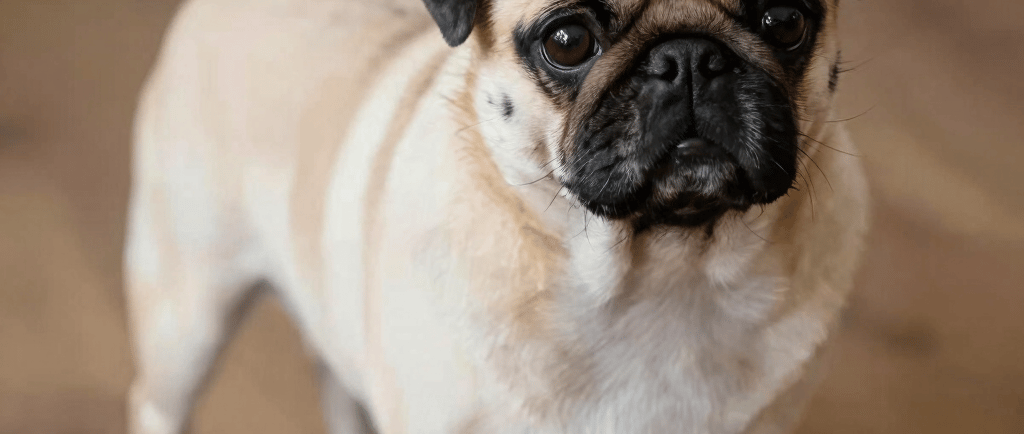
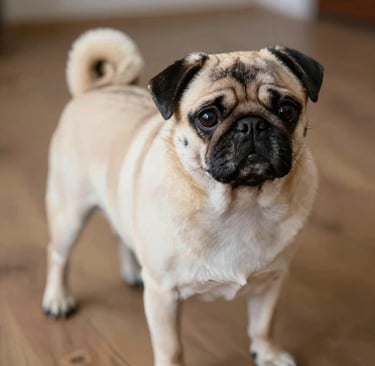
The term 'brachycephalic' is derived from Greek roots meaning 'short-headed.' This classification is used to describe dog breeds (and a few other animals) that possess shorter muzzles and a generally flattened skull shape. Brachycephalic dogs have distinctive short noses, wide heads, and prominent eyes, which contribute to their unique appearance. While the characteristic physical traits may be appealing to many prospective pet owners, it is crucial to understand the health complexities associated with brachycephalic breeds.
Genetically, brachycephalic traits are inherited, resulting from selective breeding practices aimed at achieving specific aesthetic qualities. This intentional breeding has led to the rise of several popular breeds characterized by their short muzzles. Some well-known brachycephalic breeds include Pugs, Bulldogs, Boxers, and Shih Tzus. While these breeds are beloved for their distinctive looks and often charming personalities, they can be predisposed to various health challenges due to their anatomical structure.
Health issues in brachycephalic dogs are primarily associated with respiratory problems due to their compressed airways. The shorter nasal passages and elongated soft palates can lead to obstructive airway disease, resulting in difficulty breathing, especially in hotter climates or during vigorous exercise. Additionally, these breeds are more susceptible to dental problems because their shorter jaws may not adequately accommodate their teeth. Eye issues may also arise given the protrusion of the eyes in some brachycephalic breeds, rendering them vulnerable to injuries and conditions such as corneal ulcers.
Being an owner of a brachycephalic dog necessitates an understanding of these potential health risks. Regular veterinary check-ups and immediate attention to any distress signs are imperative in ensuring their overall well-being. Awareness of their unique needs enables owners to better care for these beloved companions, ultimately enhancing their quality of life.
The Pug: A Brachycephalic Breed
The pug is a charming and affectionate dog that belongs to the brachycephalic breed category, characterized by its short muzzle and flattened face. This distinctive facial structure not only contributes to the pug's unique appearance but also defines many of the breed’s notable attributes. Pugs are believed to have originated in China, where they were revered as companions to Chinese emperors. Over time, they made their way to Europe in the 16th century and quickly captured the hearts of aristocrats and commoners alike, eventually solidifying their place as beloved pets.
Physical characteristics of pugs include a compact and muscular build, a curled tail, and deep-set, expressive eyes. Their coat is short, smooth, and comes in various colors such as fawn, black, and silver. These characteristics not only add to their endearing persona but also position them firmly within the category of brachycephalic breeds. The flat facial structure, while aesthetically pleasing to many, can pose health risks, which is critical knowledge for current and prospective pug owners.
The popularity of pugs can be attributed to their friendly and sociable demeanor. They are known for their playful nature and adaptability, making them suitable companions in various living environments, including apartments. Additionally, their relatively low exercise requirements and affectionate disposition make them desirable pets for individuals and families alike. As brachycephalic dogs, pugs require attentive care to avoid potential health complications associated with their unique anatomy, reinforcing the importance of responsible ownership.
Health Issues Associated with Brachycephalic Dogs
Brachycephalic dog breeds, including pugs, are characterized by their short skulls and flattened facial structures. This unique morphology often leads to a range of health complications that can significantly impact their quality of life. One of the primary concerns among these health issues is breathing difficulties. Due to their abbreviated airways, pugs are particularly prone to conditions such as brachycephalic obstructive airway syndrome (BOAS), which manifests through noisy breathing, snoring, and in severe cases, respiratory distress. Owners should be vigilant for signs of labored breathing, especially during physical activity or exposure to high temperatures.
In addition to respiratory concerns, brachycephalic pugs often face dental problems. The crowded arrangement of their teeth, resulting from their compact jaws, can lead to misalignment and an increased likelihood of periodontal disease. Regular dental care, including professional cleanings and at-home dental hygiene practices, becomes crucial in managing these risks.
Eye conditions are another significant concern for pugs and other brachycephalic breeds. Their prominent eyes are susceptible to a variety of issues, including corneal ulcers, dry eye syndrome, and proptosis, where the eye can protrude from the socket. These conditions may require surgical intervention or ongoing treatment to prevent complications and retain the health of the eyes.
Lastly, brachycephalic dogs are at higher risk for heat exhaustion owing to their compromised respiratory systems. Owners must be particularly cautious during hot weather, ensuring that their pugs do not overexert themselves and remain in a cool environment. Recognizing the signs of overheating, such as excessive panting and restlessness, is essential for safeguarding their health.
Recognizing Signs of Distress in Your Pug
Pugs, being a brachycephalic breed, often exhibit unique physical traits that can affect their health. Recognizing signs of distress in your pug is crucial for ensuring their well-being. Owners should remain vigilant for several symptoms that may indicate their pet is experiencing health issues related to their facial structure.
One of the primary signs to observe is labored breathing. Pugs may experience difficulty in breathing due to their short nasal passages and restricted airways. If you notice your pug is struggling to breathe, making grunting noises, or if their abdomen appears to be moving excessively while breathing, it is imperative to seek veterinary care promptly.
Snoring is another common occurrence in pugs, stemming from their brachycephalic traits. However, if the snoring becomes louder, more frequent, or is accompanied by choking or gagging sounds, it may suggest a more severe issue such as airway obstruction. Monitoring your pug during sleep can provide valuable insights into their respiratory health.
Increased panting is also a symptom that pug owners should take seriously. While panting can be a normal response to heat or physical exertion, excessive panting, particularly when the dog is at rest, may indicate distress or discomfort. If your pug seems restless or shows signs of anxiety along with heavy panting, this can signal a need for medical attention.
It is essential for pug owners to be familiar with these warning signs, as early detection and intervention can significantly enhance their dog's quality of life. Regular veterinary check-ups can help mitigate risks associated with brachycephalic traits, but owners must be proactive in monitoring their pet's health.
Caring for Your Brachycephalic Pug
Owning a brachycephalic pug comes with unique responsibilities aimed at ensuring their health and well-being. Understanding their distinctive needs is crucial, as these charming dogs can face several health challenges due to their short snouts and flat faces. To mitigate potential risks, consider the following best practices in fostering a healthy environment for your pug.
First and foremost, exercise is essential but should be approached with caution. Pugs are playful and energetic, but their breathing difficulties may limit strenuous activities. Engage your pug in short, moderate walks and provide ample opportunities for playtime. It is vital to monitor your pug during exercise, particularly in hot weather, to prevent overheating, which they are particularly susceptible to.
Diet plays a significant role in a pug's overall health. Opt for high-quality dog food that meets their nutritional requirements, focusing on a balanced ratio of proteins, fats, and carbohydrates. Pugs are prone to obesity, which can exacerbate breathing issues, so portion control is essential. Avoid feeding them table scraps, as certain human foods can be harmful to their health.
Environmental control is another key factor in caring for a brachycephalic pug. Maintain a comfortable temperature in your home, especially in warmer months. Using air conditioning or fans will help keep your pug cool and prevent respiratory distress. Ensuring proper ventilation in your living space is also beneficial in promoting better airflow.
Regular grooming is equally important. Pugs have a dense coat that requires routine brushing to minimize shedding and maintain skin health. Their facial wrinkles should be cleaned regularly to prevent infections and skin irritations. Additionally, scheduling regular veterinary check-ups is critical for early detection of potential health issues, ensuring your pug remains healthy and happy. By adhering to these best practices, you can provide a supportive environment for your beloved pug and enhance their quality of life.
Brachycephalic breeds, particularly pugs, have garnered significant attention due to their unique physical characteristics which can lead to serious health concerns. The importance of responsible breeding practices cannot be overstated in mitigating these issues. Breeders play a crucial role in ensuring the health and longevity of their litters and should prioritize the overall well-being of the puppies over aesthetic traits.
Prospective pug owners must seek out breeders who adhere to ethical standards. Responsible breeders should have a comprehensive understanding of the breed’s health issues, particularly those related to their flat faces and short noses. This includes diseases like Brachycephalic Obstructive Airway Syndrome (BOAS), which can severely affect a pug's quality of life. Ethical breeders will conduct health screenings for common genetic disorders and will provide documentation of these tests to potential owners.
When evaluating breeders, prospective owners should inquire about their breeding practices. A responsible breeder should not only prioritize the appearance of their dogs but also their temperament and health. Questions pertaining to the breeding pairs’ health backgrounds, frequency of breeding, and living conditions can provide insight into the breeder’s commitment to raising healthy puppies. Additionally, reputable breeders will offer socialization opportunities for the puppies and encourage owner involvement before adoption.
Choosing ethically bred puppies from a responsible breeder is paramount. Such breeders not only protect the breed’s integrity but also contribute to a better quality of life for the dogs. Pug owners should be aware that while the allure of a pug's appearance is undeniable, the responsibilities of pet ownership extend far beyond aesthetics, emphasizing the need for breeders dedicated to health, temperament, and ethical standards.
Living Happily with a Brachycephalic Pug
Your pug's happiness and well-being largely depend on the environment you create for them. As brachycephalic dogs, pugs have unique needs that require careful consideration in everyday life. One of the primary concerns for pug owners is ensuring their pet has a safe and comfortable home. It is essential to maintain a temperature-controlled environment, as pugs are particularly sensitive to heat due to their short snouts, which can lead to respiratory issues.
Creating a safe space in your home for your pug involves removing any potential hazards, such as sharp objects or fragile items that might be easily knocked over. Additionally, providing a comfortable bed in a quiet area where your pug can retreat will help them feel secure. Pugs also benefit from having access to fresh water at all times, especially since they can be prone to overheating.
Engaging your pug in enjoyable activities is vital for their physical and mental stimulation. Regular, moderate exercise is crucial for maintaining a healthy weight and preventing obesity, which can exacerbate the breathing challenges of brachycephalic breeds. Short walks or play sessions in a shaded area can be a delightful experience for both you and your pug, helping to build a stronger bond through shared activities.
Socialization is another key element in ensuring your pug lives happily. Introducing them to various environments, people, and other pets can enhance their confidence and help prevent behavioral issues. It's essential to positively reinforce good behaviors during these interactions to encourage a healthy, well-adjusted temperament.
In conclusion, living happily with a brachycephalic pug requires a commitment to creating a safe and engaging environment. By tailoring your approach to their specific needs, you can foster a strong bond with your pug while enhancing their quality of life.