
Bringing Home a Pug Puppy: Essential Tips
Discover everything you need to know before bringing home a pug puppy. Learn about pug puppy training, care tips, and how to ensure a smooth transition for your new furry friend.
5/14/20268 min read

Understanding the Pug Breed
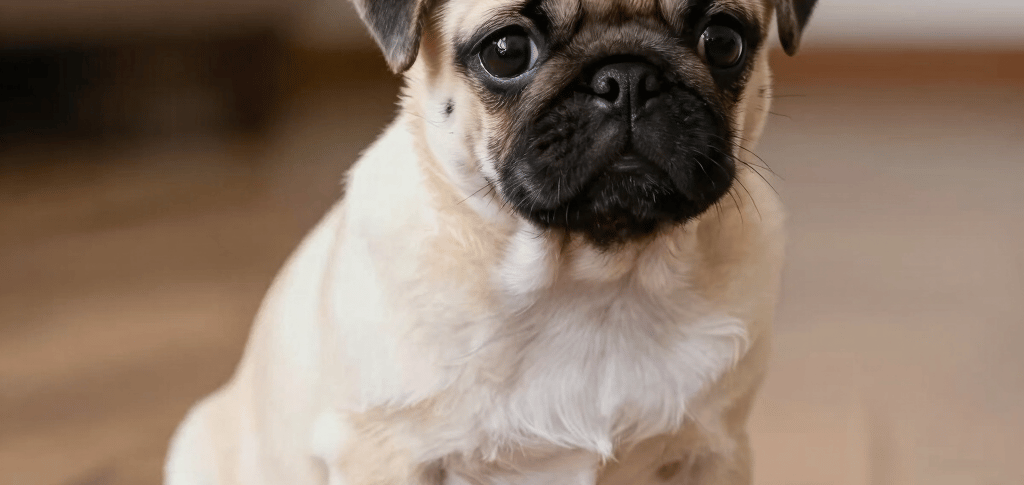
The pug is a small breed of dog that has captured the hearts of many pet owners around the world. Known for their affectionate demeanor and distinct physical features, pugs have a rich history that dates back to ancient China, where they were cherished by royalty and given as gifts to European noble families. This regal past is evident in their charming personalities, which draw people to them with an irresistible allure.
In terms of physical characteristics, pugs typically weigh between 14 to 18 pounds and stand about 10 to 14 inches tall at the shoulder. Their trademark features include a tightly curled tail, a wrinkled face, and a distinctive flat muzzle. The breed's short, smooth coat comes in various hues, including fawn, black, and silver, making them visually appealing to a broad audience. These robust dogs have a sturdy build that belies their playful nature, as they are well-regarded for their agility and liveliness.
Personality-wise, pugs are known for their friendly, sociable traits. They thrive on human interaction and possess a playful spirit that makes them delightful companions for families and individuals alike. Their affectionate nature means they often form strong bonds with their owners, seeking companionship and attention. Pugs are also known for their intelligence and adaptability; they can adjust to various living situations, whether it is a spacious home or a cozy apartment. This flexibility makes them a popular choice among dog lovers looking for a loving pet that fits into different lifestyles.
In essence, understanding the pug breed entails appreciating their history, physical characteristics, and endearing traits. Their playful, loving nature, combined with their compatibility with a variety of families, makes them an excellent choice for those considering bringing a new puppy into their home.
Preparing Your Home for a Pug Puppy
Bringing home a pug puppy is an exciting experience that requires thoughtful preparation to ensure a smooth transition for both you and your new companion. The first step in preparing your home is puppy-proofing the environment. This process involves removing or securing items that could be hazardous to your puppy, such as electrical cords, toxic plants, and small objects that could pose choking hazards. Additionally, it's crucial to block off areas where you do not want your puppy to wander, using baby gates if necessary.
Next, gathering essential supplies is vital for your pug's well-being. You will need food and water dishes that are appropriately sized, along with high-quality puppy food formulated specifically for small breeds. Pugs are known to have sensitive skin, so natural grooming tools, such as brushes and mild shampoo, should be included in your supply list. Don’t forget about the importance of toys; pick a variety that can stimulate your pug mentally and physically. Chew toys are particularly beneficial, as they can help with teething and promote good dental health.
Creating a comfortable space for your pug puppy is equally important. Designate a quiet area within your home as their sleeping quarters, equipped with a cozy bed or blanket that offers warmth and comfort. This will serve as a safe haven for your puppy, aiding in their adaptation to the new environment. Make sure that this space is free from drafts and away from foot traffic to help your puppy feel secure. By investing time in these preparatory steps, you will lay the foundation for a positive relationship with your pug, ensuring that they feel welcomed and safe in their new home.
Choosing the Right Breeder or Rescue Organization
Bringing home a pug puppy is a delightful experience, but it is essential to start with the right foundation by choosing a responsible breeder or rescue organization. The first step in this process is to conduct thorough research. Look for breeders or rescues with a good reputation, ensuring that they prioritize the health and welfare of their animals.
When considering a breeder, ask about their breeding practices. Responsible breeders should have health clearances for their breeding dogs, demonstrating they have been screened for common breed-specific health issues such as hip dysplasia and respiratory problems. Additionally, they should provide documentation of these clearances, which can instill confidence in the quality and health of the puppy.
Also, inquire about the living conditions of the puppies. A responsible breeder or rescue organization should maintain clean, safe environments where socialization and care are prioritized. Pay attention to how the puppies are treated and whether they are accustomed to human interaction, as these early experiences can significantly affect their personality and behavior.
Beyond purchasing from breeders, consider adopting from a rescue organization. Adoption not only provides a loving home for a pug in need but also helps combat the issue of overpopulation in animal shelters. Many rescues perform health checks and often place emphasis on responsible breeding and the overall well-being of their dogs. Plus, they may have a more forgiving adoption process, prioritizing a match that best suits the animal's needs and personality.
Ultimately, whether you choose to adopt or purchase from a breeder, ensure you are making an informed decision that prioritizes the health and happiness of your future pug puppy. By asking the right questions and looking for specific health clearances and living conditions, you can find a companion that will enrich your life for years to come.
Health and Care Considerations for Pugs
Pugs are a delightful breed, known for their charming personalities and distinctive appearance. However, potential pug owners should be aware of certain health concerns that commonly affect this breed. The brachycephalic nature of pugs often leads to breathing problems, specifically brachycephalic obstructive airway syndrome (BOAS). This condition can cause difficulty in breathing, particularly during exercise or in hot weather. Ensuring that your pug does not overexert itself and providing a cool, comfortable living environment are essential steps to mitigate these risks.
In addition to respiratory issues, pugs are also prone to various skin conditions, such as dermatitis and wrinkles' irritation. Regular cleaning of their facial folds is paramount for preventing infections, as moisture can accumulate in these areas. Be diligent about checking and cleaning the skin around your pug’s eyes and nose regularly, as this can help to avert further complications.
When it comes to their diet, opting for high-quality dog food specifically formulated for small breeds can promote optimal health. It is advisable to consult with a veterinarian for tailored feeding guidelines since pugs can be predisposed to obesity. Maintaining a healthy weight is crucial, as excess weight can exacerbate existing breathing and joint issues.
Moreover, exercise needs for a pug are moderate. Short, regular walks and playtime can help keep them active without overexerting their respiratory system. Additionally, routine veterinary check-ups are fundamental for assessing overall health and preventing potential issues. Vaccinations, dental care, and regular worming treatments should be part of every pug’s healthcare plan. By keeping these considerations in mind, owners can help ensure their pug lives a long and healthy life.
Training and Socialization Tips for Pug Puppies
Training and socialization are crucial components of raising a well-adjusted pug puppy. Pugs are known for their affectionate and playful nature, but without proper guidance, they can develop undesirable behaviors. To ensure your pug grows into a well-mannered adult, it is essential to incorporate basic obedience training from an early age. This should include teaching commands such as "sit," "stay," and "come." Positive reinforcement techniques, such as treats and praise, can greatly enhance your pug's learning experience.
In addition to basic commands, house training should be a top priority. Consistency is key when establishing a routine. Take your pug outside frequently, especially after meals and naps, and reward them for doing their business outside. This not only teaches them where it is appropriate to relieve themselves but also helps create a strong bond between you and your puppy.
Socialization plays a vital role in a pug’s development. Exposing your puppy to various environments, sounds, and experiences helps them to become more adaptable and confident as adults. Arrange playdates with other dogs, and introduce your pug to new people gently to help them become accustomed to different social settings. Enrolling your pug in a puppy training class can also facilitate structured socialization opportunities while allowing you to meet other pet owners.
Your pug’s health and happiness heavily rely on these early training and socialization efforts. The attention and time you invest in these areas will yield long-lasting benefits, promoting good behavior and a positive temperament. Remember, a well-trained pug is not only a joy to live with but also a well-adjusted companion for your family.
Understanding Pug Behavior and Temperament
Pugs are a breed known for their distinctive features and playful personalities. Understanding pug behavior and temperament is crucial for prospective owners to ensure a harmonious relationship. Pugs are often described as sociable, affectionate, and playful. They thrive on human interaction and are known to bond closely with their families.
Communication in pugs tends to be vocal, with a range of sounds such as barks, snorts, and grunts. These sounds serve as a way for pugs to express their feelings and needs. For example, a pug may bark to get attention or express excitement. Their unique vocalizations are not just adorable; they reflect a desire to engage with their owners. Furthermore, pugs often use body language to communicate. A wagging tail or a relaxed posture usually indicates a happy and content pug, while growling or raised fur may signal discomfort or anxiety.
Common behaviors associated with pugs include playfulness, curiosity, and a tendency to seek comfort. They are known for their somewhat clownish antics, often engaging in playful behaviors that entertain not just themselves but also their families. However, their playful nature can lead to minor behavioral issues, such as excessive barking or separation anxiety. It is essential to address these issues early on through consistent training and socialization.
Positive reinforcement is highly effective in managing undesirable behaviors in pugs. Training sessions that involve treats or praise can help instill good habits while making the learning process enjoyable. Pugs respond well to commands and can be taught various tricks, contributing to their socialization and mental stimulation. In summary, understanding the behavior and temperament of pugs can enrich the ownership experience, creating a loving and fulfilling companionship.
Lifestyle Changes and Commitments of Owning a Pug
Bringing home a pug puppy can be an exciting endeavor, but it entails significant lifestyle changes and commitments that potential owners must thoughtfully consider. First and foremost, pugs require a considerable investment of time. A pug thrives on social interaction and companionship, which means that the owner must be prepared to dedicate daily time for play, cuddling, and bonding activities. This breed often forms close attachments with its human companions, and prolonged periods alone can lead to anxiety and behavioral issues.
Training is another critical aspect of pug ownership that necessitates both time and energy. Pugs are intelligent but can be quite stubborn. Consistent training sessions, positive reinforcement, and patience are essential to instill good behaviors and obedience. Furthermore, without proper training, pugs may develop undesirable habits, making this commitment even more crucial in the initial months following their arrival.
Financial commitments also play a significant role in the decision to adopt a pug puppy. Potential owners should account for various expenses, including high-quality puppy food, routine veterinary visits, grooming, vaccinations, and pet insurance. Pugs are known to have certain health issues, such as breathing difficulties and skin conditions, which can lead to additional long-term medical expenses. It is vital to ensure that your budget is prepared for both the immediate and ongoing financial obligations associated with maintaining a healthy and happy pug.
Moreover, daily exercise is a necessary aspect of a pug's well-being. While they are not highly energetic dogs, pugs still need regular walks and playtime to maintain their physical and mental health. Owners must carve out time in their schedules to address these needs, ensuring their pug lives a balanced and fulfilling life.