
Do Pugs Get Along with Cats? Tips for Harmony
Discover effective tips for creating a peaceful household where do pugs get along with cats. Learn how to ensure harmony between your pets and enjoy a happy home.
5/10/20268 min read

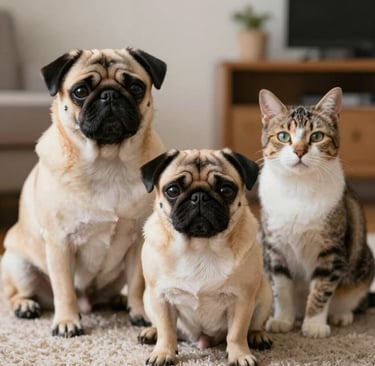
Understanding Pugs and Their Temperament
Pugs are a distinctive and charming breed known for their sociable nature and playful demeanor. These dogs possess a unique temperament characterized by their affectionate behavior, making them well-suited for family environments. Known as companion animals, pugs thrive on social interaction and companionship, which can significantly influence how they relate with other pets, including cats.
One notable trait of pugs is their friendly disposition. They generally exhibit a welcoming attitude towards new experiences and tend to be inquisitive about their surroundings. This friendliness can positively affect their interactions with cats, as pugs are likely to approach with a cheerful vibe, minimizing the threat perception that a cat may feel. Their playful nature often leads them to engage in spontaneous activities, which can encourage playful, friendly relationships between pugs and felines.
However, it’s essential to recognize that the individual personality of the pug is a crucial factor in their relationships with cats. While many pugs possess the innate ability to adapt to the presence of other pets, some may exhibit dominant behaviors due to a strong instinct to establish their place in the household hierarchy. This can sometimes create tension during interactions, especially if a cat perceives the pug's behavior as assertive. Understanding this dynamic is vital for facilitating a peaceful coexistence.
In essence, pugs typically exhibit a friendly and playful rapport with cats, influenced by their sociable disposition. Their innate characteristics can lead to harmonious relationships if introduced properly and monitored during interactions. Owners must ensure that both pets feel comfortable and secure within the shared space, thereby promoting a tranquil household atmosphere. This understanding serves as a foundation for nurturing the bond between pugs and cats.
Understanding Cats and Their Behavior Around Dogs
To foster a harmonious environment between pugs and cats, it is crucial to understand the behavior and instincts of felines. Cats possess innate traits that often influence their interactions with other pets, including dogs. One of the most notable characteristics of cats is their territorial nature. They often establish dominance over their immediate surroundings, which can make the introduction of a new pet, such as a pug, challenging.
When a cat feels its territory is being encroached upon, it may exhibit defensive behaviors. These responses can include hissing, swatting, or retreating to a safe hiding place. Additionally, cats are generally more independent than dogs. They may not respond to social cues in the same way, which can lead to misunderstandings during initial encounters with a pug.
Moreover, cats are sensitive to stress and can easily become anxious when their environment changes. The introduction of a boisterous pug may trigger feelings of unease in a cat, resulting in behaviors that may be perceived as unfriendly. As pugs are known for their playful and sometimes hyperactive nature, it is essential to monitor their interactions closely, especially in the early stages of their cohabitation.
To minimize stress, it is advisable to create a structured introduction process. This can include allowing the dog and cat to become accustomed to each other’s scents before any direct interaction occurs. Gradual exposure will help the cat feel secure and in control of its environment, making it more likely to accept the pug as part of the household. Establishing safe spaces for the cat where it can retreat when feeling overwhelmed will also be beneficial.
Understanding these core traits and behaviors of cats will aid pet owners in successfully introducing their pug to a cat. This careful management of interactions can foster a peaceful coexistence in homes with both pets.
Signs of Compatibility Between Pugs and Cats
Establishing a peaceful coexistence between pugs and cats can significantly enhance the harmony within a household. Certain signs of compatibility can indicate whether these two distinct species are likely to form a amicable relationship. Observing their behavior closely is essential in identifying these signals.
One of the primary indicators of compatibility is mutual curiosity. When a pug and a cat display a keen interest in each other, such as the pug approaching the cat with a wagging tail or the cat rubbing up against the pug, it suggests an inclination toward friendship. This curiosity often leads to playful interactions that serve as a foundation for a lasting bond.
Another telling sign is the willingness to share space. If both pets are comfortable being in close proximity without showing signs of stress or aggression, it bodes well for their relationship. For example, a pug lying next to a cat or a cat resting on a pug's back are positive behaviors signaling mutual acceptance. When both the pug and cat are relaxed in each other’s presence, it fosters an environment conducive to friendship.
Non-aggressive interactions further affirm the compatibility of pugs and cats. Signs such as playful pawing, gentle nibbles or sharing toys without one pet becoming overly dominant indicate a healthy dynamic. It is crucial to monitor their body language; if the pug exhibits a soft demeanor and the cat responds without fear, it suggests a friendly rapport is developing.
Through careful observation of these behaviors, pet owners can ascertain whether their pug and cat are likely to get along well. Establishing these connections is vital, as they contribute to the overall peaceful atmosphere of the household.
Strategies for Pugs and Cats
Introducing a pug to a cat requires a thoughtful approach to ensure a harmonious coexistence. Both animals typically have different temperaments, and their initial interactions can significantly influence their long-term relationship. The following strategies can help ease this transition in a safe and constructive manner.
First, it is essential to create a safe space for both pets. Before the introduction, allow the pug and the cat to become familiar with each other's scent by swapping bedding or toys between them. This tactic serves to reduce anxiety, as both animals will be less startled by the presence of the other. Gradually introducing their visual presence can also be helpful; begin by letting them see each other through a baby gate or a slightly ajar door. This method allows each pet to gauge responses while maintaining a secure distance.
Once they are comfortable with each other’s smell and sight, you can proceed with controlled introductions. During these early meetings, the pug should be on a leash while the cat can roam freely. Choose a calm environment free from distractions, as a peaceful setting will lessen potential stress. Monitor their body language closely—if one of the pets exhibits signs of fear or aggression, it is crucial to separate them immediately and try again at a later time.
Positive reinforcement is vital during these encounters. Reward both the pug and the cat with treats and praise when they display relaxed behavior toward each other. Gradually increase the length of their interactions as they become more accustomed to one another. Patience is the key; some pets may take longer to adjust than others.
By following these strategies, pug and cat owners can facilitate a smoother introduction process. A gradual, methodical approach will help diminish potential conflict and promote a peaceful cohabitation.
Creating a Safe and Comfortable Environment
Establishing a harmonious living arrangement for both pugs and cats requires careful planning and consideration. Each pet benefits significantly from having designated spaces within the home that cater to their individual needs. This practice not only fosters a sense of security but also minimizes the potential for conflict, ensuring that both animals can coexist peacefully.
For cats, it is essential to create safe retreats. Cats are naturally inclined to seek shelter and heights, so incorporating cat trees or shelves can offer them the vertical space they crave. Additionally, providing cozy hiding spots—such as covered beds or quiet corners—allows cats to retreat when they feel overwhelmed. It is beneficial to designate certain rooms as cat-only spaces, where they can roam, play, and relax without the presence of the pug.
On the other hand, pugs also require areas where they can explore without overwhelming their feline companions. Designating specific zones for the pug, equipped with their toys, bed, and food, can help establish a routine that encourages positive interactions. Moreover, ensuring that these spaces are separate from the cat’s areas will minimize the pug’s curiosity about the cat’s belongings, which can sometimes lead to misunderstandings or territorial disputes.
When introducing the pets, it is wise to use barriers such as baby gates during the initial encounters, allowing them to observe each other from a safe distance. This gradual exposure helps both pets acclimate and offers them the chance to adjust to each other’s presence without direct confrontation. Establishing these separate yet accessible environments not only enhances the overall comfort of both the pug and the cat but also cultivates a peaceful household atmosphere.
Monitoring Their Interactions
When introducing a pug to a cat, it is essential to closely monitor their initial interactions to ensure a harmonious relationship develops. Pugs, known for their playful nature, may exhibit enthusiasm that can be intimidating to a cat, especially if the feline is not accustomed to dogs. Supervision during these interactions helps to identify any signs of discomfort or aggression from either animal.
During playtime, observe their body language closely. A pug's wiggly, playful demeanor can often be mistaken for aggressive behavior by a cat. Look for signs of stress in the cat, such as hissing, swatting, or an attempt to escape. Conversely, if the pug becomes overly excited, you may notice increased barking or lunging, which can be overwhelming for the cat. It is vital to differentiate between playful behavior and aggression, as misinterpretation could lead to negative experiences for both pets.
Establishing a calm environment is crucial before allowing them to interact unchecked. Start by introducing them in a controlled manner, such as on a leash for the pug or with the cat in a safe space. Gradually increase their exposure to one another while keeping a watchful eye on their reactions. If any aggressive or fearful behavior arises, intervene by redirecting their attention with treats or toys, allowing them to take breaks and regain composure. Doing so helps to reinforce positive behaviors and encourages a sense of safety for both pets.
Once they seem comfortable in each other's presence, you can decrease supervision over time. However, always be alert to any changes in behavior that might indicate discomfort or tension. By monitoring their interactions, you can foster a household where both a pug and a cat coexist peacefully.
Long-term Tips for a Harmonious Household
Maintaining a peaceful coexistence between a pug and a cat requires ongoing strategies that promote harmony within the household. One of the fundamental aspects to consider is regular training for both pets. Training not only encourages positive behavior but also fosters a sense of respect between the animals. Sessions focusing on commands for each pet can help reinforce boundaries and expectations, which is crucial when introducing new behaviors or correcting unwanted ones.
Another important aspect is the equal distribution of attention to both the pug and the cat. It is essential to ensure that neither pet feels neglected or jealous, as feelings of insecurity can lead to territorial disputes or aggressive behaviors. Schedule playtime or bonding activities where both pets can participate; for example, interactive toys that engage both a pug's playful nature and a cat's hunting instincts can be beneficial.
Additionally, reinforcing positive interactions is vital for long-term peace in the household. Whenever your pug and cat demonstrate friendly behavior towards one another, it is important to acknowledge it with praise or treats. This helps create a positive association between the two animals, enhancing their relationship. Consider using clicker training or verbal praise when they are calm in each other's presence, reinforcing such behavior over time.
Furthermore, providing separate safe spaces for both animals can significantly reduce conflicts. Each pet should have designated areas where they can retreat for quiet time or rest without feeling threatened by the other. Additionally, regularly checking in with both pets, observing their interactions, and being proactive in addressing any signs of stress or discomfort will further contribute to a harmonious living environment.