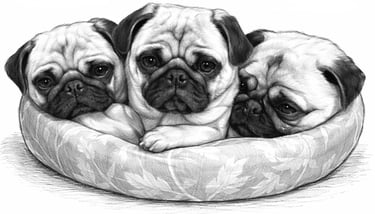
Pug Lifespan: Tips for a Longer, Healthier Life
Discover effective ways to enhance your pug's lifespan and ensure a healthier life for your furry friend. Learn valuable tips on how to help your dog live longer and thrive.
5/10/20268 min read


Understanding the Average Lifespan of Pugs
The average lifespan of pugs typically ranges between 12 to 15 years. This impressive longevity is noteworthy, especially when compared to many other dog breeds, which often experience shorter lifespans. Several factors contribute to the life expectancy of pugs, influencing not only how long they live but also their quality of life during those years.
One primary factor affecting pug longevity is genetics. Just like humans, the genetic makeup of a pug can heavily influence their susceptibility to certain health issues. To ensure a longer life for your pug, it is advisable to choose a reputable breeder who prioritizes health, thereby reducing the chances of hereditary conditions that may impact the lifespan of pugs.
Size also plays a significant role in the overall health of pugs. Generally, smaller breeds tend to live longer than larger breeds, and pugs fit into this category. Additionally, pugs are brachycephalic, meaning they have short snouts that can lead to breathing difficulties. This unique physical characteristic can lead to health challenges that may affect their lifespan if not monitored and managed properly.
Overall health maintenance is crucial for extending the life of pugs. Regular veterinary check-ups, a balanced diet, adequate exercise, and maintaining a healthy weight can significantly impact a pug's life expectancy. Owners should also be vigilant in recognizing early signs of potential health issues, such as irregular breathing or decreased energy levels, as these can help address concerns before they develop into serious problems.
Common Health Issues That Affect Pugs
Pugs are a beloved breed known for their charming demeanor and distinctive appearance; however, they are also prone to various health issues that can significantly impact their quality of life. Understanding these common health problems and their implications is crucial for pug owners who wish to help their pets maintain good health.
One of the most prevalent health issues affecting pugs is respiratory problems, which may arise due to their brachycephalic (flat-faced) structure. Brachycephalic obstructive airway syndrome (BOAS) can lead to difficulty breathing, snoring, and overheating. It is essential for pug owners to monitor their pets for any signs of distress during exercise, heat exposure, or general activity.
Another significant concern is obesity, which can exacerbate many health problems and shorten a pug's lifespan. Pugs are known for their appetites and love for food, making it vital for owners to establish proper feeding practices and engage in regular physical activity to help their pug maintain a healthy weight. Owners should be alert to indicators of obesity, such as difficulty in mobility or excessive panting.
Skin conditions are also common among pugs, including allergies or skin infections that can arise due to their skin folds. Routine cleaning of these areas is necessary to prevent irritation and infection. Owners should be vigilant for signs of scratching, redness, or unusual odors, as these can indicate potential skin health issues.
Lastly, eye disorders such as corneal ulcers and cataracts can affect pugs. Regular veterinary visits are essential for monitoring eye health and addressing any concerns promptly. Symptoms such as excessive tearing, squinting, or rubbing of the eyes should not be overlooked.
Early detection through regular veterinary check-ups can significantly improve outcomes for these health issues. By being proactive and observant, pug owners can ensure that their pets lead longer, healthier lives.
Importance of a Balanced Diet for Pugs
Nutrition plays a fundamental role in fostering the longevity and overall health of pugs. A balanced diet tailored to the unique needs of these small but sturdy dogs is essential for preventing health issues and enhancing their quality of life. To optimize a pug's lifespan, it is crucial to understand the components of a nutritious diet, portion control, and foods that should be avoided.
A well-balanced diet for pugs typically includes high-quality proteins, healthy fats, fibers, vitamins, and minerals. Protein is critical for muscle maintenance and repair, while carbohydrates serve as a vital energy source. Incorporating a mix of animal and plant-based proteins can provide the essential amino acids necessary for your pet's health. Healthy fats, such as those found in fish oil or flaxseed, support skin and coat health, which is particularly important for pugs given their unique skin folds.
In terms of portion control, it is essential to monitor your pug's caloric intake to prevent obesity, a common concern among this breed. Consulting with a veterinarian can help you determine the appropriate serving sizes based on your pug's age, weight, and activity level. Regular feeding schedules should be established, and treats should be incorporated judiciously to maintain overall caloric balance.
Furthermore, certain foods can be detrimental to a pug's health and should be avoided altogether. Foods such as chocolate, grapes, onions, and garlic are toxic to dogs and can lead to serious health complications. Additionally, high-calorie and processed human foods should be given sparingly, as they may contribute to obesity and related health problems like diabetes and heart disease.
In conclusion, prioritizing a balanced diet customized for pugs not only aids in prolonging their lifespan but also contributes to their overall well-being. By understanding the key components of a nutritious diet, practicing portion control, and avoiding harmful foods, pug owners can significantly enhance their pet's health and longevity.
Exercise Needs and Lifestyle for Pugs
Pugs, known for their distinctive appearance and charming personalities, have specific exercise needs that are pivotal for their overall health and longevity. Regular physical activity is not only crucial for maintaining a healthy weight but also plays a significant role in preventing obesity-related issues, which are common in this breed. Pugs are prone to certain health conditions, and engaging them in consistent exercise can mitigate some risks and enhance their quality of life.
Generally, pugs require moderate exercise routines. This can include daily walks lasting 20 to 30 minutes, which provide them with both physical stimulation and mental engagement. Owners can also introduce short play sessions, focusing on activities such as fetching a soft toy or gentle tug-of-war games. These activities can be crafted to fit the pug's individual energy levels—keeping in mind that while pugs are typically playful, they can tire easily due to their brachycephalic nature. Therefore, short bursts of activity are preferable.
In addition to structured activities, it is beneficial to incorporate opportunities for exploration. Allowing pugs to sniff and engage with their environment can encourage mental stimulation, which is equally important. Furthermore, swimming can serve as a low-impact exercise option that is gentle on their joints while still providing an effective workout. Regular interaction with other dogs can also foster a sense of socialization and encourage active play.
Although exercise is essential, pug owners must exercise caution during hot weather, as pugs can struggle with heat regulation. Early morning or late evening walks are ideal during warm months, ensuring their health and safety remain a priority. Balancing exercise with proper rest and hydration will help to enhance their lifespan and maintain a healthier lifestyle.
Routine Veterinary Care and Preventative Measures
Routine veterinary care plays a crucial role in ensuring the longevity and health of your pug. Regular visits to the veterinarian not only facilitate early detection of potential health issues but also allow for timely vaccinations and health screenings. The American Veterinary Medical Association emphasizes the necessity of annual check-ups for dogs, which become increasingly important as they age. These appointments provide an opportunity for veterinarians to assess your pug’s overall health, including weight management, skin conditions, and signs of dental disease.
Vaccinations are essential in protecting your pug from various infectious diseases that can severely impact their quality of life. Core vaccinations, such as those for rabies, distemper, and parvovirus, are foundational to your pet's health. Non-core vaccines are also available and can be recommended based on your pug’s lifestyle, such as exposure to other animals or travel. It is vital to stay up-to-date on vaccination schedules to ensure robust immunity.
Dental health is another critical aspect of preventative care in pugs. Their unique facial structure makes them particularly susceptible to dental issues, such as periodontal disease. Regular dental check-ups and cleaning can prevent these issues and contribute to overall health. You can assist in maintaining oral hygiene at home by brushing your pug's teeth and providing dental chews, which can help mitigate plaque buildup.
Beyond check-ups and vaccines, regular health screenings, especially for older pugs, help monitor for common conditions, such as obesity, skin allergies, and heart disease. By addressing health concerns proactively and following a schedule of routine veterinary care, you enhance your pug's chances of leading a longer, healthier, and happier life.
Creating a Safe and Comfortable Living Environment for Your Pug
Ensuring a safe and comfortable living environment for your pug is essential for their overall health and well-being. Pugs, known for their affectionate and sociable nature, thrive in a home that caters to their specific needs. First, temperature regulation plays a crucial role in maintaining your pug’s comfort. Their short snouts make them susceptible to overheating, particularly in warm weather. Maintaining a moderate indoor temperature, ideally between 68°F to 72°F, can help to prevent overheating. Additionally, having a fan or air conditioning can provide relief during hotter months.
When designing a living space for your pug, it is important to provide cozy sleeping areas that accommodate their size. A comfortable dog bed, preferably orthopedic, will not only support their joints but also offer a sense of security. Place the bed in a quiet corner, away from foot traffic, where your pug can retreat when they need rest. Consider providing a blanket or familiar item to help them feel more at ease.
Furthermore, safety measures are paramount to protect your pug from common household hazards. Ensure that small objects, such as coins and batteries, are kept out of reach to avoid choking hazards. Install baby gates if necessary to restrict access to stairs or areas that could pose a danger. Be mindful of toxic plants and chemicals that can be harmful if ingested. Keeping cleaning supplies locked away ensures that your pug remains safe from ingestion of harmful substances.
In conclusion, creating a nurturing environment tailored to the specific needs of your pug can significantly enhance their quality of life, contributing to a longer, healthier lifespan. By addressing temperature, comfort, and safety, you place your pug in the best position to thrive within your home.
Mental Stimulation and Socialization for Pugs
Ensuring the mental well-being of your pug is essential for improving their overall health and longevity. Engaging activities that stimulate your dog's mind can prevent boredom, reduce anxiety, and enhance cognitive function. Pugs are intelligent, curious animals that require continuous mental engagement. Warm-up activities such as interactive toys, puzzle feeders, and obedience training can effectively challenge their brain while providing entertainment.
Incorporating varied forms of play is vital. Activities like hide and seek or teaching your pug new tricks not only stimulate their intellect but also strengthen the bond between the pet and the owner. Frequent changes to their routine help prevent monotony, encouraging your pug to think critically and engage more actively in their surroundings. This mental stimulation contributes to their overall happiness and reduces behavioral issues.
Equally important is the socialization aspect of your pug's life. Introducing them to other dogs and humans is beneficial for building their confidence and reducing fear of unfamiliar situations. Regular playdates with other friendly dogs can help your pug develop essential social skills, making them more adaptable and resilient. Additionally, exposing your pug to various environments and experiences allows them to learn how to interact appropriately in different settings. This social exposure is critical not only for their emotional health but also enhances their adaptability as they age.
In conclusion, providing consistent mental stimulation and ample socialization opportunities for your pug is instrumental in fostering a happier, healthier life. By engaging their minds and encouraging safe interactions with others, you can significantly contribute to your pug's longevity and well-being.