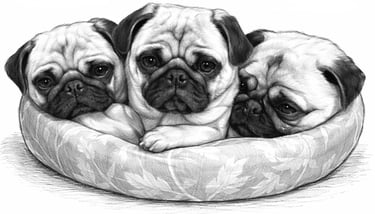
Ultimate Daily Routine for a Healthy Pug
Discover the ultimate daily routine for dogs that ensures your pug stays healthy and happy. Learn essential tips and tricks for a joyful and healthy pug lifestyle, keeping your furry friend active and engaged every day.
5/14/20267 min read


Understanding the Unique Needs of Pugs
Pugs, a breed known for their distinctive physical characteristics, possess unique health and care requirements that necessitate close attention from their owners. One of the most prominent traits of pugs is their brachycephalic facial structure, which can lead to various breathing difficulties. These challenges make it vital to ensure that pugs are not exposed to excessive heat or strenuous exercise, which can exacerbate respiratory problems. Owners should observe their pug’s breathing patterns and be vigilant for signs of distress during activity.
In terms of exercise, pugs require a balanced routine that caters to their energy levels while also considering their physical limitations. Daily walks and moderate playtime in a controlled environment can help maintain their physical fitness without overexerting them. This breed, while playful, can tire quickly due to their short snouts. Thus, it’s essential to monitor their exertion levels and provide plenty of breaks when engaged in physical activity.
Dietary considerations are equally important when it comes to the well-being of pugs. This breed is prone to obesity, which can lead to a plethora of health issues such as joint problems and respiratory difficulties. It is crucial to provide a balanced diet that is specifically formulated for pugs, emphasizing high-quality ingredients and appropriate portion sizes. Additionally, being aware of their tendency to beg for treats or table scraps is important in maintaining their health.
Understanding these unique traits of pugs is essential for crafting a supportive daily routine that promotes their overall health and happiness. By addressing their specific needs in terms of exercise, diet, and environmental conditions, owners can create a nurturing atmosphere that allows their pug to flourish.
Creating a Balanced Diet Plan for Your Pug
Providing a balanced diet for your pug is essential to maintain their health and happiness. Pugs have specific nutritional needs that should be met to ensure they thrive. The ideal diet for these charming dogs typically includes high-quality proteins, healthy fats, carbohydrates, and a variety of fruits and vegetables.
When selecting food for your pug, opt for brands that list real meat as the primary ingredient. Dry kibble is an excellent choice as it helps in dental health, but incorporating wet food occasionally can enhance their meal experience and hydration. Aim for a diet that consists of around 18-25% protein and 8-15% fat, allowing for balanced energy levels without contributing to obesity.
Portion sizes are equally important in a balanced diet. Generally, an adult pug requires about 1/2 to 1 cup of food daily, divided into two meals. Feeding them twice a day helps regulate their digestive system and maintain stable energy levels throughout the day. Adjust portion sizes based on their activity level, age, and overall health. It is advisable to observe your pug’s body condition and adjust portions accordingly to prevent excessive weight gain.
Additionally, always provide fresh water for your pug. Hydration is vital to support their metabolic functions and overall well-being. It is important to avoid giving them human foods that are toxic to dogs, such as chocolate, grapes, and onions. Monitoring canine-specific dietary restrictions, such as food allergies, ensures your pug receives the nutrition they need without adverse side effects.
By incorporating these guidelines, you can create a balanced diet plan that enhances your pug’s health and contributes to a long, happy life.
Establishing a Daily Exercise Routine
Pugs are charming and affectionate companions that bring joy to many households. However, to maintain their health and happiness, it is crucial to establish a suitable daily exercise routine tailored to their unique needs. Despite their compact size and seemingly low energy levels, pugs require regular physical activity to prevent obesity and ensure overall wellbeing.
Generally, pugs should engage in about 30 minutes of moderate exercise each day. This can be broken down into two or more sessions to accommodate their limited stamina. Activities should be designed to be both stimulating and enjoyable for them, promoting a healthy lifestyle without overexertion. Options such as leisurely walks, gentle jogs, or interactive play sessions are ideal. It is important to monitor their breathing, particularly during warmer weather, as pugs are prone to overheating due to their brachycephalic nature.
Incorporating varied activities can also help keep a pug physically and mentally engaged. Engaging in games like fetch or hide-and-seek can enhance their physical fitness while providing much-needed mental stimulation. Additionally, using interactive toys or puzzles can encourage exercise through play, turning their workout into a fun experience. Furthermore, regular walks not only offer physical exercise but also serve as an opportunity for essential socialization, helping them to become well-rounded pets.
It is crucial to strike a balance between meeting their exercise needs while respecting their natural limitations. Overdoing it can lead to discomfort, fatigue, or even health issues. Hence, it is advisable to adjust the intensity and duration of activities based on your pug’s age, health status, and individual preferences. Establishing this daily exercise routine not only keeps your pug fit but also fosters a stronger bond between owner and pet.
Routine Health Care and Regular Vet Check-ups
Maintaining the health and happiness of your pug requires a thorough approach to routine health care. Regular veterinary check-ups play a crucial role in monitoring your pet’s overall wellbeing. A qualified veterinarian can help identify any potential issues early, ensuring that your pug remains in good health.
One of the fundamental aspects of health care for pugs is staying current on vaccinations. Vaccinations protect against various infectious diseases that can affect your pug's health. It is vital to follow a vaccination schedule as recommended by your veterinarian to ensure maximum protection. Moreover, keeping your dog vaccinated contributes to community health by minimizing the spread of contagious diseases.
Another significant aspect of routine health care is parasite control. Pugs are susceptible to both internal parasites, such as heartworms and intestinal worms, and external parasites like fleas and ticks. Your veterinarian can recommend appropriate preventive treatments, which should be integrated into your pug's daily routine. Regular deworming and flea control are essential, especially if your dog spends time outdoors.
Additionally, dental care is often overlooked yet equally important. Pugs are prone to dental issues due to their unique facial structure. Neglecting dental hygiene can lead to periodontal disease and other health problems. Daily tooth brushing, along with the provision of dental chews or toys, can help maintain your pug’s oral health. Annual veterinary dental cleanings are also advisable to address plaque and tartar that regular brushing may not eliminate.
In conclusion, prioritizing regular veterinary visits and implementing a comprehensive health care routine encompassing vaccinations, parasite control, and dental care is essential for keeping your pug healthy and happy. These practices not only enhance their quality of life but also extend their lifespan, ensuring many joyous years together.
Grooming and Hygiene Practices for Pugs
Pugs, with their charming appearance and playful demeanor, require a dedicated grooming routine to maintain their health and happiness. One crucial aspect of this routine is regular brushing. Pugs are known for their short, dense coats that can shed throughout the year. To keep their fur healthy and to minimize shedding, it is advisable to brush them at least once a week using a soft bristle brush. This not only helps in removing loose hair but also promotes skin health by stimulating natural oil production.
Beyond regular brushing, particular attention should be paid to the facial folds of pugs. These adorable wrinkles can easily trap moisture and debris, which may lead to skin irritations or infections if not properly managed. It is important to gently wipe these folds with a damp cloth or use a vet-recommended cleaning solution regularly. Ensure that the area is thoroughly dried afterward to prevent moisture buildup, which creates an ideal environment for bacteria.
Nail trimming is another essential grooming practice for pugs. Overgrown nails can cause discomfort and affect their mobility. It is recommended to check their nails at least once a month and trim them as necessary, ensuring to avoid the quick—a sensitive area within the nail that, if cut, can lead to bleeding and pain. If you are uncertain about nail trimming, consulting a professional groomer or veterinarian can be beneficial.
Overall, adhering to a consistent grooming strategy for pugs plays a crucial role in preventing skin irritations, infections, and ensuring they remain comfortable. Maintaining their hygiene not only contributes to their physical well-being but also enhances their mental state, allowing them to thrive in a clean and cared-for environment.
Mental Stimulation and Playtime Activities
Engaging a pug’s mind is essential for its overall well-being. Pugs are intelligent dogs that can become bored easily if not given enough mental stimulation. One effective way to ensure they remain mentally active is through interactive toys. Puzzle toys, which require the dog to figure out how to retrieve treats hidden within, are particularly beneficial. These toys stimulate problem-solving skills and keep pugs entertained for extended periods.
In addition to puzzle toys, you can incorporate training games into your pug's daily routine. Simple commands like "sit", "stay", or "roll over" can provide both mental exercise and reinforce positive behavior. Training sessions should be consistent but short to maintain your pug’s attention. Moreover, using treats as rewards can increase motivation, making the learning process enjoyable for them.
Playtime is another crucial element of a pug’s mental health. Engaging in activities like fetch or tug-of-war can not only serve as a source of exercise but also strengthen the bond between the pet and its owner. While pugs may not be the fastest dogs, they enjoy gentle play sessions that cater to their abilities.
Socialization plays a significant role in a pug's happiness. Regular interaction with other dogs or pets can enhance social skills and reduce any potential anxiety. Likewise, meeting new people can boost their confidence and reduce fearfulness. Consider arranging playdates with other friendly dogs or attending dog parks, ensuring your pug remains comfortable throughout these experiences.
Incorporating mental stimulation through interactive toys and playtime activities, alongside consistent socialization, creates a fulfilling routine for your pug. This approach contributes to their happiness and helps prevent behavioral issues that could arise from boredom or anxiety.
Creating a Cozy Living Environment
To ensure that your pug lives in a healthy and happy environment, it is essential to focus on creating a cozy living space. Pugs are known for their friendly demeanor and affectionate nature, making them wonderful indoor companions. Therefore, the design of your home can greatly impact their well-being.
Temperature control plays a crucial role in creating a suitable atmosphere for your pug. Pugs are brachycephalic, which means they have short noses that can lead to breathing difficulties. It is vital to maintain a comfortable temperature within your home, avoiding extremes of heat or cold. During the warmer months, ensure your home is well-ventilated and keep air conditioning at a reasonable level to help them stay cool. Conversely, in colder months, provide adequate heating while also ensuring that your pug has a comfortable, warm space to rest.
Establishing safe spaces for your pug to relax is another aspect of designing a cozy environment. Pugs enjoy close contact with their owners and thrive in cozy spots where they can snuggle up. Consider adding soft bedding in quiet corners of your home where they can retreat when they seek solitude. These designated areas not only offer comfort but also a sense of security.
Moreover, it is imperative to keep potentially harmful household items out of your pug's reach. Certain chemicals, plants, and small objects can pose risks to their health. Being mindful of these dangers and taking precautionary measures will ensure a safe living environment. Regularly assess your home for hazards like electric cords or choking risks to provide a secure area for your pug to explore and enjoy.