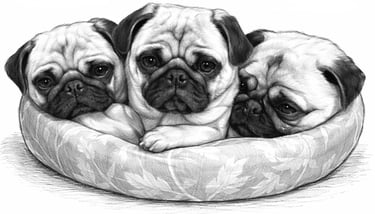
How to Make Pug Friendly: Interactions Tips
Learning how to make pug friendly and effective tips for socializing your pug and making them friendly with other dogs. Discover essential pug socialization strategies to ensure happy interactions in any setting.
5/10/20268 min read


Understanding the Importance of Socialization for Your Pug
Socialization is a critical process in the development of any dog, and this is especially true for pugs. These small, affectionate dogs possess a unique temperament characterized by their playful and sociable nature. Proper socialization during their formative months is essential for fostering a well-adjusted and confident pet. When pugs are adequately socialized, they are more likely to develop healthy relationships with other dogs and people, making them pleasant companions.
One of the primary reasons socialization is crucial for pugs is to prevent behavioral issues. Without adequate exposure to different environments, sights, sounds, and other animals, pugs may become fearful or aggressive. Such negative behaviors can stem from unfamiliarity, leading to anxiety and problematic reactions to new experiences. By introducing them to a variety of social settings, these charming little dogs can learn to navigate the world with ease, minimizing the likelihood of developing fear-based behaviors.
Moreover, well-socialized pugs typically exhibit better overall happiness and engagement in their environment. Engaging with other dogs and people helps reinforce their natural playfulness, allowing them to express their joyful spirit. As a breed that thrives on companionship, the importance of socializing pugs cannot be overstated—through interactions, they can explore their playful instincts in a safe and controlled manner. Thus, making socialization a priority will not only enhance the quality of life for your pug but also create a harmonious atmosphere for everyone involved.
The Best Age to Start Socializing Your Pug
Socialization is a critical aspect of raising a well-adjusted dog, particularly for breeds like pugs, known for their affectionate yet sometimes stubborn nature. The ideal age to begin socializing your pug is during the critical socialization period, which spans from approximately three to fourteen weeks of age. During this window, puppies are particularly receptive to new experiences, making this an opportune time to introduce them to different environments, people, and other dogs.
Exposing your pug to a variety of stimuli during this formative stage can significantly influence their behavioral development. Positive interactions with other dogs and diverse settings can help them develop confidence and reduce the likelihood of fear-based behaviors as they mature. It is essential to ensure that these early encounters are positive and controlled to foster a positive association with social interactions.
While the initial focus is on socialization within the first few months, it is important to continue exposing your pug to new experiences and canine companions throughout their life. Socialization should not cease after puppyhood; rather, it is a lifelong process. Continuing to engage your pug with other dogs, taking them to parks, and participating in training classes can help maintain their sociable demeanor. Regular interaction with various other animals and people will enhance their adaptability and reduce anxiety related to unfamiliar situations.
In addition, ongoing socialization provides additional benefits, such as reinforcing good behavior and reducing the likelihood of aggressive tendencies. A well-socialized pug is more likely to be comfortable in various environments, making them a joy to be around and an excellent companion. Therefore, prioritizing socialization from an early age and continuing these efforts throughout their life is critical to ensuring your pug grows up to be friendly and well-adjusted.
Techniques for Introducing Your Pug to Other Dogs
Introducing your pug to other dogs requires a careful and deliberate approach to ensure a positive experience. Firstly, leash introductions are a popular and effective method. By using a leash, you can maintain control over the situation while allowing both dogs to meet safely. Keep the initial distances between the dogs fairly large, gradually reducing the space as both animals appear calm and comfortable. This method helps prevent overwhelming either dog during the first encounter.
Another effective technique is to choose neutral spaces for the introduction. Neutral locations—such as local parks or open areas not owned by either dog—can mitigate territorial behaviors. By introducing your pug in a setting where neither dog feels the need to defend their space, you increase the likelihood of a friendly interaction. Ensure that both dogs are on leashes and allow them to familiarize themselves with each other’s scents by passing cautiously, as scent plays a crucial role in canine communication.
Additionally, organizing playdates with well-socialized dogs can facilitate smoother interactions. Selecting a dog that is calm and friendly serves as a beneficial model for your pug. Supervise the play session closely, monitoring both dogs' body language for signs of stress or discomfort, such as growling, stiff postures, or excessive barking. If you notice any signs of anxiety, it is essential to intervene and distract your pug successfully, perhaps with treats or toys, reinforcing positive outcomes during encounters.
Overall, employing these techniques can make the process of socializing your pug with other dogs both safe and enjoyable. Proper preparation and mindfulness of the dogs’ behaviors can foster a positive social experience that benefits all involved.
Choosing the Right Environment for Socialization
When it comes to socializing your pug, the environment plays a crucial role in their experiences and interactions with other dogs. Selecting the appropriate setting is essential to ensure that your pug develops into a friendly and well-adjusted companion.
Dog parks are often the first choice for many dog owners looking to provide their pets with a social experience. These locations typically offer ample space for dogs to interact and play freely. However, dog parks can also be overwhelming due to the presence of various breeds and sizes of dogs. It's important to assess the temperament of your pug during initial visits and choose times when the park is less crowded to prevent overwhelming situations.
Puppy classes can be an excellent alternative for socialization, particularly for young pugs. These classes are designed to familiarize puppies with other dogs in a controlled environment, offering guidance from a trainer who can help facilitate positive interactions. Puppy classes typically ensure that all participating dogs have similar energy levels and sizes, making this option safer for your pug. Moreover, enrolling in a structured class provides owners with tips and training techniques to reinforce good behavior during interactions.
Home environments can also be utilized for socialization, particularly for pugs that may be shy or anxious. Inviting calm and friendly dogs into your home can help your pug feel more secure while still gaining exposure to other canines. This gradual approach minimizes the chances of negative experiences that may arise from larger scale outings. Additionally, hosting playdates with other dog owners can establish a routine and safe environment for your pug.
Ultimately, the ideal setting for socializing your pug will depend on their individual temperament and past experiences. By thoughtfully selecting appropriate environments and monitoring interactions, you can ensure that your pug becomes a friendly and sociable member of the canine community.
Using Positive Reinforcement in Socialization
Positive reinforcement is a pivotal strategy in ensuring effective socialization for your pug, especially when introducing them to other dogs. The core principle of this approach is to reward desirable behavior rather than punishing undesirable actions. This method encourages your pug to associate positive experiences with the presence of other dogs, ultimately enhancing their social skills and making interactions more enjoyable.
One of the most effective ways to implement positive reinforcement is through the use of treats. By offering a favorite treat each time your pug exhibits friendly behavior towards another dog, you reinforce that specific action. This not only motivates your dog but also helps them understand that being sociable is rewarding. It is essential to select high-value treats that your pug finds irresistible to maximize their engagement during socialization sessions.
Praise is another valuable tool in your positive reinforcement arsenal. Verbal affirmations like "good boy" or "well done" can create a strong emotional response in your pug, encouraging them to repeat the desired behavior in the future. Consistency in the timing of your praise is critical; rewarding your pug immediately after they interact happily with another dog will help solidify the connection between the behavior and the positive outcome.
In addition to treats and praise, incorporating toys can also enhance the socialization process. A beloved toy may serve as a distraction or a play incentive, making interactions with other dogs more enjoyable. Use the toy as a reward for friendly behavior, thereby creating a positive association not just with other dogs but also with the playtime that follows successful interactions.
Overall, utilizing positive reinforcement techniques fosters a nurturing environment for your pug to thrive socially. By consistently rewarding them for sociable interactions, you pave the way for a friendly, well-adjusted dog who is comfortable in the presence of others.
Dealing with Fear or Aggression in Your Pug
Socializing a pug can be a rewarding yet challenging process, especially when dealing with fear or aggression. These issues can stem from various factors, including lack of exposure to other dogs or negative experiences during early interactions. Understanding how to address these behaviors is crucial for a successful socialization journey.
When you notice fearful or aggressive responses in your pug, it is important to remain calm. Dogs are highly perceptive and can pick up on their owners' emotions. Start by assessing the trigger causing the fear or aggression. Is it a particular dog, sound, or environment? Identifying the specific source can help in developing a tailored approach to manage the behavior.
Patience is key in addressing fear-based responses. Gradually expose your pug to the identified triggers at a controlled distance where they feel safe. This step is essential to build their confidence without overwhelming them. Positive reinforcement can be employed effectively here; reward your pug with treats or praise for calm behavior to create a positive association with the triggers. For example, if your pug reacts negatively to other dogs, rewarding them for remaining calm as other dogs approach can help ease their anxiety.
In cases of aggression, it is vital to avoid confrontation. Instead, redirect your pug's attention to you or a toy when they exhibit aggressive behavior. Consistently practicing this technique can assist in increasing their focus on you rather than on the perceived threat. Gradual desensitization should also be applied; this means slowly introducing your pug to other dogs in safe environments, perhaps with controlled and socialized canines present.
If your pug's fear or aggression persists despite your efforts, seeking assistance from a professional dog trainer or behaviorist may be beneficial. These experts can offer specialized training techniques and insights tailored for your pug's specific needs.
Monitoring Progress and Celebrating Success
Tracking your pug’s socialization journey is a vital step in ensuring they grow up to be friendly and confident around other dogs. Begin by maintaining a progress journal, where you can note the date, locations visited, other dogs encountered, and your pug's behavior in those situations. This will help you identify patterns and recognize their growth over time. You may find that your pug is becoming more relaxed during interactions or is initiating play with other dogs, which are significant milestones in their social development.
As you witness improvements, it is essential to celebrate these small successes. Positive reinforcement can significantly boost your pug's confidence, so rewarding them with praise, treats, or a favorite toy after successful interactions can reinforce these behaviors. This not only motivates your pug but also builds a positive association with socializing, making it an enjoyable experience for them.
Moreover, establishing socialization goals can further guide your pug on this journey. For instance, if your pug is shy, aim for short visits to dog parks or playdates with one or two familiar dogs before introducing them to larger groups. Gradually increasing these encounters will allow them to acclimate at their own pace without feeling overwhelmed.
It is also crucial to recognize that socialization is an ongoing process. Regularly scheduled playdates and visits to dog parks will help maintain their social skills and ensure they remain well-adjusted as they grow. By monitoring progress, celebrating achievements, and continually providing opportunities for your pug to interact positively with other dogs, you will foster their long-term friendliness and adaptability in social situations.