The Origins of the Name Pug: Where Does It Come From?
Discover the fascinating origins of the name Pug. Learn about the meaning behind 'pug' and explore where this charming breed's name truly comes from. Uncover the history and significance of the pug name today.
5/10/20267 min read

Introduction to the Pug
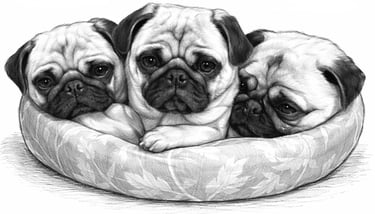
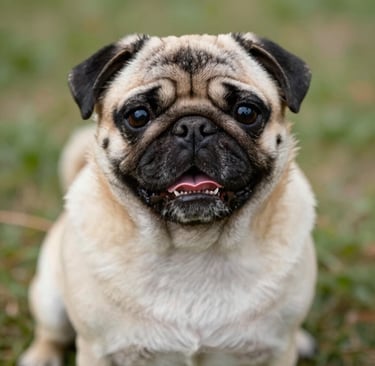
The pug is a small breed of dog, renowned for its charming demeanor and distinctive appearance. With a wrinkled face, curled tail, and compact build, pugs have gained immense popularity among dog lovers worldwide. Their friendly disposition and affectionate nature make them excellent companions, especially in urban environments where space may be limited.
Originating from ancient China, where they were favored by royalty, pugs have a long history that dates back several centuries. The breed was introduced to Europe in the 16th century, quickly capturing the hearts of nobility, including the House of Orange in the Netherlands. These dogs were not just pets; they were regarded as symbols of status and companionship.
Pugs are known for their playful and social behavior, often showcasing an endearing mix of curiosity and stubbornness. They thrive in family settings, getting along well with children and other pets. Due to their compact size, they adapt well to apartment living, as long as they receive sufficient exercise and mental stimulation. Their loyalty and playful antics contribute to their reputation as "clowns" in the dog world, often bringing joy and laughter to their families.
As we delve into the history of the term 'pug', it is important to note how this name reflects certain attributes of the breed. The etymology of the name and its journey across different cultures will further illuminate the profound connection between the pug and its owners. Investigating the origins of such a delightful breed often enhances our understanding of canine history and the relationships between humans and their four-legged companions.
Etymology of the Name 'Pug'
The name 'pug' holds a fascinating etymological background that spans various languages and historical contexts. The term is believed to originate from the Latin word pugnus, which means "fist." This connection might seem abstract at first; however, it is thought that this resemblance could describe the shape of a pug's compact and muscular body, which may resemble a curled fist.
In Old English, the word 'pug' began to take on its well-known form. One theory suggests a connection to a word used to denote a small child or a whimsical creature, possibly indicative of the breed's charming and playful nature. The development of the name likely solidifies around the 18th century when the pug became increasingly popular in Europe as a beloved pet.
Moreover, the breed's association with nobility during the 18th century may have further influenced the linguistic evolution of its name. Wealthy households cherished pugs, and as they were depicted in literature and art, the name 'pug' became firmly entrenched in popular culture, synonymous with companionship and affection.
Additionally, linguistic coincidences, such as the similarity to the word 'pug' that appears in various other languages, including the Middle Dutch pugge, enrich the discussion around its etymology. This overlap suggests a broad and deep-rooted appreciation for the breed across different cultures.
In conclusion, the etymology of the name 'pug' reflects a rich interplay of language, culture, and history. From its Latin origins to its embrace in English literature, the term encapsulates a unique heritage that adds to the breed's appeal as one of humans' most cherished companions.
Historical Context and Cultural Significance
The pug, known for its distinctive appearance and charming temperament, has a rich historical context that contributes to its cultural significance. Originating in ancient China, these small yet robust canines were revered by royalty and had a prominent status in various dynasties. They were often seen accompanying members of the ruling classes, which undoubtedly helped cement their position as a beloved breed among the elite.
As trade routes expanded in the 16th and 17th centuries, pugs made their way to Europe, where they quickly gained popularity, particularly in the Netherlands and England. In these regions, pugs were associated with nobility and were often depicted in art and literature, which further enhanced their cultural significance. The breed not only represented a status symbol but also became a subject of fascination among the artistic community, reinforcing their esteemed reputation.
One notable instance of this is the connection between pugs and the House of Orange. In the late 16th century, William of Orange, a key figure in Dutch history, had a pug as his loyal companion. This association heightened the breed's profile in the Netherlands, showcasing how royal endorsements can influence the popularity of specific breeds.
Additionally, pugs were often depicted in the works of famous artists, including Francisco Goya and Gustav Klimt. Such representations illustrate how pugs transcended mere companionship to become symbols of artistic inspiration and cultural identity. Their presence in various cultural narratives reflects not only their charm and personality but also the affectionate and loyal nature that has endeared them to many throughout history.
Connection to the Word 'Pugilist' and Its Implications
The term 'pug' in the context of the dog breed has an intriguing connection to the word 'pugilist,' which denotes a fighter or boxer. This association appears to stem primarily from the physical characteristics of the pug breed, particularly its compact and muscular build, along with a strong and spirited demeanor. These features evoke a sense of strength and agility, traits typically admired in a fighter. The etymology of the word 'pugilist' itself traces back to the Latin word 'pugil,' meaning 'a fist,' further emphasizing the connection to combat and physicality, which can be whimsically associated with the playful yet tenacious nature of pugs.
Pugs, despite their small stature, exhibit a certain tenacity that could liken them to the characteristics of a spirited pugilist stepping into the ring. Their unique facial structure, with its wrinkled skin and expressive features, might also be seen as mirroring the intensity and determination often displayed by boxers. This parallel raises an interesting discussion about how these canine companions are often perceived in terms of their personality, embodying an unexpected toughness that belies their exterior appearance.
The implied connection between pugs and pugilists serves as an affectionate metaphor, highlighting the breed's bold personality despite its diminutive size. This blend of charm and courage in pugs not only captivates dog lovers but also draws a compelling analogy to the world of boxing, where heart and spirit are critical, regardless of one's size. By understanding this connection, we gain insight into the cultural significance and personality traits that make the pug a beloved companion, embracing the notion that true strength comes in all sizes.
Literature and Media References
The name 'pug' has been noted in various forms of literature and media throughout history, reflecting the breed's unique characteristics and charm. One of the earliest significant literary references can be traced back to the works of the renowned 17th-century author John Milton, where the pug is mentioned in a playful context, symbolizing companionship and affection. Such early mentions have helped establish the pug as an emblem of loyalty and love.
Additionally, pugs have made several appearances in works by other prominent writers. For instance, in William Shakespeare's era, the pug dog was often used symbolically in poetry and plays, drawing attention to its compatibility with human emotions. Shakespeare himself referenced the pug in his comedic work, where the dog characterizes the traits of a loyal friend, further entrenching the breed in the cultural zeitgeist.
In the 18th century, the pug continued to garner attention as it became a favorite among royalty and aristocracy. Literature from this period often depicted pugs as luxurious companions, reflecting their status within high society. Works featuring characters who owned pugs often highlighted the breed's charming features, such as their large eyes and wrinkled faces, contributing to an image of the pug as a creature of whimsy and delight.
Modern references in film and television have sustained the pug's presence in popular culture. From animated movies showcasing pugs as anthropomorphic characters to reality shows highlighting their playful antics, the portrayal of pugs has reinforced their appeal across different audiences. The diverse representations in literature and media over the centuries have undeniably contributed to shaping the breed’s identity and solidifying its status as a beloved companion dog.
Regional Variations in Name and Recognition
The pug, a breed that has captured the hearts of many across the globe, is known by various names in different regions, reflecting not only linguistic diversity but also cultural attitudes towards this endearing dog. In England, the pug is often affectionately referred to simply as a "pug," maintaining its original nomenclature derived from the Latin term "pugnus," meaning fist, which aptly describes the dog’s compact size and distinctive shape.
In contrast, the breed is known as the "Carlin" in France. This term not only stems from the breed's charming physique but also aligns with the French cultural appreciation for compact, charming breeds. In Italy, pugs are often referred to as "Carlino," illustrating a similar lineage to the French name. This linguistic variation underscores the breed’s popularity in these regions, where it historically served as companions to the bourgeoisie, often featured in art and literature, reflecting their elevated status in society.
The German-speaking regions refer to the pug as "Mops," a name that emphasizes its playful and jovial nature. This name showcases how the breed's temperament influences its recognition and popularity, as the playful disposition of pugs is a significant element of their charm. Meanwhile, in certain parts of Asia, particularly in China, the pug has become synonymous with royalty, often referred to as "Fo Shou," literally meaning "Buddha's hand," highlighting the breed's revered status in ancient Chinese culture.
These regional variations in naming not only reveal linguistic differences but also reflect how each culture perceives the pug. Across the world, the pug garners affection for its unique personality and striking appearance, bridging cultural gaps and creating a shared appreciation for this beloved breed.
Conclusion and Reflections on the Pug's Name
In exploring the origins of the name 'pug,' we uncover a rich tapestry of history that emphasizes not only the breed's unique characteristics but also the cultural significance intertwined with its nomenclature. The word 'pug' has evolved through various languages and eras, which reflects the breed's journey from ancient times to the present day. Understanding this etymology allows us to appreciate the pug not merely as a pet but as a cherished symbol of companionship, loyalty, and distinct personality.
Furthermore, by recognizing the connotations associated with the name, such as the pug’s playful demeanor and charming presence, we can develop a deeper connection to these animals. Their history, rooted in aristocracy and warmth, highlights the enduring bond between humans and pugs. This awareness can enrich our interactions with the breed, influencing how we train, care for, and engage with them.
Moreover, the pug's name invites contemplation about the essential qualities that define not just the breed but also our appreciation of animals in general. Each nuanced detail, from facial features to behavioral traits, contributes to the affectionate identity we associate with pugs today. Thus, the name serves as more than just a label; it encapsulates a cultural legacy that resonates with enthusiasts and pet owners alike.
Ultimately, exploring the origins of the name 'pug' enhances our understanding of the breed’s appeal. As we reflect on this knowledge, we can take greater pride in the companionship pugs provide, celebrated not only in our homes but also in the history they represent.”