
The Truth About Owning a Pug: What Breeders Won't Tell
Discover the real facts about pug ownership that most breeders never disclose. Learn what it truly means owning a pug, including their needs, care, and potential challenges.
5/14/20268 min read
The History and Characteristics of Pugs
Pugs have a rich history that dates back to ancient China, where they were bred as companions for royalty. These small dogs were favored for their unique appearance, characterized by a distinct wrinkled face, curled tail, and compact stature. Historically, pugs were owned by emperors and enjoyed a pampered lifestyle. They were often kept in luxurious settings and were considered symbols of status, cherished for their loyalty and gentle demeanor.
As trade routes expanded, pugs found their way to Europe in the 16th century, where they quickly gained popularity among the nobility. These dogs became associated with various royal families, including the House of Orange in the Netherlands and Queen Victoria in the United Kingdom, further solidifying their status as beloved companion animals. Over the years, the pug's charm captivated many, leading to their widespread admiration across Western cultures.
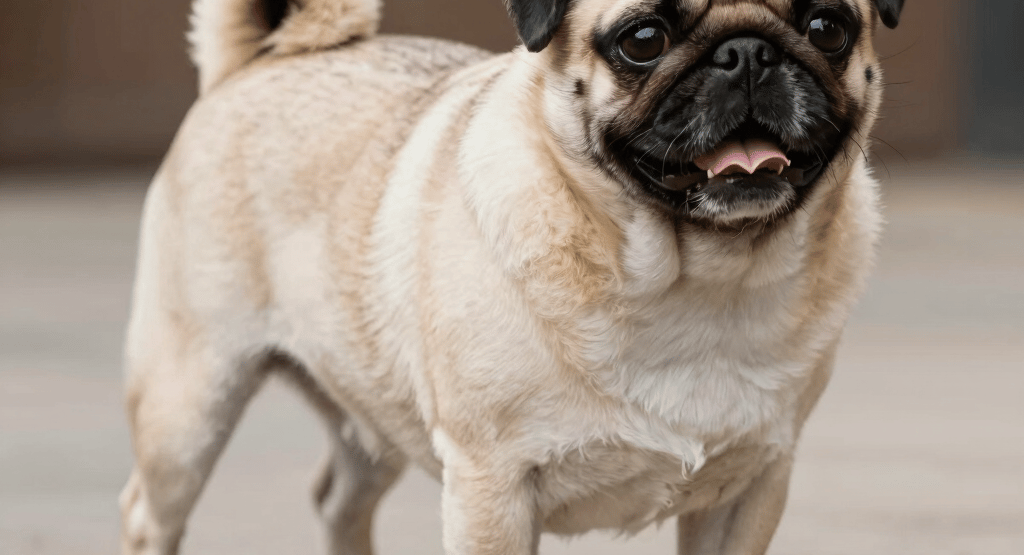
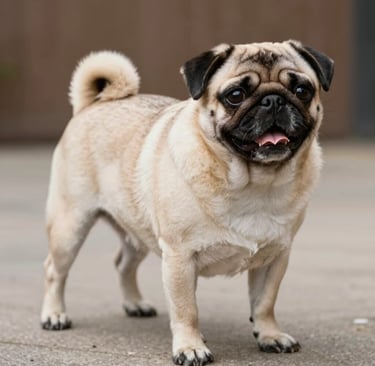
In terms of physical characteristics, pugs are distinguished by their small size, typically weighing between 14 to 18 pounds, and their compact, muscular build. Their short coat comes in fawn or black, and their signature facial wrinkles give them an endearing look. Beyond their appearance, pugs are known for their playful and affectionate personality traits. They are sociable dogs, often exhibiting a friendly demeanor, making them excellent companions for families and singles alike.
Pugs possess a unique combination of characteristics that enhances their appeal. They are usually adaptable to various living situations, whether in apartments or larger homes, and are known for their loving nature toward their owners. However, it is important to consider their specific needs and temperaments when welcoming a pug into your home, as their friendly disposition can sometimes lead to separation anxiety. Understanding these traits is essential for any prospective pug owner.
Common Health Issues in Pugs
Pugs, with their distinct appearance and amiable personalities, are often favored as companions. However, potential owners must understand the common health issues associated with this breed, which can significantly affect both the pug's quality of life and the owner's experience. One of the most prevalent concerns is breathing problems, particularly brachycephalic obstructive airway syndrome (BOAS). Due to their short snouts, pugs are predisposed to respiratory difficulties. Studies indicate that around 63% of pugs may experience some form of respiratory distress, which can lead to severe health complications if not managed properly.
Skin conditions also plague many pugs, as their unique skin folds can become breeding grounds for bacteria and fungi. Conditions such as pyoderma and demodicosis are prevalent due to inadequate hygiene, and around 15% of pugs are reported to have skin issues at some point in their lives. This not only causes discomfort to the pet but can be a financial burden for owners in terms of veterinary treatment and ongoing management.
Furthermore, obesity is an alarming issue within the pug population. The breed's tendency to gain weight is exacerbated by their low activity levels and the common tendency among owners to overfeed. According to veterinarian data, nearly 60% of pugs are classified as overweight or obese, which increases their risk for diabetes, joint problems, and cardiovascular issues. Therefore, it is critical for pug owners to maintain a healthy diet and ensure regular exercise for their pets.
Understanding these health challenges is vital for potential pug owners, as they illuminate the realities of owning a pug that breeders may not always disclose. Responsible ownership and proactive health management play essential roles in enhancing the lives of both pugs and their owners.
The Cost of Owning a Pug Beyond the Initial Purchase
Owning a pug can be a highly rewarding experience, but it is important for prospective owners to consider the comprehensive financial commitment involved beyond the initial purchase price. While acquiring a pug may seem like an affordable investment, the ongoing expenses can substantially add up over time.
One of the primary recurring costs that pug owners should anticipate is routine veterinary care. This includes regular check-ups, vaccinations, and preventive medications, such as flea and heartworm treatments. Regular veterinary visits not only keep your pug healthy but also help in detecting any potential health issues early on, which can be crucial for maintaining the quality of your pet's life.
In addition to routine care, pug owners should be prepared for unexpected medical emergencies. Pugs are prone to certain health conditions, such as brachycephalic obstructive airway syndrome, skin issues, and hip dysplasia, which may require specialized treatments or surgeries. These unexpected costs can be significant, so it is wise to consider pet insurance or establish a savings plan to manage these expenses.
Moreover, grooming is another aspect that should not be overlooked. Though pugs have a short coat that requires less grooming than some breeds, they do shed and need occasional baths and nail trimming. Investing in the right grooming tools or professional services can ensure that your pug stays clean and comfortable.
Furthermore, the cost of food specifically formulated for pugs, considering their dietary needs, should be factored into the budget. High-quality kibble or canned food tailored to the nutritional requirements of pugs helps maintain their health. Overall, when deciding to bring a pug into your home, it is essential to account for these various costs to ensure you are financially prepared for the long-term commitment of pet ownership.
The Importance of Socialization and Training
Owning a pug comes with unique joys and challenges. One of the most vital aspects of responsible pug ownership that often goes unspoken is the importance of early socialization and training. Pugs are social animals by nature, and they thrive in environments that foster their interaction with people and other pets. Without adequate socialization, pugs can develop behavioral issues such as anxiety, aggression, or excessive barking, making them difficult companions.
The process of socialization should start as early as possible. Exposing your pug to various environments, sounds, and experiences will help them adapt better to the world around them. This could involve taking them on different outings, allowing them to meet other animals, or introducing them to new people. Each positive experience reinforces their confidence and helps to alleviate potential fears or anxieties.
Training should be prioritized from a young age. Pugs are intelligent dogs that respond well to consistent, positive reinforcement techniques. Basic commands, such as sit, stay, and come, should be taught early to establish a foundation for more advanced training. Employing fun and engaging methods, such as clicker training or using treats as rewards, can enhance their learning experience. Consistency and patience are key in training, as pugs may sometimes exhibit stubbornness.
Moreover, incorporating training into your pug’s daily routine can foster a strong bond between you and your dog. Regular practice during walks or playtime not only reinforces learning but also provides mental stimulation, which is crucial for a pug’s overall health. Remember, a well-socialized and trained pug is more likely to be a happy and well-adjusted companion, making the effort well worth it.
Lifestyle Considerations for Pug Owners
Owning a pug can be a rewarding experience, yet it involves specific lifestyle considerations that potential owners should carefully evaluate. One of the primary factors is the accommodation needs of pugs. These dogs are relatively small, which allows them to adapt well to apartment living, provided they receive sufficient exercise. However, it is essential to ensure that any home environment is safe and supportive, with adequate space for their movement. Pugs are sensitive to extreme weather conditions, making it vital for owners to consider climate when determining whether their living situation is suitable for this breed.
Daily exercise is another significant aspect of pug ownership. Pugs require regular, moderate exercise to maintain their health and avoid obesity, which is a common issue within the breed. A daily routine that includes short walks and engaging playtime is crucial. Owners with busy schedules must integrate these physical activities into their day-to-day lives, ensuring that their pug receives the necessary physical and mental stimulation.
Furthermore, accommodating a pug's needs can influence lifestyle choices, from work commitments to social activities. Families or individuals who are frequently away may struggle to provide the attention and care that pugs crave. This breed is known for developing strong bonds with their owners, resulting in potential behavioral issues if left alone for extended periods. Therefore, those considering a pug should assess their ability to balance work and leisure with the commitment of pet ownership.
Overall, while pugs can adapt to various living situations and lifestyles, prospective owners need to examine their capacity to meet these breed-specific needs comprehensively. Thoughtful planning can lead to a satisfying companionship, while neglecting these factors can result in challenges that affect both the owner's and the pug's well-being.
Dealing with Pug-Specific Challenges
Owning a pug can be a rewarding experience, yet it also comes with unique challenges that potential owners should be aware of. One of the primary concerns is their brachycephalic nature, characterized by a short muzzle that can lead to various breathing difficulties. This respiratory condition makes pugs particularly susceptible to heat exhaustion and can result in obstructive sleep apnea. Owners must be vigilant regarding their pug's breathing, especially during warmer months or intense physical activity. Regular vet check-ups are crucial to monitor the health status of your pug, as ensuring their airways are functioning properly directly impacts their quality of life.
Furthermore, pugs are known for forming strong emotional attachments to their owners. While this affectionate nature is endearing, it can create challenges, particularly with separation anxiety. Pugs may exhibit destructive behaviors when left alone for extended periods. To mitigate this issue, it is important to gradually accustom your pug to being alone through short departures that increase in duration, allowing them to develop confidence in their independence. Additionally, providing stimulating toys and engaging in regular exercise can reduce anxiety and keep them occupied when you are not around.
Another common challenge among pug owners is the breed’s predisposition to obesity. Pugs love to eat and can easily gain weight, leading to a host of health problems. To combat this, owners should adhere to a strict diet and ensure that proper exercise routines are established daily. Keeping track of your pug’s weight and adjusting food portions accordingly is essential to maintain their optimal health. Addressing these pug-specific challenges can lead to a fulfilling and enjoyable relationship with your furry companion.
Finding a Responsible Breeder or Considering Adoption
The decision to bring a pug into one’s home is a significant commitment that warrants careful consideration, particularly regarding the source from which the pug is acquired. A responsible breeder is paramount in ensuring that the new pet is both healthy and well-socialized. Prospective pug owners should seek breeders who prioritize the health of their dogs, conduct appropriate genetic testing, and willingly provide health clearances. When meeting with a breeder, it is advisable to ask questions regarding the conditions in which the pugs are raised, the frequency of veterinary visits, and their experience with the breed. This inquiry not only provides insight into the breeder's integrity but also affirms their dedication to ethical breeding practices.
Moreover, responsible breeders should be transparent about the potential health issues associated with pugs, including brachycephalic respiratory problems and skin conditions. A reputable breeder should be engaged in the pug community and adhere to breed standards while demonstrating a commitment to improving the breed through their practices.
In addition to seeking a responsible breeder, prospective pug owners might consider adoption from shelters or rescue organizations. Adoption provides a second chance to dogs who might otherwise remain in shelters. Many pugs in rescues are in need of loving homes due to various circumstances, such as changes in their previous owners' living situations or unforeseen life events. Adopting a pug not only saves a life but also allows an owner to bypass some of the health complications that accompany poorly bred pets.
Ultimately, whether choosing a breeder or an adoption route, it is essential for pug owners to prioritize ethical considerations and commit to the well-being of their future pets. Being informed and conscious of sourcing ensures that pugs can thrive in healthy, loving environments.