The Science Behind Pug Popularity
Discover why pugs have become one of the most popular dog breeds. Explore the science behind their adorable 'human' faces and what makes them so loved by dog enthusiasts.
5/10/20268 min read
Introduction to Pugs and Their Rise in Popularity
Pugs are a distinct breed of dog known for their charming appearances and affectionate temperaments. Recognizable by their wrinkled faces, curled tails, and compact stature, pugs have captivated dog enthusiasts since their inception. This breed can trace its origins back to ancient China, where they were bred as companion animals for royalty. Their history is steeped in significance, often accompanying emperors and aristocrats, thereby establishing a legacy that highlights their value as loyal companions.
In the early 20th century, pugs made their way to Europe, particularly in the Netherlands and England, and subsequently gained popularity in various parts of the world, including the United States. The adaptability of pugs to a wide variety of living conditions, combined with their sociable nature, has played a key role in their rise as beloved household pets.
Moreover, the modern age has seen the pug breed experience an unprecedented surge in popularity, thanks, in part, to social media. Platforms such as Instagram and Facebook have played a crucial role in showcasing pugs through viral photos and videos, which portray their endearing qualities and playful antics. This breed's presence is further amplified by celebrity endorsements, with numerous notable figures opting for pugs as their pets, thereby increasing their visibility and desirability.
Several factors contribute to the pug's growing popularity, including their low maintenance grooming requirements and their generally friendly demeanor. They make excellent companions, especially in urban settings where their small size is ideal for apartment living. The pug phenomenon reflects a broader cultural trend valuing the companionship and emotional support pets provide, thus solidifying the pug's status not just as a pet but as an essential member of the family.
The Unique Physical Characteristics of Pugs
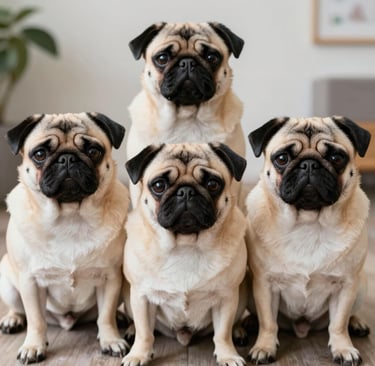
Pugs are renowned for their distinctive appearance, which is characterized by a variety of unique physical traits that set them apart from other breeds. One of the most noticeable features of a pug is its compact size; they are small yet sturdy dogs, typically weighing between 14 to 18 pounds. This compactness adds to their charm, making them highly desirable companions for urban dwellers and families alike, as they can easily adapt to smaller living spaces.
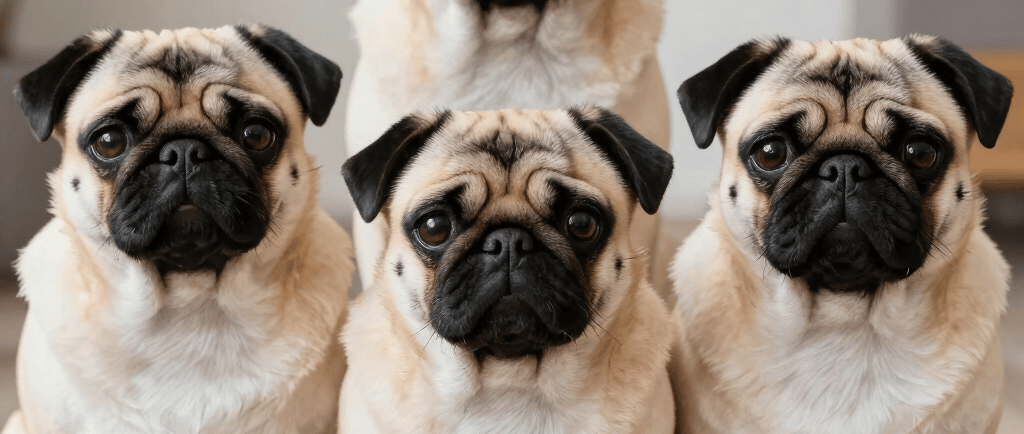
Another defining characteristic of pugs is their wrinkled faces. These wrinkles are not merely aesthetic; they contribute to the breed’s expressive range, often conveying happiness, curiosity, or even mischief. The furrowed brows and deep-set eyes create a thoughtful, almost human-like expression that resonates deeply with dog lovers. This expression is complemented by their short muzzle, which adds to the breed's 'flat-faced' profile. Such facial features can elicit a nurturing response from humans, as they closely resemble the physical traits of infants.
Pugs also possess large, expressive eyes that can easily captivate anyone who looks their way. Their round, dark eyes often seem to communicate a plethora of emotions, fostering a bond between the pug and its owner. These large eyes can often give the impression that the dog is perpetually smiling, which further enhances their appeal. Moreover, the breed’s signature curled tail adds an additional layer of uniqueness; it is a delightful feature that signifies their playful nature and zest for life.
In conclusion, the unique physical characteristics of pugs—including their compact size, wrinkled faces, and expressive eyes—play a significant role in their endearment. These traits not only contribute to their popularity but also foster deep emotional connections with their owners, making them cherished companions around the globe.
The Concept of 'Human' Faces in Dogs
The perception of certain dog breeds, including pugs, as possessing 'human' faces is rooted in a complex interplay of psychological and evolutionary factors. This phenomenon can be attributed to the physical traits that many people associate with human emotions—traits such as big, expressive eyes, short muzzles, and remarkable facial mobility. Studies suggest that these characteristics invoke a nurturing response in humans, fostering a deep emotional connection with these canine companions.
Research conducted by various psychologists, particularly those exploring the bond between humans and dogs, often highlights how the appearance of a dog's face can trigger anthropomorphism, where human characteristics are attributed to non-human entities. A specific study published in the journal "Animal Cognition" indicated that dogs displaying softer facial features tended to elicit more positive emotional reactions from humans. Pugs exemplify these characteristics, often regarded as archetypal 'human-faced' dogs due to their distinctive round faces, large eyes, and sagging skin.
Moreover, evolutionary theories suggest that domestic dogs have been selected over generations for traits that enhance their appeal to humans. This selective breeding has produced breeds like pugs that often exhibit exaggerated facial features. These traits not only enhance their aesthetic appeal but also contribute to a more profound empathetic interaction with their human caregivers. Consequently, the perceived 'human' face in dogs acts as an evolutionary advantage, potentially increasing their survival through enhanced bonding mechanisms with humans.
In essence, the interplay of physical attributes and psychological perceptions plays a crucial role in our understanding of why dog breeds such as pugs are often regarded as having 'human' faces. Their unique appearance fosters a deep emotional connection that is reciprocated by affectionate and nurturing behaviors from their owners, underscoring the extraordinary bond shared between humans and their canine companions.
The Appeal of Pugs: Cute Aggression and Its Effects
Pugs are often described as one of the cutest dog breeds, embodying an irresistible charm that captivates many. Their distinctive appearance, characterized by a wrinkled face, bulging eyes, and compact physique, elicits a phenomenon known as ‘cute aggression.’ This term refers to the overwhelming urge people feel to squeeze, cuddle, or even pinch adorable animals. While the term might evoke a sense of harm, it is purely a reflection of a strong emotional response to perceived cuteness.
The perception of cuteness is a complex interplay of features that signal youth and vulnerability. Pugs possess many of these traits: their large, expressive eyes and round faces resemble those of human infants, which instinctively trigger nurturing behaviors in adults. The cuteness of pugs elicits a release of oxytocin, the bonding hormone, promoting feelings of warmth and affection. This biological response is evolutionary; it ensures that caregivers are motivated to nurture and protect their young.
Cute aggression manifests when individuals feel a strong desire to express affection, often leading to behaviors that mimic playful aggression. This can include squeezing a pug gently, holding them tightly, or showering them with kisses. Interestingly, this behavior does not arise from a wish to harm the animal; rather, it highlights the joy and excitement these charming pets inspire. The quirky nature of pugs—with their tendency to snort, playfully tumble, and engage in silly antics—further amplifies this response, making them even more appealing.
As pugs continue to gain popularity as household companions, the concept of cute aggression not only enhances their allure but also deepens the human-animal bond. This delightful interplay highlights the important emotional role that pets play in our lives, reaffirming why pugs are cherished by so many.
Pugs and Emotional Connection: The Science Behind Affection
The emotional bond between humans and their pet pugs is markedly profound, supported by extensive research on the benefits of pet ownership. Pugs, with their distinct facial features and lively demeanor, have a unique ability to transcend the traditional pet role and become integral parts of their owners' lives. The phenomenon known as the "puppy dog eyes" effect is largely attributed to their expressive faces, which can evoke feelings of affection and warmth. Studies suggest that such expressions can trigger the release of oxytocin, a hormone associated with emotional bonding, in human brain chemistry. This biological response highlights the intricate interplay between animals and their human counterparts.
Moreover, the companionship offered by pugs also contributes significantly to psychological well-being. Pugs often serve as sources of comfort during stressful periods, offering unwavering affection and companionship. This bond can enhance mental health by reducing feelings of loneliness, anxiety, and depression. Research published in well-regarded journals emphasizes that the presence of pets tends to lower levels of cortisol, a stress hormone, thereby promoting relaxation among pet owners. The reciprocal nature of this relationship fosters a nurturing environment that benefits both pugs and their human companions.
Another aspect contributing to this emotional connection is the shared social interaction between pugs and their owners. Engaging in play, walks, or simple companionship allows for the development of routines that strengthen the bond over time. Additionally, pugs often possess an agreeable demeanor, further enhancing their ability to create an affectionate atmosphere within the home. Such traits make them not just pets but partners in emotional support, thereby enriching the lives of their owners. Therefore, the bond formed with pugs illustrates the remarkable capacity for animals to touch human hearts, fostering emotional connections that are both profound and lasting.
Pugs in Pop Culture: Media Influence on Popularity
The influence of media on the popularity of pugs cannot be overstated. Their unique appearance coupled with adaptable temperaments has positioned them prominently in various media outlets, significantly impacting public perception and desirability as pets. This phenomenon began gaining traction with classic cinema and television, where pugs occasionally made memorable appearances that showcased their charming demeanor.
One of the most iconic representations of pugs in media was in the 2006 film *Men in Black II*, where a pug named Frank provided comic relief as a talking alien informant. This portrayal brought attention not just to the character but also to the breed as endearing companions, capturing the hearts of both dog enthusiasts and casual viewers. Similarly, pugs have graced the small screen, with notable features in popular television shows such as *The Simpsons*, where a character owned a pug, drawing a recognition that correlated with an uptick in pug adoptions.
Advertising campaigns have also played a significant role in the rise of pugs. Brands often capitalize on the breed's expressive face and personable nature, portraying pugs in commercials to evoke feelings of warmth and affection. For instance, the use of pugs in pet food advertisements solidifies their status as family-friendly pets, encouraging viewers to consider pugs for their homes.
In the realm of social media, platforms like Instagram and TikTok have further amplified the popularity of pugs through viral videos and pictures. Influencers showcasing their pugs’ quirky behaviors contribute to a community that celebrates the breed, making pugs a staple in humorous and heartwarming content. The hashtag #puglife attracts millions of views, demonstrating how social media fosters a culture of admiration and support for these charming dogs.
Conclusion: The Enduring Love for Pugs and Their Future
Throughout this article, we have explored various aspects contributing to the immense popularity of pugs, particularly their unique facial features that evoke a sense of affection and nostalgia among dog lovers. Their distinctive appearance often resembles that of a human face, which many studies suggest is a key factor in eliciting positive emotional responses from people. This phenomenon, coupled with their playful, adaptable nature, makes pugs an ideal companion for a diverse range of lifestyles.
The historical context of pug ownership also sheds light on their growing appeal. Originally bred as companions for royalty and nobility, pugs have transitioned into beloved family pets cherished for their loyalty and affectionate behavior. This rich history, alongside contemporary portrayals in media and popular culture, enhances their attraction, ensuring that pugs maintain a prominent position in the hearts of dog enthusiasts.
Looking towards the future, the ongoing trend of embracing dogs as family members signifies a continuing trajectory for pug ownership. As more individuals seek companionship and emotional support through pets, the demand for pugs, with their gentle temperament and charming demeanor, is likely to rise. Moreover, responsible breeding practices and an increasing awareness of health-related issues in brachycephalic breeds are expected to play a crucial role in sustaining their popularity.
In conclusion, pugs have etched a significant place in society, appealing to a wide audience due to their endearing characteristics. As we move forward, it is essential for future pug owners to embrace responsible pet ownership while managing the unique needs of these beloved companions. With their rich history and unwavering charm, pugs are positioned to thrive in the pet world for many years to come.