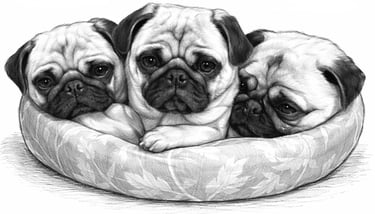
Protecting Pug Eyes: Solutions for Common Problems
Discover effective ways to protect your pug's beautiful eyes from common issues. Learn about protecting pug eyes problems and how to ensure your furry friend maintains optimal eye health.
5/10/20267 min read


Understanding the Anatomy of Pug Eyes
Pugs are renowned for their distinctive appearance, which includes large, bulging eyes that are one of their most charming features. The anatomy of pug eyes is quite unique compared to other dog breeds, contributing not only to their expressive nature but also to a range of potential eye issues. The prominent structure of their eyes makes them particularly susceptible to a variety of ocular problems.
One primary characteristic of pug eyes is their prominent bulge. Unlike many breeds that possess a more streamlined eye shape, pugs have eyes that protrude significantly from their sockets. This feature can hinder their natural protection mechanisms, making them more vulnerable to physical trauma, such as scratches or impacts. Furthermore, the prominent position of their eyes results in a shallower eye socket, which can lead to conditions like corneal ulcers if the cornea becomes injured or excessively dry.
The eyelid structure in pugs also plays a vital role in their eye health. Pugs typically have a fold of skin, referred to as a "bracheycephalic eyelid fold," that can interfere with proper eyelid function. This can result in improper blinking and incomplete closure of the eyelids, which is essential for maintaining moisture and protection for the surface of the eye. As a result, conditions such as dry eye and irritation become common, as adequate tears may not be produced or distributed effectively.
Additionally, the tear ducts in pugs may not function optimally due to their eye shape and structure, further exacerbating the risk for conditions related to dry eye. In essence, while the anatomy of pug eyes contributes to their undeniable charm, it simultaneously renders them prone to various eye diseases and complications that owners should be aware of.
Common Eye Problems in Pugs
Pugs are beloved for their enchanting appearance, particularly their large, expressive eyes. However, this distinctive feature makes them susceptible to a variety of eye problems. Understanding these conditions is essential for every pug owner, as early detection can lead to effective management and treatment.
One prevalent issue faced by pugs is cherry eye, which occurs when the third eyelid's gland becomes prolapsed. This condition results in a noticeable redness in the corner of the eye and may cause discomfort for the pug due to irritation or chronic inflammation. While cherry eye is not typically associated with significant pain, it can lead to more severe problems if left untreated, such as dry eye or corneal ulcers.
Another common condition is entropion, wherein the eyelids roll inward, causing the eyelashes to rub against the surface of the eye. Symptoms include squinting, excessive tearing, and even visible distress from the pug. This condition can lead to corneal damage if not addressed promptly; thus, recognizing the signs early is crucial for a successful outcome.
Glaucoma, characterized by increased intraocular pressure, is another serious concern for pugs. This condition can cause significant pain and may lead to blindness if not managed in a timely manner. Symptoms of glaucoma can include redness, cloudiness in the eye, and excessive tearing. Regular veterinary check-ups are vital for monitoring the health of a pug’s eyes, particularly as they age or if a history of eye problems is noted.
In summary, awareness of these common eye problems—cherry eye, entropion, and glaucoma—is essential for pug owners. Early recognition and intervention can vastly improve the quality of life for these charming dogs, ensuring their eyes remain as beautiful and healthy as they are meant to be.
Signs Your Pug May Have Eye Problems
Pugs are known for their adorable appearance, particularly their large, expressive eyes. However, their unique facial structure can predispose them to various eye conditions. As a responsible pug owner, being vigilant for any signs of eye problems is essential to maintain your pet's health. There are several warning signs to observe that may indicate your pug is experiencing ocular issues.
One of the most common signs of eye problems in pugs is excessive tearing. If you notice that your pug's eyes are constantly watery, this could be a result of environmental irritants, infection, or blockage of tear ducts. Similarly, redness in the eyes can indicate irritation or inflammation, often requiring prompt veterinary attention. If your pug's eyes appear bloodshot or the eyelids are swollen, this should not be overlooked.
Squinting is another significant indicator that your pug may be experiencing discomfort or pain related to their eyes. If your pet is reluctant to open their eyes fully or frequently squints in bright light, this may signify a need for an eye examination. Additionally, if your pug is seen pawing at their eyes, this behavior may suggest that they are trying to alleviate discomfort, further highlighting the need for close observation.
Other symptoms to watch for include changes in the appearance of the eyes, such as cloudiness, discharge, or an unusual drooping of the eyelids. It is vital to observe your pug's behavior and assess any changes swiftly. Early identification of these eye problems can lead to prompt treatment, potentially preventing more severe issues down the line. Regular check-ups with a veterinarian are also recommended to ensure your pug’s ocular health remains optimal.
Preventative Eye Care for Pugs
Pugs are known for their charming faces and big, expressive eyes; however, these features also make them susceptible to various eye problems. Implementing a comprehensive eye care regimen is essential for pug owners. Regular cleaning routines can significantly diminish the risk of eye conditions. Using a soft, damp cloth to gently wipe away any discharge or debris around the eyes can prevent irritations and infections. It is vital to ensure that the materials used are safe and suitable for sensitive skin.
Moreover, UV protection is crucial, especially during the peak sun hours. Pugs, with their prominent eyes, are more vulnerable to the harmful effects of ultraviolet light. To safeguard your pug's eyes, consider using protective eyewear designed specifically for dogs when they are outdoors. This is particularly important if you live in an area with harsh sunlight or if you engage in outdoor activities with your pet.
Additionally, routine veterinary check-ups play a critical role in preventative eye care for pugs. Regular visits to the veterinarian will help identify potential eye problems before they escalate. The vet can also provide professional cleaning and advice on maintaining eye health. Keeping an eye on your pug's behavior can also reveal subtle signs of discomfort or distress related to their eyes, such as excessive tearing, squinting, or frequent pawing at their face.
By focusing on these preventative measures, pug owners can contribute significantly to their pets' optical health. The combination of routine cleanings, UV protection, and regular veterinary consultations creates a solid foundation for maintaining the eye health of pugs, ensuring they remain happy and vibrant throughout their lives.
Treatment Options for Pug Eye Problems
Pugs are beloved for their unique look, particularly their large, expressive eyes. Unfortunately, this distinctive feature can make them prone to various eye problems. Treatment options widely vary based on the specific condition identified by a veterinarian. It is crucial to understand these options, as timely intervention can significantly affect the outcome and quality of life of your pug.
First and foremost, medication is frequently the first line of treatment for many eye issues, such as conjunctivitis or dry eye. Vets may prescribe topical medications, which include antibiotic or anti-inflammatory eye drops, to address infections and alleviate discomfort. These medications aim to reduce symptoms and facilitate healing. Regular monitoring ensures that the medication is effective and adjustments can be made as necessary.
In more severe cases, surgical interventions may be required. For instance, conditions like entropion, where the eyelids roll inward, can be corrected through a surgical procedure. This operation helps prevent continuous irritation of the eye surface and reduces the risk of secondary complications like corneal ulcers. Surgical options provide a long-term solution, though it is essential to discuss the risks and benefits with a veterinary ophthalmologist.
Additionally, home remedies can offer supportive care alongside professional veterinary treatment. These may include the application of warm compresses to soothe irritated eyes or dietary adjustments to enhance overall wellness, which can sometimes aid in eye health. However, it is imperative to consult a veterinarian before attempting any home treatments to ensure they are safe and appropriate.
Furthermore, chronic eye problems often require ongoing management. Regular veterinary check-ups are vital to monitor any existing conditions and make necessary adjustments in treatment plans. Understanding the treatment options available can empower pug owners, helping them ensure their pets maintain the health of their precious eyes.
Creating a Comfortable Environment for Your Pug's Eyes
Ensuring a comfortable living environment for your pug significantly contributes to the health of their eyes. One of the first steps in maintaining their ocular well-being is the selection of appropriate bedding materials. Soft, breathable fabrics that are easy to clean can help reduce irritation caused by allergens or dust. Opting for hypoallergenic materials when choosing bedding will further minimize the risk of exposing your pug to allergens that could lead to eye problems.
Another important factor in creating a safe environment is minimizing exposure to dust and other irritants. Regular cleaning of the home can significantly reduce the accumulation of dust, pet dander, and other particles that may inadvertently affect your pug’s eyes. Utilizing air purifiers with HEPA filters can enhance air quality by trapping small particles that might cause irritation or infections.
Safe play areas are vital for protecting your pug from potential eye injuries. It is essential to ensure that your pug has access to designated areas free from sharp objects or hazardous items such as broken toys or garden tools that might pose a threat. Ensuring surfaces are smooth and devoid of debris will help create a safer play environment, reducing the risk of accidents that could lead to injuries.
Additionally, monitor playtime activities and supervise interactions with other pets to prevent any roughhousing that could inadvertently harm your pug. Maintaining a comfortable environment is integral to not only their eye health but overall well-being. By focusing on these elements, you can create a safer, more enjoyable space that supports the health of your pug’s beautiful eyes.
When to Seek Veterinary Help
Identifying when to seek veterinary assistance for your pug’s eye problems is imperative for ensuring their long-term health. Pugs, with their distinctive large and prominent eyes, are unfortunately susceptible to a variety of ocular issues, which can escalate quickly if not addressed. Should you notice any changes in your pug’s vision or any abnormalities around the eyes, it is crucial to consult a veterinarian immediately.
There are specific scenarios that necessitate urgent veterinary attention. If you observe excessive tearing, redness, swelling, or if your pug is squinting or pawing at their eyes, these are clear indicators of potential eye distress. Moreover, if you detect any signs of discharge, discomfort, or changes in behavior—like reluctance to play or difficulty navigating familiar environments—it is vital to seek help. The risks associated with delaying treatment can lead to more serious conditions, including corneal ulcers, which can compromise vision and overall eye health.
Having a reliable veterinarian who specializes in canine eye care is essential for managing your pug's ocular health. Regular eye examinations can play a significant role in early detection of issues such as cataracts, glaucoma, or breed-specific conditions. By incorporating routine check-ups into your pug's healthcare regimen, you are taking proactive measures to maintain their eye health and overall well-being.
In conclusion, being vigilant about your pug’s eye health and knowing when to seek veterinary assistance is crucial. Early intervention can often mitigate more severe issues, preserving your pug’s vision and enhancing their quality of life. Always prioritize regular veterinary visits and maintain open communication with your vet regarding any eye concerns.