Pug Breed Standard: Show-Quality Characteristics
Discover the pug breed standard and learn what defines a show-quality pug. Explore essential pug characteristics that make them stand out in dog shows and competitions.
5/10/20267 min read
Introduction to Pug Breed Standards
The pug, a small breed known for its distinctive wrinkled face and charming personality, has captivated dog lovers around the globe since its documented history in ancient China. Initially bred as companions to royalty, these affectionate canines became symbols of nobility and status, appearing in the courts of various European leaders after being introduced to the West in the 16th century. Over time, the pug has transitioned from royal companion to a beloved family pet, securing its place in homes worldwide.
The popularity of the pug continues to grow, attributed to its endearing features and friendly disposition. However, as with many breeds, this popularity has also led to variations in physical appearance and temperament, sparking a conversation about the importance of breed standards. Breed standards are essential criteria established by kennel clubs and canine organizations to define the ideal characteristics of each breed, including appearance, behavior, and health. For pugs, these standards serve not only as guidelines for breeding but also as benchmarks for evaluating show-quality specimens.
Participating in dog shows allows owners to display their pugs’ adherence to these standards, promoting responsible breeding and helping ensure that the breed remains true to its origins. The assessment criteria include aspects like the pug's unique facial structure, compact yet muscular build, and the signature curly tail. Understanding the pug breed standard is crucial for both breeders and enthusiasts, as it sets the foundation for cultivating show-quality pugs that embody the breed's historical traits and qualities. This exploration of breed standards in pugs will shed light on what truly makes a show-quality pug, guiding both current and prospective pug owners.
Key Characteristics of a Show-Quality Pug
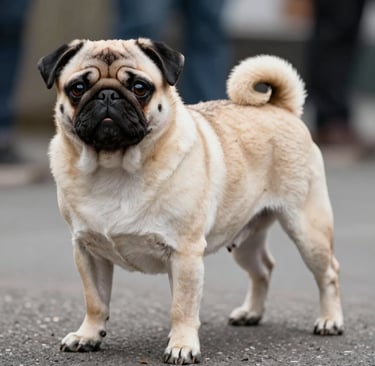
To be classified as a show-quality pug, specific physical traits must be strictly adhered to, as prescribed by established breed standards. The typical show pug is compact and robust, embodying the ideal size and weight parameters set forth by breed organizations. Ideally, a show-quality pug should weigh between 14 to 18 pounds and stand about 10 to 14 inches tall at the shoulder, presenting a well-proportioned and muscular appearance.
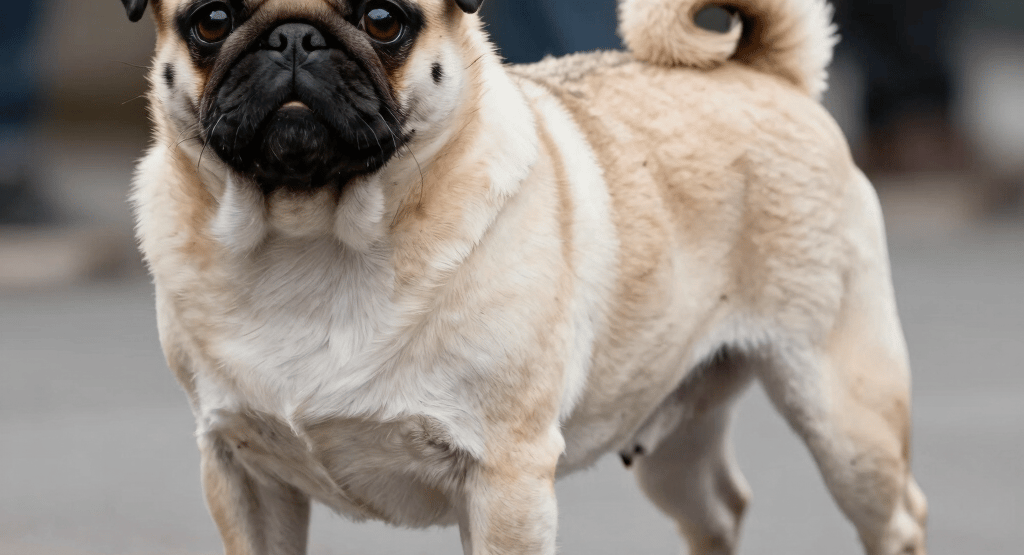
One of the most prominent characteristics of a pug is its unique facial structure. A show-quality pug should feature a wrinkled face that has well-defined folds, which are not overly deep yet characteristically prominent. The eyes should be dark, round, and expressive, conveying the dog’s charming and friendly disposition. It is important that the nose is short and pushed in, contributing to the breed’s signature look. The overall expression should be alert and endearing, showcasing the pug's playful nature.
The coat of a pug is also a significant aspect of its show-quality standards. It should be short, glossy, and smooth to the touch, with colors that typically range from fawn to black, brindle, or silver. Each color must have a consistent and uniform appearance without irregular patches. Furthermore, show-quality pugs possess a specific tail structure, which is typically curled over the back, where the tail’s tightness and the degree of curl are considered indicators of quality.
Other essential features include a well-rounded skull and a pronounced stop, which enhances the dog’s adorable appearance. Overall, these characteristics embody what constitutes a show-quality pug, aligning with the expectations of breed standards and helping to promote the integrity of this beloved breed.
Temperament and Behavior Traits
The temperament of a show-quality pug is of utmost importance, as it directly influences both the dog's performance in the ring and its overall appeal to judges. A pug that is friendly and sociable is likely to attract positive attention. These dogs are known for their affectionate nature, and this trait should shine through during competitions. Pugs should interact well with both their handlers and the audience, displaying a willingness to engage, which is essential in a show setting.
Furthermore, confidence is a crucial characteristic for show-quality pugs. A confident pug will handle the pressures of the show environment with grace, showcasing both its physical attributes and its charming personality. Exhibitors should work diligently to build their pug’s confidence through socialization and exposure to various environments. This can include introducing them to different people, other dogs, and various situations that mimic the excitement of a dog show.
Another behavioral aspect to cultivate is alertness. In the ring, judges are looking for pugs that are aware of their surroundings, attentive to their handlers, and responsive to commands. A pug that exhibits alertness will stand out, demonstrating readiness and enthusiasm. This trait can be reinforced through regular training sessions that encourage responsiveness while maintaining a relaxed demeanor.
Overall, the combination of a friendly disposition, confidence, and alertness creates a foundation for what is considered a show-quality pug. By focusing on these temperament and behavior traits, owners can enhance their pugs’ chances of success in the competitive world of dog shows.
The Importance of Conformation
Conformation refers to the physical structure and appearance of a dog, particularly in the context of dog shows. For pugs, achieving recognition for show quality largely hinges on their conformation, which encompasses various attributes that reflect the breed's standards. The significance of conformation in competitions cannot be overstated, as it directly influences a pug's eligibility and performance during judging.
An ideal show-quality pug possesses specific physical traits, including a compact, muscular body, a distinctively rounded head, and an abundance of facial wrinkles. The pug's conformation must adhere closely to established breed standards, which can differ slightly from one kennel club to another. Important characteristics include the proportion of the pug's body, the shape of its skull, and the alignment of its limbs. These features collectively contribute to the breed's intended appearance and functionality.
Moreover, gait and movement play pivotal roles in assessing a pug's conformation. A show-quality pug should exhibit a smooth, effortless gait that mirrors its well-balanced structure. Observers evaluate how the pug moves—whether it is agile, confident, and free of restrictions. Such attributes not only impact performance on the competition floor but also provide insights into the overall health and temperament of the pug.
As conformation is crucial for participating in dog shows, breeders and owners must prioritize adhering to these standards. Understanding and fostering the ideal physical traits ensures that pugs are well-prepared to compete effectively in the show ring. Ultimately, the emphasis on conformation reinforces the importance of preserving breed integrity and promoting the pug as a show-worthy companion.
Evaluating Pugs Against Breed Standards
When evaluating a pug for show quality, it is essential to reference the official breed standards set by recognized dog organizations. A thorough understanding of these standards is necessary to determine whether the pug possesses the desired physical attributes and behavioral characteristics. Start by examining the pug's overall appearance, ensuring that it adheres to the breed's hallmark features, such as the compact frame and well-defined wrinkles.
Physical assessment begins with the head, which should be large and rounded, complemented by a short muzzle. Look for a well-defined stop and a square jaw. The eyes must be dark and large, embodying an expressive, alert demeanor, while the ears should be thin, soft, and curl back or lay flat against the face. Also, evaluate the body by ensuring it displays a sturdy and muscular build. The back should be short and straight, with a deep chest and a well-structured tail that curls tightly over the back.
An important aspect of evaluating a pug for show quality involves examining its movement and comportment. A show-quality pug should exhibit a confident attitude and a lively gait. Observe how the pug interacts with its environment, noting its social behavior. It is crucial for the pug to demonstrate poise and assurance while being handled by judges. Pay attention to grooming as well, as a well-maintained coat showcases the owner's commitment to adhering to health and aesthetic standards; this includes ensuring the coat is clean, free of parasites, and well-brushed.
In summary, evaluating a pug for show quality requires a comprehensive approach that encompasses physical traits, movement, and behavior. By following these guidelines and keeping the breed standards in mind, aspiring pug owners and breeders can select exceptional specimens capable of excelling in the show ring.
Grooming and Care for Show-Quality Pugs
To ensure a pug stands out in the show ring, dedicated grooming and care practices must be implemented. One crucial aspect involves maintaining the pug's vibrant coat, which can greatly influence overall presentation. Pugs have a short, dense coat that requires regular brushing, ideally once or twice a week. This helps to minimize shedding and remove loose hair, which not only keeps the coat looking its best but also supports skin health by preventing matting and irritation.
Bathing should occur every few months or as needed, considering factors such as the pug's activity level and environment. Using a gentle, dog-specific shampoo can help preserve the natural oils in the pug's skin, ensuring that the coat remains healthy and shiny. Drying should be conducted carefully to avoid moisture accumulation, particularly in the facial folds which can lead to skin infections.
Dental health is another critical factor in maintaining an overall show-quality appearance. Regular brushing of a pug’s teeth—ideally daily but at least a few times a week—can prevent dental diseases and bad breath. In addition, providing dental chews or toys can aid in keeping a pug's teeth clean. Annual veterinary check-ups should include dental assessments to address any potential issues that may arise.
Another essential routine is the care for the pug's ears and eyes. Regular inspection for cleanliness and signs of infection can prevent health problems that may detract from their show appeal. Also, maintaining appropriate nail length is essential, as overly long nails can affect a pug's stance and movement, both of which are critical in the show ring.
Overall, adopting these grooming and care practices not only enhances the pug's physical presentation but also contributes to their overall health, helping to ensure they are show-ready at all times.
Conclusion: The Journey to Becoming a Show-Quality Pug Owner
Owning a show-quality pug is a rewarding commitment that goes beyond simply possessing a pet; it is about nurturing a budding champion. Understanding the breed standard is fundamental for potential pug owners aspiring to compete in dog shows. By familiarizing themselves with the essential characteristics of a show-quality pug, such as structure, movement, and temperament, owners can set realistic expectations for their pets.
The journey to training a show-quality pug encompasses dedication and patience. Basic training is not just an introduction to obedience but also a vital foundation for more advanced skills required in the show ring. Consistency in training, paired with positive reinforcement techniques, fosters a trusting relationship between the owner and the pug, which is paramount in dog shows. Additionally, regular socialization exposes the pug to various environments, ensuring they are well-adjusted and comfortable in different settings, a critical factor for show success.
Maintaining the pug's health is another crucial element. Regular veterinary check-ups, a well-balanced diet, and appropriate exercise keep the pug in optimal shape. Grooming and presentation play pivotal roles; a well-groomed pug stands out in the ring. Likewise, educating oneself on the specific needs of the pug breed contributes to a healthier and happier dog, further enhancing show performance.
Ultimately, the aspiration to raise a show-quality pug is a journey filled with learning opportunities and experiences. Embrace the process, as it not only enhances the owner-pet relationship but also instills a sense of pride when presenting a well-prepared pug at dog shows. Committing to this journey signifies a passion for the breed and a desire to witness one's pug flourish as a standout competitor.