Black Pug vs. Fawn Pug: Temperament & Pug Coat Color
Explore the differences between black pugs and fawn pugs. Discover how pug coat color may influence temperament and personality traits in these beloved dog breeds.
5/11/20268 min read
Introduction to Pug Colors
Pugs are a charming and lively breed, distinguished by their distinctive appearance and playful nature. Among the numerous characteristics that define pugs, their coat color stands out as a significant aspect. The two primary coat colors that pugs exhibit are black and fawn. Each color presents its own unique aesthetic and is often perceived differently by potential pug owners.
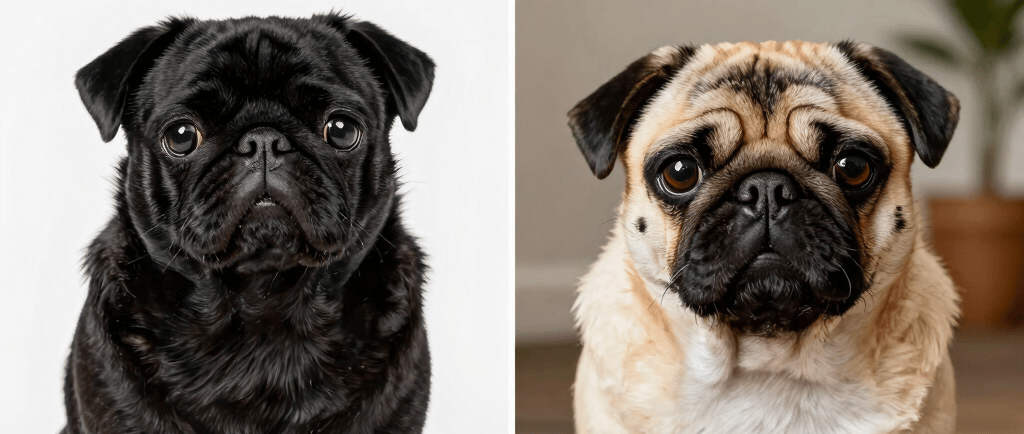
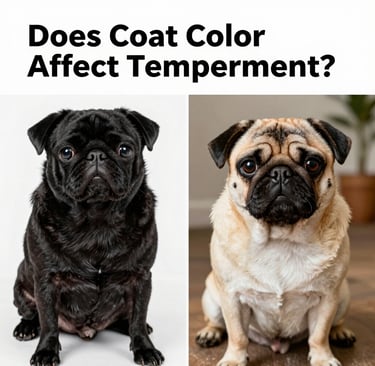
The fawn pug is perhaps the most recognized variant, boasting a classic sandy hue that can vary in intensity from pale cream to a deeper, golden tone. This color is often complemented by a black mask covering the face, which further enhances the pug's expressive features. On the other hand, the black pug is a striking presence with its sleek, ebony coat that shines under the light. Both colors share the same characteristic coat texture; the pug’s short, glossy fur is known for being easy to maintain.
When it comes to temperament, it is important to note that coat color does not inherently dictate personality traits. Pugs, regardless of whether they are black or fawn, are generally known for their affectionate and sociable nature. They enjoy being around people and often thrive in family environments. However, individual personality can be influenced by various factors such as environment, upbringing, and socialization rather than coat color alone.
In exploring the differences in coloration and their potential effects on behavior, it is crucial to approach this topic with an understanding that personal experiences may vary widely. Prospective pug owners might find that their specific dog’s temperament may not conform to prevailing stereotypes based purely on color, making it essential to assess each pug as an individual.
Understanding Pug Temperament
Pugs are renowned for their unique blend of traits that combine to create a highly amiable and endearing temperament. One of the most notable characteristics of pugs is their affectionate nature. They thrive on human companionship and are known to form close bonds with their owners, often seeking out physical affection through cuddling and playful interactions.
Playfulness is another prominent feature of the pug's personality. These dogs are known for their lively and spirited demeanor, frequently engaging in antics that entertain both themselves and their families. This playful behavior is often coupled with a gentle disposition, making pugs particularly well-suited for families with children or other pets. Their playful nature ensures that they remain a vibrant presence in any household.
Loyalty is a defining trait of pugs, as they are incredibly devoted to their human companions. This unwavering loyalty manifests in their desire to stay close to their family members, often following them around the home. Such a characteristic can make pugs excellent emotional support dogs, as their protective instincts come to the fore when they sense their owner's distress.
While generally well-tempered, it is important to note that pugs can exhibit behavioral tendencies influenced by their environment and upbringing. Consistent training and socialization are crucial in fostering a well-rounded pug that exhibits positive behaviors. When raised in a loving environment, pugs tend to be social, confident, and adaptable, further emphasizing their unwavering affection and playfulness.
Understanding these core temperament traits is essential for prospective pug owners. The affectionate, playful, and loyal disposition of pugs creates a unique bond with their families, making them delightful companions and cherished members of any household.
The Science of Color and Behavior
The relationship between coat color and behavior in dogs has been a topic of interest among dog owners, breeders, and scientists alike. While anecdotal evidence suggests that various breeds may exhibit different temperamental characteristics influenced by their pigmentation, scientific research on this matter remains limited. This is particularly true in the case of pugs, where the distinct black and fawn coats present an opportunity to explore possible behavioral variations.
One theory posited by researchers is that coat color may serve as a proxy for genetic variations that could influence behavior. For instance, the genes that determine a dog’s coat color could simultaneously impact the development of neurobiological traits leading to specific behavioral tendencies. Some studies have suggested that lighter-colored dogs, generally perceived as more approachable, may experience different social interactions than their darker counterparts, which could ultimately shape their temperament.
Moreover, there is a broader context regarding dog breeds and color-based behavior that needs consideration. While the perception of temperament is often subjective, certain dog breeds might exhibit tendencies associated with their coat color due to selective breeding practices. Pugs, regardless of their coat color, are typically characterized by sociability, playfulness, and a tendency to form strong bonds with their human companions.
A survey conducted among pug owners revealed mixed opinions regarding the correlation between coat color and temperament. Some reported that their black pugs were more reserved while fawn pugs appeared to be more outgoing. However, these observations lack empirical backing, as individual variability within any breed can often outweigh the influences of coat color.
In conclusion, while scientific inquiry into the relationship between coat color and behavior in pugs is ongoing, current evidence remains inconclusive. The discussions surrounding this topic highlight the complexity of canine behavior and the many factors, beyond just coat color, that contribute to a dog's temperament.
Black Pugs: Unique Characteristics and Temperament
Black pugs possess not only a distinctive coat color but also a series of unique characteristics that contribute to their overall temperament. Though the differences between black and fawn pugs are largely cosmetic, the perceptions surrounding their appearance can influence how they are viewed as pets. Black pugs generally have a glossy, dark coat that may evoke a sense of mystery and allure, leading some to perceive them as more sophisticated or dignified compared to their fawn counterparts.
From a temperament standpoint, black pugs are known for their affectionate and friendly nature. They typically form strong bonds with their families and are known for being loyal companions. This breed is characterized by its playful demeanor, often exhibiting a clownish attitude that can delight their owners. Black pugs tend to be social animals and enjoy interacting with both people and other pets, making them excellent family dogs. Their charming personality can easily draw attention, making them popular choices for dog lovers.
While some believe that coat color might affect temperament, studies have shown that such variables are largely influenced by individual upbringing and genetics rather than the pigmentation itself. However, black pugs can sometimes be perceived as more serious or reserved due to their darker appearance, which may be misleading. Observers often attribute specific qualities to them based solely on color, which may not reflect the true nature of the animal.
In terms of quirks, black pugs are often known for their expressive faces and amusing behaviors. Their endearing antics can make them a joy to have around, and they often thrive on positive reinforcement and social interaction. Overall, the black pug combines beauty and quirky charm with a temperament that is generally characterized by affection, playfulness, and a deep-rooted need for companionship.
Fawn Pugs: Unique Characteristics and Temperament
Fawn pugs, characterized by their light beige coats with distinct black facial markings, possess a unique set of traits that contribute to their appeal as companions. Known for their amicable nature, these pugs are often described as affectionate, cheerful, and eager to please. Their temperament is generally friendly, making them sociable pets that thrive in environments filled with family interaction.
One notable characteristic of fawn pugs is their energetic disposition. While not as hyperactive as some larger breeds, they retain a playfulness that endears them to both children and adults alike. Despite their small stature, they exhibit a confident demeanor and often take on the role of a playful leader during playtimes. This behavior can sometimes lead to a strong-willed personality, which requires consistent and gentle training methods to ensure proper behavior.
Additionally, fawn pugs tend to display a strong attachment to their human companions. This loyalty is often evident in their desire to be included in family activities, making them excellent companions for those seeking a pet that enjoys social engagement. Unlike their black counterparts, whose personalities may vary more significantly, fawn pugs generally maintain a uniform temperament that can be predictable and consistent. However, it is essential to note that individual personality can vary widely among pugs, regardless of color.
The fawn pug's approach to interaction often includes humorous antics and playful behavior, which not only entertain but also reinforce their bond with owners. While they may sometimes exhibit stubbornness, their affectionate temperament makes training sessions both rewarding and engaging. Overall, fawn pugs offer a charming mix of loyalty, playfulness, and affection, making them beloved companions in many households.
Expert Opinions and Anecdotal Evidence
To better understand the relationship between coat color and temperament in pugs, it is insightful to consider the experiences of veterinarians, dog trainers, and pug breed experts. Many professionals acknowledge that while coat color in pugs may not directly determine the behavior, individual personality traits can emerge among different color variations.
Dr. Emily Chase, a veterinarian with over a decade of experience treating pugs, notes that while the breed as a whole is known for its friendly and sociable nature, she has observed subtle differences in temperament based on color. "In my practice, I have seen fawn pugs generally exhibit a more playful demeanor, whereas black pugs can come across as slightly more reserved. However, these are just observations and can vary from dog to dog. Personality ultimately depends on upbringing and socialization, not just color," she explains.
Additionally, dog trainer Lisa Monroe shares her practical insights from training sessions with pugs of both colors. "I have trained numerous fawn and black pugs. I've found that fawn pugs tend to respond more quickly to commands, likely because they’re eager to please and more attuned to their owners. Black pugs, on the other hand, may exhibit a stubborn streak, likely stemming from their strong-willed personality. However, this does not make them any less loving or affectionate," she states.
Personal anecdotes also contribute to this discussion. Many pug owners highlight their personal experiences of owning both coat colors and their varying personalities. One owner remarks, "My fawn pug is incredibly energetic and playful, while my black pug enjoys lounging around and being a couch potato. They both bring joy, but their temperaments are distinct." This sentiment is echoed among multiple pug enthusiasts, indicating that while coat color may present observable differences in behavior, it may ultimately boil down to the individual pug's character and environmental influences.
Conclusion: Color vs. Personality in Pugs
When analyzing the relationship between coat color and temperament in Pugs, it becomes evident that personality traits are not solely dictated by appearance. Both black and fawn Pugs possess unique characteristics, yet extensive research and observations have shown that these traits are more influenced by individual genetics, upbringing, and socialization rather than coat color alone.
The temperament of a Pug—whether it is playful, affectionate, or reserved—can vary widely within each color group. Factors such as environment, training, and the amount of interaction with humans and other pets play a crucial role in shaping a Pug's personality. It is essential to recognize that each dog is an individual, with its own preferences and behaviors that may not conform to breed stereotypes or color expectations.
Therefore, potential Pug owners should focus on these individual personality traits when selecting a companion rather than fixating solely on whether the dog is black or fawn. Evaluating each Pug's demeanor during interactions and assessing their compatibility with your lifestyle will yield a more suitable match. By prioritizing personality over color, you ensure a harmonious relationship with your future furry friend.
In summary, while coat color in Pugs—be it black or fawn—adds to their visual charm, it is the individual temperament and personality that truly define their character. Emphasizing these attributes will help potential owners make more informed decisions, ultimately leading to a rewarding experience with a beloved pet.