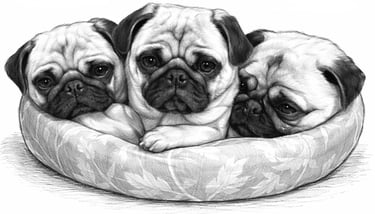
Why Your Pug Follows You Everywhere
Explore the reasons behind your pug's attachment and behavior. Understand why your pug follows you everywhere and how to strengthen your bond while addressing separation issues.
5/11/20268 min read
The Pug’s Nature: A Brief Overview
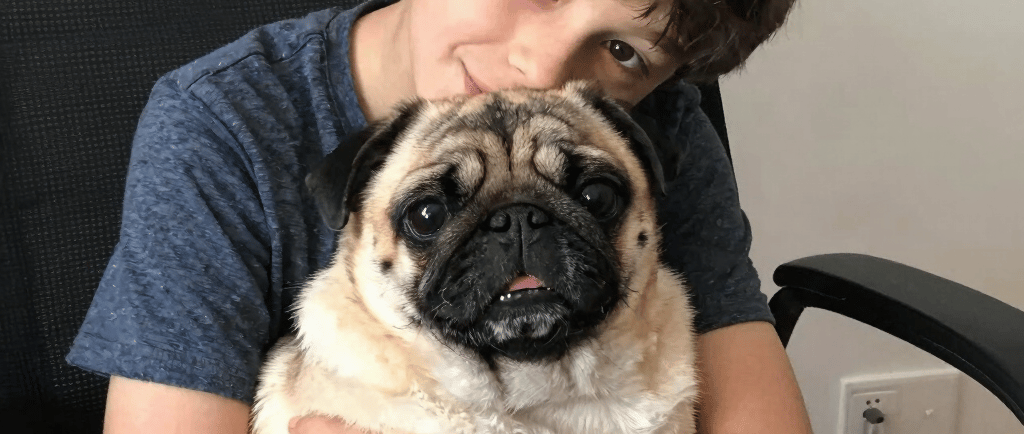
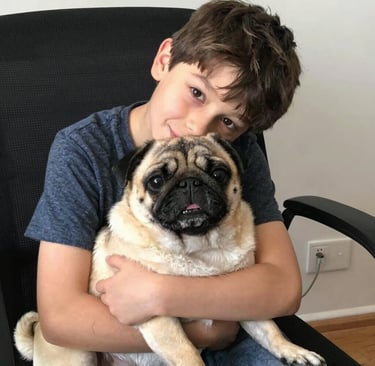
Pugs are distinctive canines that belong to the toy group, characterized by their charming appearance and amiable disposition. Known for their wrinkled faces, short snouts, and tightly curled tails, these dogs have a long-standing history as companion animals. Originating in China, the pug was esteemed by royalty, often being depicted in artwork and embraced as a cherished pet within noble households. This historical background plays a significant role in understanding the reasons behind their affectionate behavior and tendency to form close bonds with humans.
The lineage of pugs as companions is critical to interpreting their attachment to their owners. These animals have been bred for companionship, which has woven loyalty and sociability into their genetic fabric. Their innate desire to be near their humans stems not just from habit, but from a deeper instinct to maintain close social ties. This explains why many pug owners report that their pets tend to follow them throughout the home, seeking their presence and attention at every turn.
In addition to their history, pugs possess a unique temperament that influences their behavior. They are typically characterized by a lively personality, coupled with a gentle demeanor, making them ideal companions for families and individuals alike. The pug's friendly disposition encourages interaction, leading them to enjoy being involved in family activities. This trait not only fortifies their bond with humans but also enhances their adaptability within various social settings. Consequently, pugs not only seek physical closeness but thrive on emotional connections, often reflecting the sentiments of their owners.
Overall, understanding these intrinsic traits of pugs can illuminate the reasons behind their behavior, particularly their tendency to follow their owners closely. This attachment is not merely a preference; it is deeply embedded in their nature and historical role as beloved companions.
Pack Mentality and Social Behavior
Understanding the pack mentality of dogs, particularly pugs, offers valuable insights into their behavior and social interactions. Pugs, like many dog breeds, are inherently social creatures that thrive on companionship. This social nature stems from their ancestral lineage, where dogs were pack animals, relying on close-knit groups for survival and support. As such, when your pug follows you everywhere, it is not simply a case of affection; rather, it emanates from their instinct to be part of a cohesive unit.
The concept of pack mentality indicates that dogs perceive their human family as their pack. Within this context, a pug's attachment to their owner signifies a deep-rooted need for companionship, security, and social interaction. Pugs often exhibit a strong desire to remain close to their human companions because they feel more secure when surrounded by their 'pack.' This behavior is particularly noticeable in pugs, who thrive on the human-dog bond and can develop strong attachments to their caregivers.
Additionally, pugs are known for their playful and affectionate demeanor. They often seek out their owners not only for comfort but also for engagement in playful activities. This behavior reinforces their need for socialization and close contact with their human family members. By following their owners, pugs seem to communicate a clear message: they value their relationship, and being near their pack provides emotional stability.
In summary, the pack mentality in pugs explains their tendency to follow their owners closely. This behavior highlights their fundamental need for companionship and the emotional bonds they develop with their families. Acknowledging and understanding this aspect of pug behavior can contribute to a more harmonious living environment, as owners respond to their pugs' social needs.
Forms of Attachment: Understanding Your Pug's Behavior
Pugs are known for their affectionate nature and strong bond with their owners. One of the most noticeable behaviors exhibited by pugs is their tendency to follow their owners everywhere. This indicates several forms of attachment, which can reflect their emotional needs and deeper connections. Firstly, loyalty is a significant aspect of a pug's character. These companion dogs have been bred for companionship, and their devotion can manifest in behaviors such as shadowing their owners. This need for closeness can provide a sense of security to the pug, as they thrive on the presence of their human counterparts.
In addition to loyalty, it is essential to consider that pugs may also exhibit attachment due to anxiety. Being sensitive creatures, they may feel anxious when apart from their owners. This attachment can arise from their experiences or changes in the household. For instance, if a pug has previously experienced abandonment or significant changes, they may develop a cautious demeanor, leading them to follow their owner closely to alleviate their unease. Observing their body language can provide insights into their feelings. Signs of anxiety may include tail tucking, whining, or even seeking physical contact.
Furthermore, the need for security plays a crucial role in why pugs follow their owners. For many pets, including pugs, the presence of their owner represents comfort and stability. By staying close, they can feel protected and more confident in their surroundings. This desire for security is particularly pronounced in pugs, given their historical role as companion animals. Understanding these various forms of attachment is vital for any pug owner, as it helps foster a nurturing environment that caters to their emotional well-being.
Health Considerations: When Following Becomes a Concern
Pugs are known for their affectionate nature and their tendency to follow their owners closely. However, in some cases, persistent following behavior may be indicative of underlying health concerns or anxiety. It is essential for pug owners to be aware of the signs that may suggest their dog is experiencing distress. If a pug follows its owner excessively and exhibits other unusual behaviors, it could be a call for attention to their health.
One potential issue to consider is anxiety. Pugs can be prone to separation anxiety, which may result in a heightened need to remain close to their owners, especially when they feel insecure or unsettled. Signs of anxiety in pugs may include pacing, excessive barking, or destructive behaviors when left alone. Additionally, if the following behavior is accompanied by signs of distress, such as trembling or an inability to relax, this could indicate a deeper issue.
Another health consideration involves physical discomfort or illness. Conditions such as pain from arthritis or gastrointestinal discomfort can lead a pug to seek the reassurance and comfort of their owner's presence as a coping mechanism. It is vital to observe if the behavior is newly developed or has intensified over time, as changes in behavior can often signal health problems that require veterinary attention.
If a pug's following behavior is concerning or if there are additional symptoms present, consulting a veterinarian is paramount. A thorough examination and discussion of behavioral changes can help identify any underlying health issues. Early intervention can significantly improve a pug's quality of life and ensure that their emotional and physical needs are met effectively.
Creating a Comfortable Space: The Importance of Independence
Understanding your pug's behavior can help you create an environment that supports both companionship and independence. Pugs are known for their affectionate nature, and they often desire to be close to their owners. However, it is essential to foster their sense of autonomy to ensure a healthy balance in your relationship. Encouraging your pug to feel comfortable in independent spaces around the house can be achieved through several strategies.
Firstly, designate specific areas in your home where your pug can retreat to relax. This could be a cozy dog bed in a quiet corner or a crate that is always open and associated with positive experiences. By making these spaces inviting, your pug is more likely to feel secure enough to spend time alone, engaging with toys or simply enjoying their surroundings.
Secondly, consider incorporating interactive toys that stimulate your pug's mind when they are in their independent space. Puzzle toys or treat dispensers can occupy their attention and promote self-entertainment. This not only provides mental enrichment but also encourages your pug to explore their own interests, thereby reducing dependence on your constant presence.
Additionally, gradually increase the time your pug spends in these designated areas. Start with short periods of separation while you are still nearby, and progressively lengthen this duration. Always reassure your pug with praise upon their return to you. This process will help build their confidence in being independent, reinforcing the understanding that it is perfectly fine to enjoy time apart from you.
It is crucial to remember that while fostering independence, the bond between you and your pug should not diminish. Regular quality time spent together, engaging in activities or training, will ensure that your pug continues to feel loved and secure in your presence. Striking this balance is paramount, as it ultimately leads to a more content and emotionally healthy pet.
Engagement Activities: Keeping Your Pug Stimulated
Understanding your pug's attachment behavior is essential to nurturing its mental and emotional health. One effective strategy to reduce your pug's tendency to follow you everywhere is by incorporating engaging activities that stimulate its mind and body. Interactive toys are an excellent option for keeping your pug engaged while you work or attend to other tasks around the house. These toys can respond to your pug's actions or require it to solve a puzzle to receive a reward, which promotes mental stimulation.
Puzzles specifically designed for dogs can be another wonderful resource. These toys often require your pug to figure out how to access treats or toys hidden within the game. By focusing on achieving the reward, your pug's attention will shift away from following you around to solving the puzzle. Additionally, rotational play with various toys prevents boredom and helps sustain your pet's interest, making it a valuable part of your routine.
Exercise sessions are equally vital for your pug's well-being. Regular physical activity not only helps maintain a healthy weight but also provides an outlet for pent-up energy, which can lead to excessive following behavior. Engage your pug with daily walks, playtime with other pets, or even participating in dog sports such as agility training. This not only fulfills their need for exercise but also strengthens the bond between you and your pug.
Incorporating training sessions can also provide mental engagement. Teaching your pug new commands or tricks keeps its cognitive skills sharp while providing a sense of accomplishment. This structured interaction can lead to a healthier relationship, as your pug learns to derive satisfaction from these activities rather than focusing solely on your presence.
Conclusion: Embracing the Pug's Personality
In understanding the attachment behaviors of pugs, it is vital to recognize that these actions stem from their innate personality traits. Pugs are known for their affectionate and sociable nature, which means that they frequently seek the companionship of their human guardians. When your pug follows you everywhere, it is not merely a quirk; rather, it signifies their deep bond and dependence on you as their caregiver. This behavior is a manifestation of their loyalty and desire for close interaction.
Furthermore, it is important to appreciate the factors that contribute to this attachment. Pugs are bred as companion animals, which enhances their need for social interaction and emotional engagement with their owners. Understanding the reasons behind your pug's behavior can lead to a more rewarding relationship, allowing you to embrace their unique personality fully. By offering consistency, attention, and affection, you foster a secure environment where your pug can thrive.
As a pug owner, acknowledging and embracing your pet's attachment not only strengthens your bond but also enriches the overall experience of pet ownership. Accepting their need for closeness and playtime can cultivate a fulfilling relationship full of joy and companionship. This connection is not simply about meeting physical needs but about forming a lasting emotional partnership. Ultimately, recognizing your pug's quirky behaviors and responding to them positively prepares you for a nurturing journey with your beloved pet. Their endearing nature will remind you of the joy that comes from shared experiences and the unconditional love that pets bring into our lives.