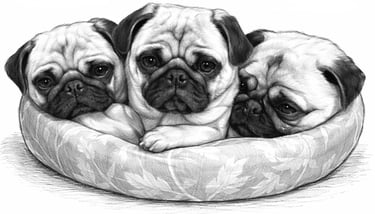
Pug Hip Dysplasia Symptoms & Treatment Guide
Learn about pug hip dysplasia symptoms, including common symptoms and effective treatment options. Discover how to care for your pug and improve their quality of life.
5/10/20267 min read


What is Hip Dysplasia?
Hip dysplasia is a common orthopedic condition in dogs, particularly affecting breeds like pugs. This hereditary disorder occurs when the hip joint does not fit properly into the hip socket, leading to an unstable joint. The condition can result in discomfort, pain, and decreased mobility over time. In pugs, whose stocky build and compact structure may exacerbate the issue, hip dysplasia can severely affect their quality of life.
The development of hip dysplasia is influenced by both genetic and environmental factors. Genetic predisposition plays a significant role, as hip dysplasia can be inherited from one or both parents. Responsible breeding practices that prioritize the health and genetic soundness of breeding pairs can help minimize the incidence of this condition. Additionally, environmental factors such as diet, exercise, and weight management are crucial in managing and potentially reducing the risk of developing hip dysplasia. An overweight pug, for example, places additional stress on their joints, exacerbating existing conditions.
Early detection is vital for effective management of hip dysplasia in pugs. Regular veterinary check-ups and routine screenings can help identify the condition early on, allowing pet owners to take preventive measures or discuss treatment options with their veterinarian. Pet owners should remain observant for signs such as difficulty in standing, reluctance to engage in physical activity, or changes in behavior. Recognizing these symptoms early can lead to timely intervention and can significantly improve the overall prognosis for pugs affected by hip dysplasia.
Common Symptoms of Hip Dysplasia in Pugs
Hip dysplasia is a common orthopedic condition in pugs, characterized by the improper formation of the hip joint. This malformation can lead to various symptoms that pet owners should be vigilant in identifying. One of the most noticeable signs of this condition is difficulty rising from a resting position. Pugs may take longer than usual to stand up, often displaying stiffness or discomfort in their hind legs.
Limping is another symptom that frequently occurs in pugs suffering from hip dysplasia. This uneven gait can become more pronounced after periods of physical activity, indicating that the affected joints are struggling with the exertion. Owners might also observe an unusual gait or a reluctance to perform tasks that were previously enjoyable, such as running or playing. This reluctance can often stem from pain or discomfort related to the hip joint.
Additionally, changes in behavior are commonly seen in affected pugs. For example, a previously active pug may become more sedentary, preferring to sit or lay down instead of engaging in play. Sudden behavioral shifts, such as increased irritability or guardfulness when touched around the hip area, can indicate underlying pain that requires further examination.
Moreover, pugs may exhibit a decreased interest in going for walks or participating in other forms of exercise they once enjoyed. This change is often due to stiffness or pain surrounding the hip joint, which can significantly affect their quality of life. If pet owners notice any combination of these symptoms, it is essential to consult a veterinary professional for a comprehensive evaluation and potential treatment options.
Diagnosing Hip Dysplasia in Pugs
Diagnosing hip dysplasia in pugs involves a comprehensive approach that combines physical examinations with advanced diagnostic techniques. Initially, veterinarians will perform a thorough physical examination, during which they will assess the dog's range of motion, gait, and the presence of any discomfort in the hip joints. This initial assessment can provide critical indicators of potential hip dysplasia symptoms.
Following the physical evaluation, radiographs or X-rays are often utilized to gain a clearer insight into the structural integrity of the hip joints. During this procedure, the veterinarian positions the pug to obtain images of the hips to measure the angle of the femur and evaluate the depth of the hip socket. X-rays enable the detection of joint laxity, which is characteristic of hip dysplasia, and allow the veterinarian to assess the severity of the condition accurately.
Moreover, in some cases, a veterinarian may recommend genetic testing, especially if there is a familial history of hip dysplasia within the breed. This testing can help identify predispositions toward the condition, aiding in early intervention and treatment planning. Furthermore, genetic testing can be beneficial for breeders to make informed decisions and minimize the risk of producing offspring with inherited hip problems.
Veterinarians may also compare the pug’s symptoms with established diagnostic criteria, such as the OFA (Orthopedic Foundation for Animals) guidelines or the PennHIP assessment protocol. Utilizing a combination of these diagnostic methods allows for a comprehensive evaluation of hip dysplasia in pugs, ensuring accurate diagnosis and appropriate management strategies to enhance the dog's quality of life.
Treatment Options for Hip Dysplasia in Pugs
Hip dysplasia is a common orthopedic condition affecting pugs, characterized by a malformation of the hip joint. When managing this condition, it is crucial to consider various treatment options tailored to the severity of dysplasia and the individual needs of the dog.
Initially, non-surgical treatments are often recommended. Medication plays a pivotal role in managing pain and inflammation associated with hip dysplasia. Non-steroidal anti-inflammatory drugs (NSAIDs) are frequently prescribed, helping to alleviate discomfort, while also improving mobility. Additionally, dietary supplements containing glucosamine and chondroitin sulfate can support joint health and enhance the quality of life for affected pugs. Weight management is another essential factor; maintaining an optimal body weight reduces stress on the joints and can alleviate symptoms significantly.
Physical therapy has been gaining popularity as a non-invasive treatment. Techniques such as hydrotherapy, massage, and targeted exercises can strengthen the surrounding muscles, improve flexibility, and enhance overall mobility in pugs suffering from hip dysplasia. Pet owners may also benefit from guidance by a veterinarian or a certified canine rehabilitation professional on how to implement a regular physical therapy regimen at home.
For pugs with severe hip dysplasia, surgical intervention may be necessary. Surgical options include procedures such as femoral head osteotomy (FHO) or total hip replacement. FHO involves removing the head of the femur, which can alleviate pain and restore function. On the other hand, total hip replacement offers a more permanent solution, involving the complete replacement of the defective joint with an artificial one. This procedure may require more extensive rehabilitation, but it often leads to a dramatic improvement in the dog’s quality of life.
Managing Hip Dysplasia Through Care
Managing hip dysplasia in pugs requires a comprehensive approach that integrates proper care, a balanced diet, and appropriate exercise routines. One of the pivotal aspects of this management is maintaining a healthy weight for your pug. Excess weight can exacerbate the symptoms of hip dysplasia, placing additional stress on the joints and potentially leading to increased pain and discomfort. Veterinary guidance can help determine the ideal weight for your pug, while regular weight checks can ensure they remain within this range.
A balanced diet plays a significant role in supporting hip health in pugs. It is important to provide a diet formulated with high-quality ingredients, carefully designed to meet the nutritional needs of dogs with hip dysplasia. Look for products that are rich in essential fatty acids, glucosamine, and chondroitin sulfate, as these nutrients can promote joint health and mitigate inflammation. It might also be beneficial to consult with a veterinarian regarding the most suitable diet or any specific supplements that could support your pug’s hip health.
Incorporating an appropriate exercise routine is equally crucial. While it may seem counterintuitive, regular, low-impact activities can actually help strengthen the muscles surrounding the hips, providing better joint support. Walks at a comfortable pace, swimming, and gentle playtime can keep your pug active without overexerting their joints. It is advisable to avoid vigorous activities that could lead to injury or strain, such as jumping or running on hard surfaces.
Overall, through attentive weight management, appropriate dietary choices, and a tailored exercise regimen, pug owners can effectively manage their pet's hip dysplasia. This comprehensive care strategy not only aids in minimizing symptoms but also enhances the quality of life for pugs living with this condition.
Preventative Measures to Reduce Risk
Preventing hip dysplasia in pugs necessitates a multi-faceted approach. One of the most effective ways to mitigate the risk of this condition is through responsible breeding practices. Potential pug owners should seek breeders who adhere to ethical breeding standards and conduct health screenings on their breeding dogs. This includes hip evaluations, which can help identify genetic predispositions toward hip dysplasia. Selecting a breeder who prioritizes the health of their puppies is paramount in decreasing the likelihood of this ailment.
In addition to selecting a responsible breeder, early detection of potential issues related to hip dysplasia plays a significant role in preventing further deterioration of your pug's health. Regular veterinary check-ups are essential, especially during the formative years of a pug's life. During these visits, veterinarians can assess the growth and development of your pug’s joints. Should there be any signs of discomfort or mobility issues, prompt diagnosis and intervention can be implemented, which may considerably reduce the progression of hip dysplasia.
Another crucial aspect in the prevention of hip dysplasia is maintaining a healthy weight for your pug. Obesity can put extra strain on the joints, thereby exacerbating any underlying issues related to hip dysplasia. A balanced diet and regular exercise are vital components of a pug's health regimen. Exercise routines should be tailored to suit the pug's age, weight, and overall fitness level, focusing on strengthening the muscles around the hips without causing undue stress. Careful attention to nutrition and physical activity can promote a long, healthy life for your pug.
When to Seek Veterinary Advice
As a pug owner, it is essential to be vigilant regarding your pet's health, especially concerning conditions like hip dysplasia. This orthopedic disorder can lead to significant discomfort and mobility issues if left unaddressed. Recognizing the signs that warrant a visit to the veterinarian is crucial in ensuring the well-being of your pug.
One of the primary indications that you should seek veterinary advice is noticeable limping or difficulty in walking. If your pug is reluctant to engage in physical activities or seems to struggle while climbing stairs, these behaviors may indicate joint discomfort often associated with hip dysplasia. Additionally, if you observe a decreased range of motion in the hind legs or unusual stiffness after periods of rest, it is advisable to consult a veterinarian.
Another critical sign is excessive grooming or licking around the hip area. This behavior can suggest discomfort or pain that your pug is attempting to alleviate on its own. Furthermore, changes in weight—whether gaining or losing pounds—can impact joint health and signify underlying issues that require professional evaluation.
Regular health check-ups are vital for all pets but are particularly important in breeds predisposed to hip dysplasia, such as pugs. These routine examinations allow the veterinarian to monitor physical condition and catch any emerging health problems before they escalate. Routine vet visits can help maintain not only your pug's hip health but overall wellness.
If you have concerns regarding your pug's movements, behaviors, or overall health, do not hesitate to contact your veterinarian. Early intervention is key to managing potential issues related to hip dysplasia and ensuring your pug leads a happy, active life.