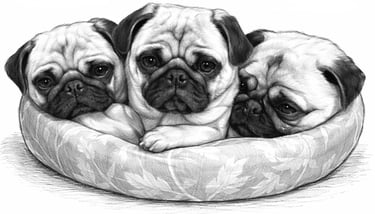
Why Is My Pug Licking Me So Much?
Discover the reasons behind your pug licking behavior. Learn why your pug may be licking you excessively and what it means for your furry friend. Explore insights into pug behavior and bonding.
5/10/20267 min read


Introduction to Pug Behavior
Pugs are a beloved breed known for their charming personalities and distinctive physical features. With a stocky build, a wrinkled face, and large expressive eyes, pugs have a unique appeal that captures the hearts of dog enthusiasts worldwide. These dogs are characterized by their playful nature and social temperament, making them great companions for families and individuals alike. Understanding pug behavior requires an appreciation for their history and inherent traits. Initially bred for companionship in ancient China, pugs thrive on human interaction and affection.
Like many dogs, pugs exhibit a range of behaviors that serve different purposes. One common behavior seen in pugs is licking. While this habit may seem trivial, it is important to recognize that licking serves various functions in canine behavior. Dogs, including pugs, may lick as a sign of affection, to show submission, or to communicate with their owners. This licking can often be seen as a way for pugs to express their love or to seek attention from their human companions.
Licking can also be a soothing behavior, helping dogs to calm themselves in stressful situations. Additionally, pugs often lick to explore their environment and gather information about their surroundings. However, it is crucial to differentiate between normal licking behaviors and excessive licking, which may indicate underlying issues such as anxiety or health problems. By understanding why your pug is licking you, you can strengthen your bond with your pet and address any potential concerns. Through this comprehensive overview of pug behavior, we can better understand and appreciate our furry friends, paving the way for a harmonious relationship.
The Science Behind Dog Licking
Understanding why dogs lick is essential in interpreting their behavior and communication. Biologically, dogs possess a highly developed sense of taste and smell, which encourages them to explore their environment through licking. The taste receptors in a dog’s tongue can detect various substances, enabling them to gather information about their surroundings, including the scents and flavors of their human companions.
Instinct also plays a significant role in the act of licking. For puppies, licking their mother serves a nurturing purpose; it facilitates bonding and encourages the mother to clean and care for them. This initial experience can carry over into adulthood, where licking becomes a way to express affection and form social bonds with humans. Dogs often lick to show loyalty, submission, or to elicit a response from their owners, reinforcing their social connection.
In terms of communication, licking can convey various emotions. When your pug licks you, it may be a way of seeking attention, showing affection, or simply exploring. Some dogs may lick when they are anxious or nervous, using the behavior as a self-soothing mechanism. This behavior can also be seen in situations where dogs observe their owners in distress, indicating a form of empathy or concern.
Moreover, licking can serve as a way for dogs to express their emotions or needs, whether it’s seeking play, demonstrating submission, or requesting affection. Understanding the reasons behind dog licking can help pet owners respond appropriately, fostering a stronger bond between the dog and its owner. By recognizing these behaviors, owners can better connect with their canine companions, ultimately enhancing mutual understanding and affection.
Licking as a Sign of Affection
Licking is a common behavior observed in dogs, and it often serves as an expression of affection towards their human companions. For many dog owners, a pug's frequent licking can be interpreted as an indication of love and emotional connection. Dogs, including pugs, are social animals that thrive on interaction, and licking is one of their primary ways of communicating this bond.
When a pug licks you, it can be seen as a form of affection reminiscent of how puppies maintain closeness with their mothers. In the canine world, licking not only provides comfort but also reinforces social bonds. This behavior is deeply rooted in their instinctual behavior, serving to punctuate the emotional relationship they share with their owners.
Furthermore, licking can release pleasurable endorphins, which ultimately contributes to a dog’s feeling of wellbeing. The act is, therefore, not only a statement of affection but also a self-soothing behavior that enhances the overall happiness of the dog. Through licking, your pug might also seek your attention or affection in return, reinforcing the mutual bond that exists between you.
In addition to affection, licking can play a role in the social dynamics of a household. Dogs often engage in licking behaviors as part of their interactions with other animals. Such actions can signify submission or respect among different dogs. When your pug licks you, it may also be a demonstration of loyalty and devotion, solidifying its place within the family hierarchy.
To gain a deeper appreciation for your pug's affection, it is essential to understand that licking serves multiple purposes. It transcends mere behavior; it is a heartfelt gesture that epitomizes the unique companionship forged between dogs and their owners.
Stress, Anxiety, and Licking
The behavior of excessive licking in pugs can often be linked to stress or anxiety. Pugs are sensitive animals, and they tend to react strongly to changes in their environment or routine. This can manifest in various ways, including licking at their owner's skin or other surfaces. Recognizing the signs of stress in your pug is crucial to addressing these behaviors effectively.
Common signs of stress in pugs may include restlessness, excessive barking, refusal to eat, or destructive behavior. When a pug is stressed, it may lick to self-soothe or seek comfort. This behavior can also be a method of communication, signaling to the owner that they are feeling anxious or uncomfortable. It is essential to observe the context in which the licking occurs; for instance, does it escalate when there are loud noises or unfamiliar individuals nearby? Understanding these triggers can help in managing your pet's anxiety.
There are several approaches that owners can take to alleviate their pet's stress. First, creating a calm environment is pivotal. This can involve establishing a routine that includes regular feeding times, walks, and play, which can provide a sense of stability for your pug. Additionally, incorporating relaxing activities such as gentle grooming or quiet time spent together can be beneficial for both the dog and the owner.
Furthermore, mental stimulation in the form of puzzle toys or training sessions can redirect nervous energy and ease anxiety. In some cases, consulting a veterinarian or a professional dog trainer may be necessary. They can provide guidance on behavior modification techniques or recommend treatments that can help manage your pug’s stress levels over time.
Health Issues Related to Excessive Licking
Excessive licking in dogs, such as your pug's incessant licks, can often be a response to underlying health issues. It is essential to recognize that behavior, as it may indicate discomfort or irritation. Common causes for this behavior can include allergies, skin irritations, and even infections. When a dog licks more than what is typical, it is crucial to observe the underlying reasons to determine if veterinary assistance is required.
Allergies are a frequent culprit behind excessive licking. Dogs can develop allergies to various substances, including food ingredients, pollen, dust mites, and certain materials. Allergic reactions can lead to itchy skin, prompting your pug to lick in a futile attempt to relieve the itchiness. Signs of allergy may include red skin patches, swelling, or hair loss. If you observe these symptoms alongside excessive licking, consulting with a veterinarian is advisable.
Another potential reason for your pug's licking could be skin irritations, which can arise from insect bites, dermatitis, or other skin conditions. These irritations often lead to inflamed skin, triggering your dog to lick in an attempt to soothe the area. Identifying the cause of skin irritations can require a thorough examination from a veterinarian, who may recommend treatments or dietary changes.
In severe cases, excessive licking could signal more serious issues, such as infections that necessitate immediate veterinary care. These infections may arise from bacteria, yeast, or parasites, leading to uncomfortable sensations for your pet. Therefore, it is crucial to monitor your pug for other signs, including changes in behavior, discomfort, or unusual odors that can indicate an underlying infection.
Managing Excessive Licking in Pugs
Understanding and managing excessive licking in pugs requires a thoughtful approach that incorporates training, distraction techniques, and engaging activities. First, it is crucial to be mindful of the triggers that may lead to excessive licking. For instance, licking may arise from anxiety, boredom, or the need for attention. Identifying these triggers can help you formulate an effective management plan.
One effective training method is to teach your pug an alternative behavior to licking. For instance, you can train your dog to respond to commands such as "sit" or "stay" when they attempt to lick excessively. This redirection not only provides your pug with an appropriate outlet for their energy but also reinforces good behavior through positive reinforcement. Reward them with treats or praise when they comply, which encourages them to repeat desired behaviors.
Another technique involves distraction. When you notice your pug starting to lick, you can redirect their focus by engaging them in play or giving them a toy. Puzzle toys or chew items can help keep their minds stimulated, decreasing the likelihood of licking. Additionally, involving your pug in interactive games like fetch or hide-and-seek can sufficiently divert their attention while also fostering a deeper bond between you and your pet.
Consistency is key when managing behaviors such as excessive licking. Establish a routine that incorporates regular exercise, playtime, and training sessions. This not only helps alleviate boredom but also satisfies your pug's physical and mental needs. If behaviors persist despite these efforts, consulting with a veterinarian or a professional dog trainer may be necessary to explore underlying health issues or behavioral concerns.
Conclusion and Final Thoughts
Understanding the behavior of your pug, particularly their tendency to lick, is vital for fostering a healthy relationship between you and your pet. Throughout this discussion, we have explored various reasons behind this common canine behavior, including affection, stress relief, and the instinctual need to explore their environment. Recognizing these motivations can enhance your ability to respond appropriately to your pug's needs.
Additionally, it is important to note that while licking is typically a benign behavior, it can sometimes indicate underlying issues, such as anxiety, boredom, or health problems. By observing your dog's licking habits and discerning the context—such as frequency and duration—you can better assess whether it serves a normal behavioral purpose or if it necessitates further investigation.
If you notice excessive licking that appears to cause distress for your pug or impacts their daily life, seeking professional assistance from a veterinarian or a canine behaviorist is advisable. These professionals can provide tailored advice and support, ensuring your pug leads a happy and healthy life.
Ultimately, being attentive to your pug’s behavior will not only aid in addressing their licking tendencies but will also deepen your connection with your pet. Remember, each pug is unique, and understanding their behavior is a continuous learning process. Foster sensitivity and observation, and you will cultivate a fulfilling companionship with your beloved furry friend.