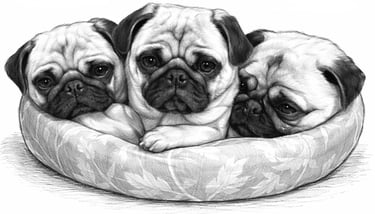
Pug Puppy Checklist: Essential Care Before Bringing Home
Discover the ultimate pug puppy checklist to ensure you're fully prepared before bringing your new pug puppy home. Learn about essential care tips, supplies, and everything you need for a happy, healthy pup.
5/11/20268 min read


Introduction to Pug Puppies
Pug puppies are renowned for their charming appearance and delightful personalities. With their distinctive wrinkled faces, stocky build, and curled tails, these small dogs exude a unique character that easily captivates the hearts of those around them. Originally bred in China as companions, pugs have maintained their affectionate nature through the centuries, making them one of the most beloved dog breeds worldwide.
One of the standout characteristics of pug puppies is their friendly demeanor. They are known for being sociable, playful, and very affectionate towards their owners. These traits make them excellent family pets, as they enjoy engaging with children and adapting well to various living situations, whether in a bustling household or a quieter environment. Their gentle temperament and loyalty also make them a great choice for first-time dog owners.
The popularity of pug puppies can be attributed to their endearing behaviors and the joy they bring to a home. They have a natural ability to lighten the mood with their playful antics and sociability. Pugs are often referred to as "clowns" in the canine world due to their penchant for entertaining and their comical, expressive faces. This blend of humor and loyalty fosters a deep bond between pug puppies and their families.
Bringing a pug puppy into your home can be a profoundly rewarding experience, offering companionship that enriches daily life. Their loving nature ensures that they are not just pets but become cherished family members. As you consider adding a pug puppy to your life, understanding their unique qualities and the joy they bring will help in making an informed decision, ensuring that both you and your new companion thrive together.
Preparing Your Home for a Pug Pup
Bringing a pug puppy into your home is an exciting venture that requires careful preparation. To create a pug-friendly environment, start by puppy-proofing your living space. This involves assessing all rooms for potential hazards. Ensure that small items such as coins, paper clips, or any small objects are out of reach, as pugs are notoriously curious and may ingest these items, leading to health issues.
Another critical step is to secure electrical cords, as puppies often chew on anything they can find. Use cord protectors to shield these cords or arrange them in a way that they are not easily accessible. Additionally, ensure that toxic plants or chemicals are removed or stored securely, ensuring your pug puppy cannot reach them. Items like cleaning supplies should be stored in cabinets that have childproof locks, further minimizing risk.
In tandem with safety, creating a comfortable space for your pug is essential. Set up a designated area with a cozy bed, which should be placed in a quiet part of your home to give your puppy a sense of security. Consider providing a warm, soft blanket as pugs enjoy snuggling up. Choosing the right toys is also vital. Look for toys that are specifically designed for small breeds and avoid those with small parts that could be a choking hazard.
Further, establish a routine feeding area with a dog bowl and select food that caters to the pug’s nutritional needs. Lastly, ensure that the space is easy to clean, as puppies can be messy. Regular cleaning will keep the environment healthy for your new companion. By proactively creating a safe and comfortable space, you enhance the wellbeing of your pug puppy and foster a harmonious living situation.
Essential Supplies for Your Pug Puppy
Preparing to welcome a pug puppy into your home requires thoughtful consideration of essential supplies. The first priority is a set of durable food and water bowls. These should be made of stainless steel or ceramic to ensure cleanliness and are sturdy enough to withstand your puppy's playful antics. Proper hydration and nutrition are critical for your pug's health, so investing in high-quality puppy food that caters specifically to their nutritional needs is equally important.
A crate serves as both a safe haven and a training aid. It is essential for housebreaking and helps to provide your pug with a sense of security. Ensure that the crate is appropriately sized, allowing enough space for your puppy to stand, turn around, and lie comfortably. Alongside the crate, a comfortable bed should be included to create a cozy environment where your puppy can rest.
No less important are the grooming tools tailored for a pug's unique coat. Pugs have a short, smooth coat that requires regular brushing to manage shedding and maintain healthy skin. Invest in a good quality brush to keep your puppy looking its best. Additionally, consider providing nail clippers and a dog-friendly toothbrush to promote good hygiene practices.
Collars and leashes are essential for safe outings. A well-fitting collar is crucial, not only for identification but also to ensure that your pug cannot slip away during walks. Choose a leash that offers control without being overly restrictive. Lastly, various toys are vital for mental stimulation and physical activity. Opt for chew toys to satisfy their natural instinct to chew and interactive toys that challenge their intelligence.
In summary, being well-prepared with these essential supplies is vital for providing a loving and supportive environment for your pug puppy. Each item plays a significant role in ensuring your puppy thrives in its new home.
Health Care and Veterinary Needs
As a responsible pug puppy owner, one of your top priorities should be the health care and veterinary needs of your new pet. From the moment you bring your pug home, you must ensure that he receives proper vaccinations, deworming treatments, and preventive care for fleas and ticks. These initial health measures are essential in protecting your pug against various illnesses and parasites that could affect his well-being.
Vaccinations typically commence as early as six to eight weeks of age. Common vaccinations for pug puppies include distemper, parvovirus, and rabies. These vaccines are crucial for building immunity and preventing potentially severe diseases. Your veterinarian will establish a vaccination schedule, which you should strictly follow. This regular consultation with a veterinarian is instrumental in maintaining your pug's health.
Deworming is another critical step in your pug puppy's health care routine. Puppies are prone to intestinal parasites, which can hinder their growth and overall health. Your veterinarian can recommend a suitable deworming schedule, often beginning as early as two weeks of age. Additionally, implementing flea and tick prevention is vital, particularly in warmer months when parasite activity is heightened.
Once you have selected a veterinarian, establishing a health care routine is imperative. Regular check-ups ensure that any health issues are detected early and addressed promptly. Most veterinarians recommend annual wellness exams, which may include vaccinations, physical examinations, and advice on dietary needs and exercise to keep your pug in optimal condition. Regular screenings for common pug-specific health issues can also be beneficial.
In summary, prioritizing your pug puppy's health care needs from the start is crucial for a long, happy life together. By being proactive and staying informed about vaccinations, deworming, and preventive measures, you lay a solid foundation for your pug's health and well-being.
Training and Socialization Basics
Training and socialization are crucial components in the development of your pug puppy. The early weeks of your puppy's life are vital for establishing behavioral patterns and social skills that will last a lifetime. By initiating a training routine, you promote good behavior and enhance the bond between you and your pug.
When starting with basic commands, focus on teaching your pug essential obedience skills such as "sit," "stay," and "come." These commands not only facilitate daily interactions but also ensure safety. Consistency is key; use positive reinforcement techniques such as treats or verbal praise to encourage desired behavior. Short, frequent training sessions are most effective, keeping your puppy engaged without overwhelming them.
Potty training is another essential aspect of preparing for your pug puppy's arrival. Establishing a designated potty area and a schedule can significantly aid in this process. Take your puppy out regularly, especially after meals or play sessions, and reward them for successful bathroom breaks. Accidents may occur, but maintaining patience and firmness will ultimately lead to a well-trained puppy.
Socialization is equally important in ensuring your pug becomes a well-rounded pet. Introduce your puppy to a variety of people, animals, and environments at an early age. Exposure to different situations helps reduce potential fear and anxiety later in life. Organize playdates with other vaccinated dogs and visit parks to allow your pug to interact with other pets and people. Gradually expose him to various sounds and experiences, helping him develop confidence and adapt to his surroundings.
Incorporating training and socialization into your pug puppy's life lays the groundwork for a happy, well-adjusted companion. With consistent effort and dedication, you can cultivate a loving, obedient, and social pet that enhances your family life.
Nutrition and Feeding Schedule
The nutritional needs of pug puppies are paramount for their growth, development, and overall health. As a toy breed, pugs require a diet that is specifically formulated to meet their energy requirements. High-quality puppy food is essential, containing a balanced mix of proteins, fats, carbohydrates, vitamins, and minerals. Look for options that list meat as the first ingredient and avoid fillers such as corn and soy, which provide little nutritional value.
Feeding schedules for pug puppies typically consist of three to four meals a day until they reach six months of age. After this period, you can gradually transition to two meals a day. Maintaining a consistent feeding schedule aids in better digestion and helps to establish a routine for your puppy. It is also crucial to monitor portion sizes, as overfeeding can lead to obesity, a common concern among pug breeds.
When considering the right portion sizes, refer to the feeding guidelines provided by the dog food manufacturer, adjusting based on your puppy's age, weight, and activity level. As pugs are prone to certain health issues, such as hip dysplasia and respiratory problems, monitoring their diet becomes all the more important. Incorporating a variety of supplemental foods, such as vegetables and occasional treats, can provide additional nutrients while keeping the meals exciting.
A balanced diet not only supports a pug puppy’s physical growth but also plays a significant role in their cognitive development and overall well-being. It is advisable to consult a veterinarian for personalized recommendations tailored to your pug puppy’s individual needs. By prioritizing proper nutrition and a structured feeding schedule, you can foster a healthy start for your beloved pug.
Fun Activities and Bonding Time
Establishing a strong bond with your pug puppy is essential for both you and your new companion. Engaging in fun activities not only fosters a solid relationship but also provides mental stimulation for your puppy. One of the most enjoyable activities is playtime, which can include a variety of toys such as plush squeaky toys or durable chew items. Pugs, known for their playful and affectionate nature, thrive in environments where they can explore their surroundings and unleash their energy.
Another great bonding activity is regular walks. Taking your pug puppy for walks is an excellent way to experience the great outdoors together while also allowing your puppy to socialize with other dogs and people. Ensure that you have a comfortable harness and leash, designed to cater to pugs' unique body structure. During walks, interact with your puppy by encouraging him to sniff new scents and explore different terrains.
Interactive games are also a wonderful way to connect with your pug. Hide and seek, for instance, is a captivating game to spark your puppy’s curiosity. You can hide treats around your home or garden and encourage your pug to find them. This not only reinforces training commands but also satisfies their natural instincts. Puzzle toys, which challenge your pug to figure out how to retrieve a treat, are another engaging option that promotes mental agility.
By incorporating these fun activities and bonding exercises into your routine, you create a strong foundation for an affectionate and obedient relationship with your pug puppy. Remember that the key to a lasting bond is patience, consistency, and plenty of love. Your pug puppy will appreciate the time you invest in building your connection together, paving the way for countless joyful moments ahead.