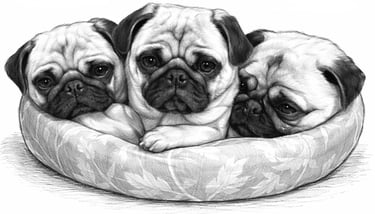
Pug Separation Anxiety: Effective Solutions
Discover effective solutions for pug separation anxiety to help your dog feel safe and secure. Learn how to manage and alleviate anxiety in dogs with our expert tips and advice.
5/10/20267 min read


Understanding Pug Separation Anxiety
Separation anxiety is a common behavioral issue in dogs, characterized by an excessive and often irrational fear of being apart from their owners. Pugs, in particular, are known for their strong attachment to their human companions, making them susceptible to this condition. Understanding the nuances of pug separation anxiety can help pet owners recognize and address this troubling behavior.
The signs of separation anxiety in Pugs can manifest in various ways, often including vocalization, destructive behaviors, and excessive pacing. When left alone, a Pug might bark or whine continuously, seeking to signal distress to their owner. Additionally, some Pugs may engage in destructive chewing or digging, which they may resort to as a coping mechanism to alleviate their anxiety. Other symptoms can include urinating or defecating in the house despite being house-trained, as well as loss of appetite when the owner leaves.
Pugs are particularly prone to separation anxiety due to their social and affectionate nature. They thrive on human interaction and can become visibly distressed when separated from their owners. This breed often forms strong emotional bonds, and when those bonds are disrupted, it can lead to significant anxiety. Furthermore, many Pugs have been bred to be companion animals, which means they have a heightened need for companionship and can struggle when left alone.
Several factors may contribute to the severity of separation anxiety in Pugs, including their age, past experiences, and overall temperament. Understanding these factors can be instrumental in creating a constructive environment for pet owners seeking to help their Pug feel safe and secure, even in the absence of their human companions.
Identifying Triggers and Symptoms
Separation anxiety is a common issue among Pugs, often triggered by various factors that can leave them feeling unsettled when left alone. Understanding these triggers is essential for dog owners striving to create a safe environment for their pets. There are several potential triggers for separation anxiety, including changes in routine, relocation to a new home, or even alterations in the household structure, such as a family member moving out or a new baby arriving. These disruptions can leave your Pug feeling insecure and anxious.
To detect whether your Pug is suffering from separation anxiety, it is crucial to observe specific symptoms. Excessive barking is one of the most recognizable signs, often manifesting when the owner prepares to leave or while they are away. This behavior is not merely vocalization; it signifies distress and the need for companionship. Meanwhile, destructive behavior may present itself through chewing furniture, scratching at doors, or damaging household items. Such actions are not just a nuisance but indicate that your Pug is struggling to cope with their solitude.
Additionally, an attempt to escape can be a prominent symptom of separation anxiety. If your Pug is trying to break free from their crate or the confines of the house, it demonstrates their desperation to reunite with you. Accidents in the house, such as urination or defecation, can also occur when a Pug is anxious, regardless of previous house-training success. Recognizing these behaviors as signals of separation anxiety can enable dog owners to take appropriate measures to lessen their pet's distress and promote a more secure emotional environment for their Pug.
Creating a Safe Space for Your Pug
Creating a safe space for your pug is essential in alleviating their separation anxiety. This dedicated area can be a corner of a room or a specific space where your pug feels most comfortable and secure. Start by selecting a quiet area in your home that is away from heavy foot traffic. It should provide a sense of privacy and relaxation for your dog.
Incorporate familiar items into this space to help your pug feel safe. Items such as their favorite blanket, a soft bed, or any toys they love can create a comforting environment. The familiar smell and textures of these objects will reassure your pug, making them feel more at home during times of solitude. It’s also beneficial to have items that are specifically designed for comfort, such as calming beds or anxiety wraps that help soothe nervous tendencies.
Additionally, engaging toys can play a significant role in distracting your pug during times of separation. Puzzle toys that dispense treats are particularly effective, as they keep your dog mentally stimulated while also rewarding them for their efforts. Chew toys or interactive gadgets can also serve as excellent distractions. Rotate these toys regularly to maintain your pug's interest and engagement.
Moreover, consider using ambient sounds, such as calming music or white noise, to help create a peaceful atmosphere in the safe space. This can reduce feelings of loneliness and anxiety significantly. By fostering a comfortable, engaging, and familiar environment, you prepare your pug to cope better with temporary periods of separation, making these instances less stressful for both of you.
Training Techniques to Alleviate Anxiety
Separation anxiety in Pugs can manifest as distressful behaviors when they are left alone. Implementing effective training techniques can significantly alleviate these issues by promoting independence and confidence in your pet. One key method is gradual desensitization, which involves slowly accustoming your Pug to being alone. Start by leaving your dog alone for short periods and gradually increasing that time. This process helps the dog learn that being alone is not a cause for alarm, thus reducing anxiety.
Another valuable strategy is crate training. Providing a comfortable and safe space can enhance a Pug's sense of security. Choose a crate that is large enough for your dog to stand, turn around, and lie down. Initially, allow your Pug to explore the crate while also rewarding them with treats and praise. Over time, you can start closing the door for brief periods while you are in the house, helping them to associate the crate with positive experiences. This method can foster a sense of safety when you eventually leave the house.
Positive reinforcement is crucial throughout your training process. Reward your Pug for calm behavior when you prepare to leave and when you return. This can include treats for staying calm in the crate or when you leave the room momentarily. Ensuring regular exercise and mental stimulation is also important, as a tired Pug is less likely to develop separation anxiety. Overall, utilizing these training techniques - gradual desensitization, crate training, and positive reinforcement - can significantly contribute to alleviating your dog’s anxiety, helping them feel more secure and comfortable when separated from their owner.
Using Positive Reinforcement
Positive reinforcement is a highly effective strategy for managing a Pug's separation anxiety. By encouraging calm behavior when the dog is left alone, owners can help their Pugs associate the experience of separation with positive outcomes. This method is rooted in the principles of operant conditioning, which focuses on rewarding desirable behaviors to increase their occurrence.
To implement positive reinforcement, start by establishing a consistent routine for your Pug before leaving the house. This could involve a short play session or a training exercise that allows your dog to expend some energy. Once your Pug is comfortable with the routine, begin practicing short departures. Leave your Pug alone for a few minutes at first, gradually increasing the duration over time. Each time you leave, do so calmly and quietly, avoiding excessive emotional farewells, which can increase anxiety.
When you return, it is crucial to reward your Pug's calm behavior. Use treats, praise, or affection to reinforce that being alone is a positive experience. Over time, your Pug will begin to understand that separation does not mean abandonment and that it is safe to be alone. Additionally, creating a safe space with comforting items—like toys or a blanket—can further ease their anxiety. These spaces can serve as a comfort zone, making the transition of being alone less daunting.
It's important to remain patient and consistent in your approach. Pugs, like many dogs, require time to adjust and learn that being alone is a normal part of life. By utilizing positive reinforcement effectively, you can assist your Pug in overcoming their separation anxiety, leading to a happier, more confident pet.
Utilizing Professional Help and Resources
When a Pug exhibits severe separation anxiety, it is crucial to consider seeking professional help. This can significantly enhance the well-being of both the dog and its owner. Professional dog trainers and animal behaviorists possess the expertise required to address specific behavioral problems. They can offer tailored strategies that are effective in managing your Pug’s anxiety. Before hiring a trainer or behaviorist, it is important to verify their credentials, experience, and methods. Look for professionals who utilize positive reinforcement techniques rather than punitive measures, as these approaches are generally more effective in promoting long-term behavioral changes.
When selecting a dog trainer or behaviorist, consider asking for referrals or reading reviews from other pet owners. It may also be beneficial to conduct a preliminary interview where you discuss your concerns and observe how they interact with your Pug. A good professional will not only assess your dog’s behavior but also take the time to understand the unique dynamics of your household. This holistic approach is vital, as separation anxiety often stems from deeper issues related to trust and comfort.
In addition to behavioral strategies, veterinarians can also recommend therapies or medications that may alleviate the symptoms of separation anxiety. These solutions can range from anti-anxiety medications to natural alternatives like pheromone diffusers. It is essential to consult with a qualified veterinarian who can assess your Pug’s specific needs and health conditions before starting any medication. Additionally, they may suggest behavior modification techniques to combine with medication, providing a comprehensive approach to managing anxiety.
Preventive Measures for Future Anxiety
To ensure your Pug remains comfortable and secure, implementing effective preventive measures is essential. Early socialization is crucial in this process. Introduce your Pug to a variety of people, environments, and other dogs gradually to help them build confidence. Start socialization during the critical period of development, typically between three and fourteen weeks, to reduce the likelihood of anxiety later in life. Positive interactions will equip your Pug with the skills needed to face new experiences with confidence.
Creating a consistent routine can have a significant impact on your Pug's emotional well-being. Dogs thrive on predictability, so establishing a daily schedule that includes feeding, walks, playtime, and training sessions can foster a sense of security. Try to follow the same routine each day, so your Pug knows what to expect. This structure helps minimize anxiety by reassuring your dog that they are safe and cared for.
Long-term management practices are also vital. Consider incorporating interactive toys and puzzle feeders to provide mental stimulation while you are away. These activities can keep your Pug occupied, lessening feelings of isolation. Training your Pug with commands like “stay” and “place” can also empower them to feel more secure in their environment. Such commands give them clear guidance and help them learn to enjoy solo time without distress.
Lastly, be mindful of your own behavior. Dogs are adept at picking up on their owners' emotions; remaining calm and composed during departures and arrivals will help create a serene atmosphere. By integrating these strategies into your daily life with your Pug, you can prevent separation anxiety and create a loving environment that fosters long-term comfort and security.