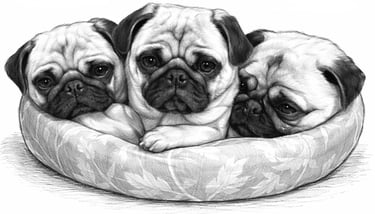
Understanding Strange Pug Sleeping Positions
Discover the complete guide to understanding strange pug sleeping positions and behaviors. Learn why your pug sleeps in unique ways and what it all means for their health and happiness.
5/14/20267 min read


Introduction to Pugs and Their Sleeping Habits
Pugs are a distinctive breed of dog that have garnered much affection due to their charming demeanor and unique physical characteristics. With their compact bodies, wrinkled faces, and curled tails, pugs stand out among various dog breeds. They are small in size, typically weighing between 14 to 18 pounds, with a height of around 10 to 14 inches. This breed is known for its playful and sociable nature, making them excellent companions for families and individuals alike.
In addition to their physical traits, pugs are recognized for their friendly temperament. They are generally good with children and other pets, thriving on interaction and affection. Their playful disposition often leads them to exhibit various behavioral traits, including being curious, occasionally mischievous, and loyal. Understanding these characteristics is crucial, especially when analyzing how their behavior affects sleeping patterns.
Pug owners will find it essential to recognize the peculiar sleeping habits exhibited by this breed. Pugs, like many dogs, tend to exhibit different sleeping positions that can provide insights into their comfort, health, and environmental factors. Factors such as safety, temperature, and physical comfort can significantly influence a pug’s preferred sleeping position. For instance, a pug might curl up tightly in a cozy space when feeling cold, while it may stretch out when comfortable and warm.
Being attentive to these sleeping positions not only enhances the well-being of the pug but also ensures that owners are aware of any changes that may indicate underlying health issues. Therefore, understanding a pug’s sleeping habits is paramount for maintaining their overall health and happiness, thus enriching the bond between the dog and its owner.
Common Pug Sleeping Positions Explained
Pugs, known for their distinct features and charming personalities, showcase a variety of sleeping positions that can reveal important insights about their mood and well-being. Understanding these sleeping styles can aid owners in recognizing their pet's comfort levels, health status, and even emotional state.
One of the most recognized positions is called "the donut". In this arrangement, pugs curl their entire body into a circular shape, resting their heads on or near their tails. This position is often a sign of warmth and comfort, as it provides a sense of security for the dog. When a pug sleeps in the donut position, it is generally understood that they feel safe in their environment, thus showing trust towards their owners.
Another common position is "the flat face". Here, a pug will lie down with their face completely flat against the ground or a soft surface. This indicates a deep relaxation state, suggesting that they are comfortable and possibly feeling playful. However, it is crucial for pug owners to monitor this position carefully, as it can sometimes indicate that the dog is feeling hot or struggling to breathe, particularly in hot weather or with increasing weight.
The "side sleeper" position is also prevalent among pugs. In this posture, they lie on their side, often with their limbs extended. This sleeping style typically suggests that the pug is in a very relaxed state and likely feels secure in their surroundings. It can also demonstrate their trust in their environment, as they are exposing vital parts of their body while asleep.
Recognizing these common sleeping positions can empower pug owners to better understand their furry companions and ensure they maintain an optimal level of comfort and health.
The Psychology Behind Pug Sleeping Positions
Pugs, like many dog breeds, exhibit a variety of sleeping positions that can be insightful into their psychological state. Understanding these peculiar positions can shed light on a pug's feelings of security, comfort, and overall well-being. One of the most common positions observed is when pugs curl up tightly into a ball. This position typically indicates that the pug is seeking warmth and security, often signaling a need to protect itself from perceived threats while resting.
Another frequently noticed position is the "superman" pose, where the pug lies on its stomach with its legs stretched out as if ready for flight. This sleeping posture reflects a pug that feels safe and relaxed in its environment, often enjoying a deep state of trust. When a pug sleeps in this manner, it can indicate contentment, as the animal feels confident enough to expose its vulnerable belly.
The position in which a pug sleeps can also be influenced by its upbringing and past experiences. Dogs that have experienced trauma or instability might choose to sleep in more defensive positions. These behaviors suggest a need for additional reassurance and trust-building efforts from their owners. Conversely, a pug raised in a stable and loving environment is more likely to exhibit relaxed sleeping postures, revealing a strong bond with its human companions.
Moreover, sleeping positions can differ based on each pug's personality. Some may prefer sleeping on their back, highlighting a playful and easygoing temperament, while others might gravitate towards the side, indicating a level of comfort with their surroundings. Understanding these distinct sleeping habits can enhance the bond between a pug and its owner, leading to a deeper comprehension of the pet's emotional landscape.
Health Considerations Related to Sleeping Positions
Pugs are distinctively charming due to their unique physical traits, but these features also render them susceptible to various health conditions. Understanding the correlation between pug sleeping positions and potential health issues is crucial for pet owners. Certain sleeping styles may provide insight into their comfort level and overall well-being. For example, pugs that sleep on their back with all four legs in the air are usually considered to be in a relaxed state, indicating they feel safe and secure in their environment. However, if this position causes them difficulty in breathing, it might signal potential respiratory issues common in brachycephalic breeds.
Another common sleeping position is curled up in a ball, which can be seen as a self-comforting posture, especially in older pugs or those experiencing joint pain. Should a pug constantly adopt this position, it may indicate discomfort arising from conditions such as arthritis or hip dysplasia. Additionally, excessive stretching during sleep may also suggest muscle discomfort or tension, warranting a veterinarian's visit for a comprehensive examination.
Furthermore, watch for signs of restlessness or frequent changes in sleeping positions. If a pug frequently shifts from one position to another, it may be experiencing pain or discomfort that needs addressing. Observing your pug's sleeping habits and how they relate to their overall demeanor can provide essential insights into their health status. Early detection of these patterns can facilitate timely interventions, enhancing the quality of life for your pug.
Environmental Factors Influencing Pug Sleeping Positions
Pugs are known for their distinctive sleeping positions, which can be influenced significantly by various environmental factors. Understanding these elements is essential for ensuring your pug enjoys quality sleep and feels comfortable. Key factors such as temperature, bedding, and the layout of the house play crucial roles in determining how your pug chooses to rest.
Temperature is a primary consideration. Pugs, being a brachycephalic breed, can struggle to regulate their body temperature. This makes it vital to maintain a comfortable ambient temperature in your home. If it is too hot or too cold, you may notice your pug adjusting their sleeping position as they seek comfort. During warmer months, ensure adequate ventilation and consider providing cooling mats. In contrast, during colder periods, provide blankets or a cozy bed in a warm area.
Bedding also influences a pug's sleeping habits. A comfortable bed that aligns with your pug's preferences can encourage restful sleep. Soft, padded beds or even elevated beds can make a significant difference in how they choose to nestle while sleeping. Additionally, incorporating familiar smells into their bedding can provide a sense of security and comfort, thereby promoting better sleep.
The layout of your home can also affect your pug’s sleeping preferences. Pugs tend to gravitate towards specific spots that provide safety and comfort. They may prefer sleeping near their owners or in spots that offer a view of their surroundings. Creating a designated sleeping area away from high-traffic zones can help your pug feel more secure, allowing them to achieve a deeper sleep. Ensuring that these areas are clean, quiet, and comfortable supports your pug's natural sleeping tendencies.
Comparative Analysis: Pugs vs. Other Breeds
Understanding the sleeping positions of pugs in comparison to other dog breeds offers significant insights into how breed-specific traits influence sleep behavior. Pugs, with their compact bodies and distinct facial structure, possess unique sleeping habits that often differ from larger and more elongated breeds. For instance, while many dogs may sleep curled up, a common position among terriers and shepherds that serves to conserve body heat, pugs frequently adopt a more spread-out position. This behavior may be linked to their brachycephalic nature, which can influence their breathing patterns during sleep.
Another distinctive aspect of pug sleep behavior is their tendency to flop onto their sides or even on their backs, revealing their bellies. This vulnerability indicates a sense of comfort and security, traits often seen in breeds known for their sociability, such as Golden Retrievers. In contrast, more dominant breeds might sleep in a more guarded position, reflecting their instinctual need to protect themselves from potential threats.
Moreover, pugs may spend considerable time in a variety of unique positions, including the infamous "pug face down" pose, which has garnered significant attention on social media platforms. This position, while amusing, is also indicative of their relaxed attitude toward their environment. Other breeds, such as the Dachshund or Beagle, may display more conventional sleep positions, emphasizing the pug’s unique personality and how it relates to their sleeping preferences.
Ultimately, by examining these different sleeping habits through comparative analysis, pug owners can gain a greater appreciation for the distinctive characteristics of their beloved pets. Recognizing the biological factors that influence a pug's sleep can enhance their understanding of both their pet's needs and behaviors.
Conclusion: Understanding Your Pug's Sleeping Patterns
In summary, understanding your pug's sleeping patterns is crucial for ensuring their overall well-being. Pugs, known for their indelible charm and playful demeanor, exhibit a variety of unique sleeping positions that are not only adorable but also indicative of their comfort and mental state. By observing how your pug sleeps, you can gain insights into their feelings of safety and relaxation. For instance, when a pug curls up tightly or sprawls out, it may be revealing their comfort level in a given environment.
Recognizing the nuances in your pug's sleep habits can also assist in identifying potential issues. Changes in sleeping positions might signify discomfort or anxiety, warranting closer observation and possibly a veterinary consultation. Each pug is an individual, and their sleeping habits can vary widely; thus, what is normal for one may be different for another. It is advantageous for pug owners to take the time to notice these distinctions in their pets.
Furthermore, acknowledging the importance of your pug's sleep can foster a deeper bond between you and your pet. Sharing experiences about your pug's peculiar sleeping habits can reveal how similar or different they are from others. Engaging with fellow pug owners through forums or social media platforms can serve to enhance your understanding of these beloved companions. You are encouraged to reflect on your own pug and consider what their sleeping positions say about their personality and comfort. Ultimately, nurturing a safe and cozy sleep environment for your pug contributes to their happiness and health.