
Pug vs French Bulldog: Best Companion Comparison
Discover the differences between Pug vs French Bulldog to find out which breed makes the better companion for your lifestyle. Explore their personalities, care needs, and more!
5/10/20267 min read

Introduction to Pugs and French Bulldogs
Pugs and French Bulldogs are two popular dog breeds that have captured the hearts of many dog lovers around the globe. Both breeds are known for their unique physical features and engaging personalities, making them ideal companions for families and individuals alike. Understanding their origins and distinguishing traits can help potential dog owners make an informed decision when choosing between these charming breeds.
Pugs can be traced back to ancient China, where they were favored by emperors and revered for their loyalty and affectionate nature. Originally bred as companion dogs, they have a distinctive appearance characterized by their wrinkled face, curled tail, and compact body. Pugs are recognized for their playful and charismatic demeanor, often exhibiting a sense of humor that endears them to their human counterparts. Their adaptability and friendly disposition make them suitable for various living environments, from apartments to larger homes.
On the other hand, French Bulldogs, also known as "Frenchies," have their roots in England, where they were developed as a miniature version of the English Bulldog. They gained popularity in France among lace workers during the Industrial Revolution, eventually becoming the beloved breed we know today. French Bulldogs are distinguished by their bat-like ears, muscular build, and charming expression. Known for their affectionate and easygoing temperament, they excel as companions and are particularly well-suited for city living due to their low exercise requirements.
Both Pugs and French Bulldogs are renowned for their companionship, making them excellent choices for dog owners seeking loyal pets. Their friendly and social nature, combined with their unique physical traits, has made these breeds increasingly popular in modern households. In the following sections, we will delve deeper into the characteristics and temperaments of each breed to help potential owners understand their differences and decide which dog might better fit their lifestyle.
Physical Appearance: Pugs vs. French Bulldogs
Pugs and French Bulldogs are two of the most beloved breed choices for dog owners, each exhibiting distinct physical traits that set them apart. In terms of size, Pugs typically weigh between 14 to 18 pounds and stand around 10 to 14 inches tall. In contrast, French Bulldogs tend to be slightly more robust, weighing between 16 to 28 pounds and standing about 11 to 13 inches in height. This difference in size contributes to their unique silhouettes, with Pugs showcasing a more rounded form while French Bulldogs have a stockier build.
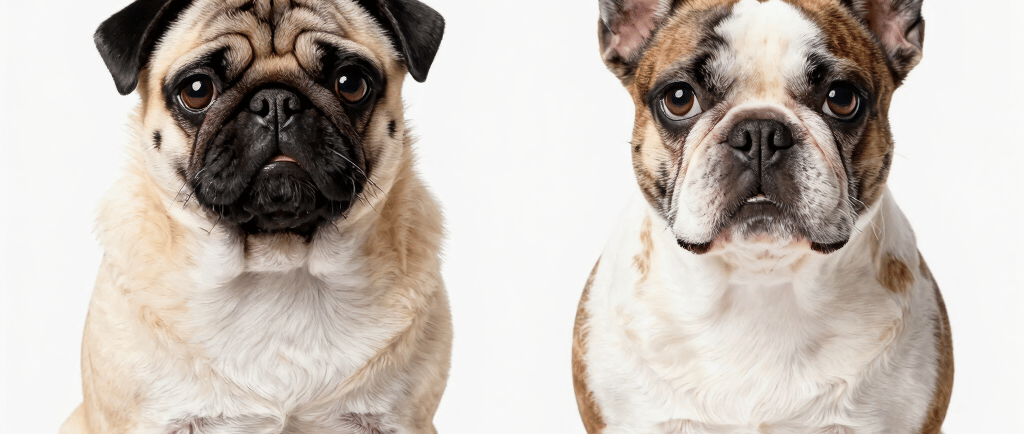
Both breeds possess short coats that require minimal grooming, making them ideal for pet owners who prefer low-maintenance companions. The coat of a Pug is short, smooth, and dense, often coming in color variations like fawn, black, and apricot, and typically characterized by a glossy sheen. Meanwhile, French Bulldogs also sport short, sleek coats available in a diverse palette, including brindle, fawn, and pied patterns. This variety adds to the visual appeal, allowing prospective owners to choose a dog that aligns with their personal aesthetic preferences.
The most notable difference between these two breeds lies in their facial structures. Pugs feature a distinctive wrinkled face, with large, expressive eyes and a short, flat muzzle that gives them an endearing appearance. French Bulldogs, however, possess a broader head with a more pronounced, squashed face, characterized by bat-like ears that contribute to their unique charm. While both breeds exhibit a charming and affectionate demeanor, their physical differences play a crucial role in their overall appeal to various potential dog owners.
Temperament and Personality Traits
Pugs and French Bulldogs exhibit unique personality traits that appeal to many dog enthusiasts. Both breeds are noted for their affectionate and sociable nature, making them ideal companions for families and individuals alike. Pugs are often described as playful and spirited, with a distinctive charm that wins over hearts. Their friendly demeanor encourages a strong bond with their owners, and they thrive on attention and interaction. This playful spirit often manifests in their love for games and their ability to engage in silly antics, leaving their owners entertained.
Conversely, French Bulldogs showcase a calm yet friendly temperament. Highly sociable, they enjoy mingling with people and other pets, demonstrating loyalty and attachment to their families. Their laid-back nature fosters a relaxed environment, which can be comforting for those with a busy lifestyle. While French Bulldogs may display moments of playful energy, they are also content to cuddle and relax, which can be very appealing for individuals who prefer a less active companion.
Both breeds have distinctive quirks; for instance, Pugs often exhibit a comedic side with their facial expressions and playful bark, while French Bulldogs may display a more stoic yet affectionate nature, often leaning against their owners for comfort. This contrast in traits allows potential owners to evaluate which dog might better complement their lifestyle and preferences.
Overall, whether one gravitates towards the vivaciousness of a Pug or the adaptable demeanor of a French Bulldog, both breeds promise loyalty and companionship, each enhancing the lives of their owners in their unique ways.
Exercise Needs and Grooming Requirements
Both the Pug and the French Bulldog are small dog breeds that possess distinct characteristics in terms of exercise and grooming needs. Understanding these aspects is essential for prospective pet owners to determine which breed best aligns with their lifestyle.
Pugs tend to be moderately active. They require regular playtime and short walks to help maintain a healthy weight. Typically, 30 minutes of exercise each day is sufficient for a Pug, which could include interactive play sessions or leisurely strolls around the neighborhood. However, because of their brachycephalic nature, they can be prone to overheating and respiratory issues, particularly in extreme weather. Therefore, exercise should be approached with caution, especially in the heat. On the other hand, the French Bulldog shares a similar exercise requirement. They also thrive on short walks and interactive play, needing around 30 minutes of daily activity. However, like Pugs, French Bulldogs are susceptible to breathing problems and should be monitored during any physical exertion.
When it comes to grooming, both breeds have relatively low grooming requirements, but their needs vary slightly. Pugs have a short, smooth coat that needs minimal grooming. A weekly brushing is typically sufficient to keep their coat healthy and to manage shedding. Additionally, their facial wrinkles require regular cleaning to prevent odors and skin irritations. Conversely, French Bulldogs also have short coats, which necessitate only occasional brushing. Yet, they have unique grooming needs due to their bat-like ears. Regular inspection and cleaning of the ears are vital to avoid infections. Both breeds are relatively low-maintenance in terms of grooming when compared to other dog breeds, making them more appealing choices for busy households.
Training and Behavior Challenges
Pugs and French Bulldogs are both charming breeds known for their affectionate natures. However, their training needs and behaviors present unique challenges that potential owners should be aware of.
Pugs are intelligent, but they can also display a strong-willed nature. This breed is often characterized by a playful spirit, which may pose a challenge during training. Their desire to entertain and seek attention can sometimes lead to stubbornness. Consequently, effective training methods that incorporate positive reinforcement are crucial. Rewards such as treats, praise, and playtime tend to work well. Ensuring consistency in commands and routines is vital; otherwise, Pugs may become easily distracted.
On the other hand, French Bulldogs are recognized for their adaptability and affectionate demeanor. They possess moderate intelligence and tend to be eager to please. This desire to make their owners happy generally makes training more manageable compared to Pugs. Nevertheless, French Bulldogs can also exhibit a stubborn streak, especially if they sense an opportunity to evade training tasks. Owners are encouraged to maintain an engaging training environment that remains enjoyable for both the dog and handler.
Common challenges for both breeds include house training and socialization. Early exposure to various environments and other pets is important to develop a well-rounded character. Pugs may be prone to separation anxiety, which can be mitigated through crate training and independent play. Conversely, French Bulldogs require careful attention to their physical limitations due to potential health issues. Training sessions should be kept short to accommodate their stamina levels, enhancing their overall learning experience.
In conclusion, understanding the distinct training challenges associated with Pugs and French Bulldogs is essential for prospective owners. Tailoring training approaches to each breed’s unique personality traits will not only facilitate a more productive learning experience but also foster a stronger bond between the dog and its owner.
Health Considerations and Lifespan
When comparing Pugs and French Bulldogs, it is critical to examine their health considerations and overall lifespan. Both breeds are classified as brachycephalic, which means they possess short snouts, making them prone to respiratory issues. Pugs often experience conditions like brachycephalic obstructive airway syndrome (BOAS), which can lead to breathing difficulties, particularly in hot or humid environments. French Bulldogs face similar challenges and may also encounter skin issues due to their unique skin folds that can trap moisture and bacteria.
Moreover, obesity is a common health concern for both breeds. Given their playful nature and tendency to overeat, maintaining a balanced diet and promoting regular exercise is vital to prevent obesity-related complications, including diabetes and joint problems. Regular veterinary check-ups can help in identifying these risks early and in monitoring their weight, thereby ensuring that both Pugs and French Bulldogs lead healthy lives.
The average lifespan of Pugs typically ranges from 12 to 15 years, while French Bulldogs generally live between 10 to 14 years. Factors such as genetics, diet, exercise, and preventive healthcare significantly influence their longevity. Regular veterinary care plays a pivotal role in managing potential health issues and vaccinations, ensuring a longer and healthier life for these breeds.
In light of the various health risks associated with both Pugs and French Bulldogs, prospective owners should prioritize providing these dogs with a loving environment, coupled with appropriate health care and preventive measures. This commitment will lead to a rewarding companionship that can last for many joyful years.
Conclusion: Choosing the Right Companion for You
When considering whether a Pug or a French Bulldog is the better companion for you, it is essential to reflect on your lifestyle, preferences, and the distinct characteristics of each breed. Both Pugs and French Bulldogs have unique traits that can significantly impact your decision. For instance, Pugs are known for their playful and affectionate nature, while French Bulldogs are celebrated for their loyalty and easy-going temperament.
Moreover, assessing your living situation is crucial. Pugs tend to adapt well to various environments, thriving in both smaller apartments and larger homes, provided they receive sufficient exercise. French Bulldogs, with their moderate exercise needs and minimal grooming requirements, are similarly well-suited to apartment living and can be ideal for those seeking a low-maintenance companion.
Health considerations also play a vital role in your choice. Both breeds are brachycephalic, meaning they can experience respiratory issues due to their short snouts. Being aware of these potential health challenges will enable you to provide the best care for your chosen companion. Additionally, considering the energy levels of each breed can guide you in determining which dog aligns better with your daily routine. Pugs may require a more active playtime, while French Bulldogs are generally content with a relaxed lifestyle.
Ultimately, the decision between a Pug and a French Bulldog should be rooted in a clear understanding of your specific circumstances and preferences. Taking the time to evaluate which breed resonates with your personality and living conditions will help ensure a harmonious and fulfilling companionship for years to come.