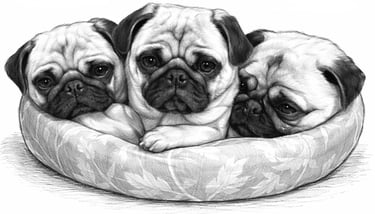
Effective Pug Weight Loss Strategies for a Healthier Life
Discover safe and effective methods for pug weight loss. Learn strategies and tips to help your pug lose weight without starving them, ensuring a healthier lifestyle for your furry friend.
5/14/20267 min read


Understanding Obesity in Pugs
Obesity has become a prevalent issue among pugs, with studies indicating that nearly 50% of pugs are classified as overweight or obese. This condition occurs when there is an excessive amount of body fat, which can lead to a variety of health concerns. The causes of obesity in pugs are multifaceted, often stemming from overfeeding, lack of exercise, and genetic predispositions that the breed is prone to. Additionally, owner tendencies to give their pets treats, coupled with the breed's love for food, often exacerbates the problem.
Identifying an overweight pug is crucial for preventative health measures. One widely used method is the body condition scoring (BCS) system, which ranks pets on a scale from 1 to 9, with 1 being extremely underweight and 9 representing extreme obesity. A pug should ideally score between 4 and 5 on this scale, indicating a healthy weight. Signs of obesity include a noticeable lack of a defined waist, difficulty in feeling the ribs without excessive pressure, and Fat deposits forming around the spine and tail base.
Excess weight in pugs poses numerous health risks. Dogs that are classified as obese are at a higher risk for various conditions, including diabetes, heart disease, respiratory issues, and joint problems such as arthritis. These conditions not only affect a pug’s quality of life but can also lead to a reduced lifespan. Therefore, understanding the implications of obesity is essential for pug owners. Regular veterinary check-ups, balanced diets, and exercise are imperative in managing a pug’s weight effectively. By addressing obesity early on, owners can significantly enhance their pet's overall wellbeing and longevity.
The Importance of a Balanced Diet
Maintaining a healthy weight is vital for pugs, as obesity can lead to various health issues such as diabetes, joint problems, and respiratory difficulties. A well-balanced diet provides the essential nutrients that pugs need to sustain their energy levels and overall health. The focus should be on high-quality ingredients that promote longevity and vitality, ensuring that your pug receives the right balance of proteins, fats, carbohydrates, vitamins, and minerals.
When selecting food for your pug, consider kibble options specifically formulated for small breeds. These options are typically smaller in size, making them easier for pugs to chew. Look for products that list high-quality protein sources as the first ingredient, such as chicken or fish. Avoid kibble that contains fillers like corn, wheat, and soy, as these ingredients do not provide substantial nutritional value and can contribute to weight gain.
Portion control is another crucial aspect of maintaining a balanced diet. Pugs are known for their enthusiastic eating habits, so it is essential to measure their food according to the serving guidelines provided on the kibble packaging or as recommended by your veterinarian. Offering appropriate portions can help prevent overfeeding, which is often a major factor in obesity. Additionally, be wary of common dietary pitfalls such as excessive treats, which can quickly add extra calories to your pug’s daily intake.
Incorporating fruits and vegetables into your pug's diet can also be beneficial; however, they should be offered sparingly and should not replace balanced kibble. Keep in mind that healthy eating habits start at home, and ensuring your pug has a well-balanced diet will significantly improve their quality of life and help achieve and maintain a healthy weight.
Creating a Weight Loss Plan
Developing a personalized weight loss plan for your pug is essential to help them shed excess pounds safely and effectively. The first step is to set realistic goals that consider your pug's breed, age, and overall health. Pugs can be prone to obesity, which makes it vital to start with manageable targets. Aim for a gradual weight loss of about 1-2% per week, depending on the initial weight of your pug.
Next, determine the appropriate daily caloric intake. This calculation can vary based on several factors, including your pug's current weight, activity level, and age. A general guideline is to use a caloric intake calculator that considers these aspects. For many pugs, this daily allowance might fall between 300-600 calories, but consulting with a veterinarian will provide the most accurate recommendations tailored to your pet's unique needs.
It is equally important to incorporate a balanced diet that focuses on high-quality dog food, emphasizing proteins and fibers while reducing carbs and fats. Secondly, dividing meals into smaller portions throughout the day can prevent hunger and promote steady energy levels. Ensure that low-calorie treats are included, as these can be beneficial during training sessions to motivate your pug without adding significant calories.
Tracking progress is crucial in any weight loss journey, and this applies to your pug as well. Regular weigh-ins, ideally once a week, will help you monitor their weight loss and celebrate small victories. Keeping a log of food intake and exercise will provide insight into what is working and what might need adjustments. Regular consultations with your veterinarian will ensure that you are staying on the right track and making necessary changes to the plan as your pug progresses.
Incorporating Exercise into Your Pug's Routine
Incorporating exercise into your pug's routine is essential for maintaining a healthy weight and promoting overall well-being. Pugs are known for their friendly and playful nature, which makes them well-suited for a variety of fun physical activities. However, it is important to ensure that exercise is balanced to prevent overexertion, especially given the breed's propensity for breathing issues due to their brachycephalic structure.
Start by establishing a routine that includes short, consistent walks. Aim for two to three brief walks each day, gradually increasing the duration and intensity as your pug’s fitness improves. Walking not only aids in weight management but also provides mental stimulation and an opportunity for social interaction with other dogs and people.
In addition to walks, consider incorporating fun games into your pug’s exercise regimen. Games like fetch, hide and seek, or tug-of-war are excellent ways to engage your pug physically and mentally. However, adapt these games to suit your pug's energy levels; it's crucial to keep the activities enjoyable and not overly exhausting.
Remember, consistency is key in developing an effective exercise routine. Set aside specific times each day to engage in physical activities with your pug. Additionally, monitor their physical condition and energy levels to ensure that they are not overdoing it. Giving your pug ample breaks and access to water during playtime is also vital to prevent overheating.
Lastly, always consult with your veterinarian before making significant changes to your pug's exercise routine. They can offer tailored advice based on your pug's specific health needs and ensure that the exercises will promote weight loss safely and effectively.
Avoiding Common Weight Loss Mistakes
Successfully helping your pug lose weight requires more than just a diet change; it involves avoiding common pitfalls that pet owners often encounter. One prevalent mistake is providing excessive treats. While it is natural to want to reward your pug, these extra calories can quickly accumulate and hinder weight loss efforts. Instead, consider using healthier alternatives like carrots or sweet potato slices, which can offer a satisfying crunch without contributing significantly to caloric intake.
Another mistake often made is neglecting to establish regular feeding schedules. Inconsistent feeding can lead to overeating or frequent begging from your pug. Establishing a fixed routine will help regulate their metabolism and curb unwanted snacking between meals. Divide the daily food intake into two or three smaller portions to not only control calories but also keep your pug feeling satisfied throughout the day.
Additionally, many owners misinterpret the relationship between exercise and weight loss. Simply increasing the amount of time a pug spends outdoors may not suffice if the activity lacks intensity. Low-impact activities like leisurely walks may not be enough to promote weight loss effectively. Aim for engaging exercises tailored to your pug’s energy level, such as playing fetch or participating in agility training. This will not only enhance their fitness but also foster a stronger bond between you and your pet.
In conclusion, helping your pug lose weight safely necessitates awareness of the common mistakes to avoid. By managing treat intake, sticking to a feeding schedule, and implementing effective exercise routines, you can support your pug in achieving and maintaining a healthy weight without compromising their well-being.
Monitoring Your Pug’s Progress
Effectively monitoring your pug's weight loss journey is essential to ensure they are shedding pounds safely and sustainably. One of the most straightforward methods to keep track of your pug’s progress is by regularly weighing them. To do this accurately, weigh your pug at the same time of day and ideally under similar conditions, such as right before or after a meal. This consistency provides a more reliable understanding of your pug’s weight fluctuations.
In addition to weighing, assessing your pug’s body condition is a critical evaluation tool. This involves determining if your pug has an appropriate body shape and fat covering. You can perform a simple body condition score assessment by examining your pug from the side and above. A well-conditioned pug should have a visible waist and ribs that can be felt without a thick layer of fat covering. Regularly performing this check can help you recognize when your pug is losing weight and to what extent.
Furthermore, monitoring changes in behavior and energy levels is equally important during the weight loss process. A successful weight loss routine should ideally lead to increased activity levels, improved playfulness, and a more overall energetic demeanor. If you notice lethargy or any concerning changes in behavior, it may indicate that the weight loss approach needs adjusting. Remember, this journey requires patience; weight loss should ideally be gradual rather than drastic, mirroring a steady caloric deficit coupled with increased physical activity.
Ensuring you track these factors diligently will give you a clearer picture of your pug's health and help celebrate their small successes along the way. Being consistent and patient in your monitoring not only helps your pug but also fosters a deeper bond between you and your furry friend as you work together towards better health.
Maintaining a Healthy Weight Long-Term
Once your pug has successfully reached a healthy weight, maintaining that weight becomes crucial for their overall health and well-being. Proper maintenance requires a multifaceted approach, emphasizing dietary management, regular exercise, and routine veterinary check-ups.
To ensure your pug remains at a healthy weight, it is essential to establish a balanced diet tailored to their needs. This may involve adjusting portion sizes and selecting high-quality, low-calorie food options appropriate for their age and activity level. Monitoring their caloric intake with the assistance of your veterinarian can help prevent excessive weight gain. Regularly measuring their food promotes portion control, reducing the likelihood of overfeeding, which is a common issue with pugs. Treats should also be limited and chosen wisely; opting for healthy snacks can contribute to their overall caloric management.
In addition to dietary considerations, exercise plays a vital role in maintaining an ideal weight. Pugs may be prone to laziness due to their charming yet sedentary demeanor, so it is essential to encourage daily physical activity. Engaging your pug in interactive play, short walks, or structured exercise sessions can help keep their metabolism efficient. This not only aids in weight control but also fosters the bond between you and your pet. Gradually increasing their activity levels can lead to a more active lifestyle while reducing the risk of weight gain.
Lastly, regular veterinary visits are critical in monitoring your pug's health and weight. Routine check-ups facilitate early detection of potential weight issues and allow for professional guidance on nutrition and exercise tailored specifically for your pug's needs. The veterinary team can provide personalized strategies to help prevent future weight gain and support the maintenance of a healthy lifestyle.