Are Pugs Hard to Potty Train? Tips for Success
Are Pugs Hard to Potty Train? Discover effective tips for potty training your pug. Learn how to potty train pugs successfully with our expert advice and strategies to make the process easier and more efficient.
5/10/20267 min read
Understanding the Pug Breed
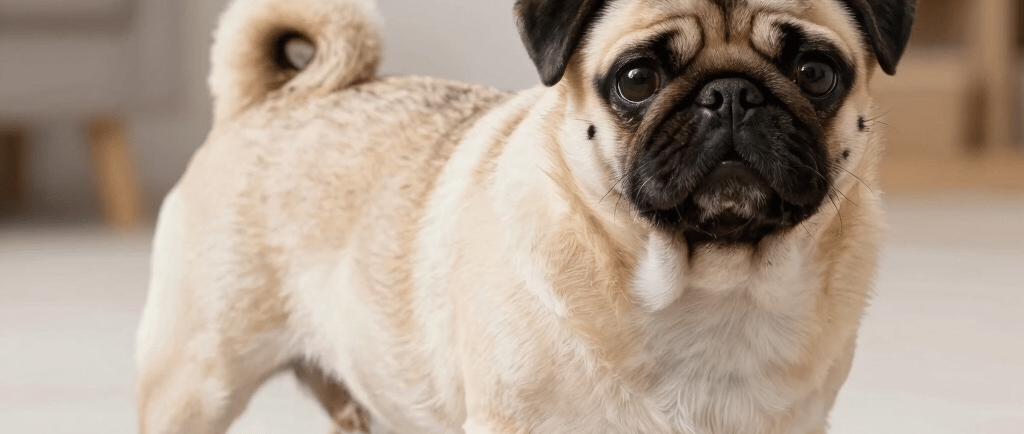
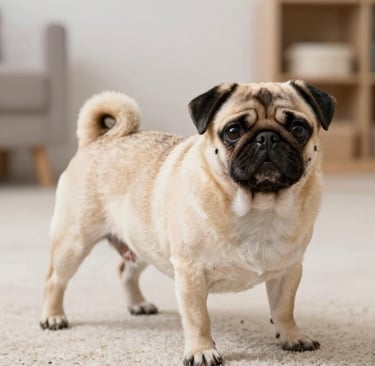
Pugs are a unique and beloved breed known for their charming personalities and distinctive physical characteristics. They are characterized by their compact size, wrinkled faces, and curled tails, making them quite recognizable. The affectionate nature of pugs is one of their most endearing qualities, as they are known to form strong bonds with their human companions. This deep emotional connection positions pugs as ideal family pets, often thriving on human interaction and companionship.
However, despite their affectionate demeanor, pugs exhibit a stubborn streak that can complicate the potty training process. This inherent stubbornness may lead to challenges in house training, as pugs may resist commands or show disinterest in following directives. It is crucial for potential pug owners to understand that although these dogs are generally eager to please, they may not respond immediately to traditional training methods. Understanding their temperament can lead to more effective training strategies.
In addition, pugs are often misconceived to be easy-going dogs due to their playful attitude. While they do enjoy playtime and are friendly with others, their unique physical traits can make certain aspects of training, including potty training, more difficult. For instance, their short snouts may lead to breathing issues, which can affect their overall energy levels, potentially influencing their motivation during training sessions. Recognizing these physical characteristics is essential for setting realistic expectations and adapting the training approach accordingly.
In summary, comprehending the characteristics and temperament of pugs is pivotal for successful potty training. Their affectionate nature, alongside a stubborn temperament and distinctive physical traits, plays a significant role in the training process. Therefore, prospective pug owners should prepare to engage with patience and understanding when addressing house training issues.
Challenges of Potty Training Pugs
Pugs, with their charming personalities and affectionate nature, can present distinct challenges when it comes to potty training. One of the primary hurdles pug owners encounter is the breed's inherent stubbornness. Pugs are known to have a strong-willed attitude, which can complicate the potty training process. If a pug has set its mind against following commands or routines, it may resist the training efforts, leading to inconsistent results.
Another significant challenge is their small bladder size. Pugs naturally have a limited capacity to hold urine, which necessitates more frequent bathroom breaks. This can be especially difficult for owners with busy schedules, as they need to provide timely opportunities for their pugs to relieve themselves. Without proper scheduling, accidents may become a common occurrence, further complicating the training process.
Moreover, pugs are particularly susceptible to distractions. Their curious and playful nature can lead them to lose focus during potty training sessions. If a pug is easily sidetracked by sounds, other animals, or exciting smells in their environment, it may struggle to complete the task at hand. Such distractions can extend the duration of the training period and require additional patience and effort from the owner.
Additionally, factors such as the pug's age and prior experiences play a crucial role in the potty training process. Puppies may have a shorter attention span and require more frequent reminders, while older pugs might have developed bad habits from previous living situations. Each of these elements adds unique challenges that owners must navigate, affecting how quickly and effectively a pug can be potty trained.
Establishing a Potty Training Schedule
Creating a consistent potty training schedule is crucial for effectively housebreaking a pug. Dogs, like humans, thrive on routine; therefore, establishing a reliable schedule can significantly enhance the success of the potty training process. Begin by determining the times of day that are most efficient for bathroom breaks. It is commonly recommended to take your pug outdoors first thing in the morning, after meals, and before bedtime. Generally, younger pugs may require more frequent breaks, roughly every 30 minutes to an hour, while adult pugs can usually hold it for a longer duration.
In addition to these basic time frames, monitor your pug’s behavior closely. Common signs that your pug needs to relieve itself include whining, circling, or sniffing around. Keep a watchful eye on your pug during playtime or after meals, as these can often trigger the need to go out. Observing and charting these behaviors will help you refine your potty training schedule, leading to a higher success rate.
Feeding your pug at the same time each day can help predict when they may need to go outside. Implementing a regular meal schedule is beneficial, as dogs typically need to relieve themselves soon after eating. Therefore, plan their meals and subsequent potty breaks in tandem. Likewise, providing play and exercise before going out can also prepare your pug for a successful bathroom trip.
Consistency is key when adhering to this schedule. Taking your pug out at regular intervals can foster better habits, reinforcing that the outdoors is the appropriate place for potty breaks. Maintaining this routine will lead to fewer accidents indoors and a smoother potty training experience overall.
Creating a Positive Potty Training Environment
Potty training a pug can be challenging but setting up a positive environment is crucial for success. The first step is to choose an appropriate outdoor location for potty breaks. Select an area that is quiet and free from heavy foot traffic. This helps ensure that your pug won’t be easily distracted while trying to focus on their training. Familiarizing your pet with a specific spot outside can also help them associate that location with toileting, reinforcing good habits over time.
If you are utilizing indoor potty training pads, placement is equally important. Position the pads in a designated area that is consistently accessible to your pug. This should be a space where they feel safe and comfortable. Reinforcing good habits using pads can also be beneficial, especially during inclement weather or for those times when outdoor access is limited. Consider using pads that are absorbent and odor-controlling to maintain a hygienic space for your pug.
Minimizing distractions is vital during the potty training process. Limit stimuli in the immediate potty area that could divert your pet’s attention away from the task at hand. Turn off loud noises and remove any tempting toys or food items. This fostering of a calm atmosphere helps your pug to focus better on potty training, promoting quicker learning. Additionally, providing positive reinforcement, such as praise or rewards, whenever your pug successfully uses the potty area can significantly enhance their motivation.
In creating a supportive training environment, be patient and understanding. Pugs, like other breeds, may take some time to adapt to this process. Consistency, encouragement, and a tranquil setting will facilitate a more effective potty training journey for both you and your pug.
Training Techniques for Success
When it comes to potty training pugs, a variety of effective training techniques can significantly enhance the likelihood of success. One of the most recommended strategies is the use of positive reinforcement. This method involves rewarding your pug with treats, praise, or playtime whenever they complete their business outside. By associating outdoor potty activities with positive outcomes, your pug will be more inclined to repeat these behaviors.
Incorporating clicker training can also be beneficial. A clicker is a small device that makes a distinct sound to mark the exact moment your dog performs the desired behavior. When your pug successfully urinates or defecates in the appropriate spot, a click followed by immediate praise or a treat reinforces the good behavior. Clicker training helps to create a strong association between the action and the reward, which can hasten the learning process.
Another crucial aspect of potty training is the need for consistency in commands. Establishing a specific command—such as "go potty" or "do your business"—to be used each time you take your pug out can help them understand the association between the command and the action you expect. Consistent usage of the same command paired with a consistent schedule can set clear expectations for your furry friend.
As you embark on this training journey, it is essential to be prepared for accidents. If your pug has an accident indoors, responding calmly will help prevent fear or anxiety, which could hinder future training. Interrupting the behavior with a gentle "no," and then taking them outside promptly will reinforce where the appropriate place is. Remember, patience and consistency are key components in achieving success with potty training your pug.
Common Mistakes to Avoid
Pug owners can encounter numerous challenges while potty training their pets, and many of these difficulties stem from common mistakes. Addressing these missteps is crucial for a successful potty training experience. One of the most significant pitfalls is inconsistency in training routines. Pugs, like many dogs, thrive on a structured approach; therefore, maintaining a consistent schedule for bathroom breaks can drastically improve their learning process. Fluctuating between regular outdoor trips and allowing them to relieve themselves indoors can confuse the pug and hinder their ability to recognize appropriate elimination spaces.
Another frequent error is the implementation of punishment aimed at correcting unwanted behaviors. Some owners may resort to chastising their pugs for accidents, believing it will deter future incidents. However, if a pug is punished after the fact, they often do not connect the correction to their actions. Instead of punishment, positive reinforcement is recommended. Rewarding the pug for successfully using designated bathroom areas fosters an encouraging and supportive environment, promoting successful potty training.
Moreover, overlooking the pug's unique needs can be detrimental. Pugs have specific physical traits that may require particular considerations during training. For instance, they are prone to respiratory issues and may need frequent breaks to avoid overexertion. Recognizing these needs and adjusting potty training accordingly is essential for the pug's well-being. Providing ample opportunities for bathroom breaks, and being attentive to signs that indicate they need to go outside enhances the training experience.
By being aware of these common mistakes and proactively addressing them, pug owners can ensure a more effective potty training process. Understanding the pug's requirements and maintaining consistency will pave the way for success in training efforts.
Monitoring Progress and Making Adjustments
Effective potty training for pugs hinges not only on consistency and patience but also on closely monitoring their progress throughout the training process. One useful strategy is to maintain a detailed training log, documenting each attempt, successes, and any accidents that may occur. This log serves as a valuable tool to identify patterns in your pug's behavior, helping you understand their individual learning pace and preferences.
As you track the progress of your pug's potty training, look out for signs of improvement, such as longer intervals between potty breaks and a willingness to signal when they need to go outside. Acknowledging these positive changes can serve as motivation for both you and your pug. On the other hand, setbacks may occur, such as accidents inside the house despite previous successes. It is essential to remain composed and assess the situation rather than resorting to punishment. This measured approach fosters trust and encourages your pug to engage in the training process actively.
Adjustments may be necessary based on your pug's responses and behavior during training sessions. If you notice that your pug is not responding to specific techniques, consider varying the training methods. This could involve altering the designated potty area, changing the rewards system, or adjusting the training schedule to better fit your pug's daily routine. Remember, every pug is unique, and adapting your approach further enhances their learning experience.
Building a routine for potty breaks that aligns with your pug's natural habits is also crucial. Regularly scheduled potty times can lead to more predictable behavior, establishing a clearer understanding of expectations for your pet. Overall, by diligently monitoring progress and making necessary adjustments, you can improve the success of potty training your pug and create a positive outcome for both of you.