
Stop Pug Barking at Strangers: Effective Solutions
Discover effective solutions to stop your pug barking at strangers. Learn how to stop pug barking for nothing with our expert tips and techniques for a quieter home.
5/10/20267 min read

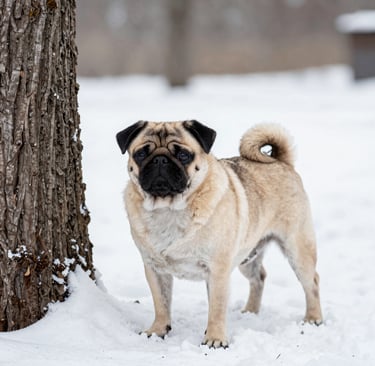
Understanding the Barking Behavior of Pugs
Pugs, like many small dog breeds, often exhibit barking behaviors that can perplex their owners, particularly when confronted with strangers. This propensity to bark has its roots in inherent instincts shaped by both their breeding history and environmental factors. Barking serves various purposes, largely influenced by a pug’s natural tendencies.
One principal reason why pugs bark at strangers is rooted in their territorial instincts. Much like other canine species, pugs possess an innate need to protect their home and family. When a stranger approaches, the barking acts as a warning signal, indicating that someone unfamiliar has entered their perceived territory. This behavior might also stem from their instinctual role as watchdogs, where alerting their owners to potential intruders is crucial. While their size may not suggest a significant threat, the barking emerges as a form of communication meant to assert their presence.
Moreover, fear responses can also play a crucial role in barking behaviors. Pugs may bark at strange people not simply out of aggression but more from a sense of apprehension or anxiety. The unfamiliar sights, sounds, or smells can trigger unease, causing a pug to vocalize their discomfort. This form of barking is typically a plea for reassurance from their owner, signaling that they feel threatened and need support. To address these fears, it is essential for pug owners to understand that their persistent barking at strangers is not a behavior to be scorned but one that reflects their instincts and emotional state.
Overall, understanding the motivations behind barking can aid owners in developing effective strategies to manage this behavior and facilitate a calmer demeanor when strangers are nearby.
Identifying Triggers for Barking
Understanding the specific triggers that cause a pug to bark is fundamental for devising an effective behavioral management plan. Pugs, like many dogs, often react to various stimuli, and these can vary significantly depending on the individual dog's personality and experiences. One of the first steps in identifying these triggers is to keep a detailed journal of barking incidents. In this journal, pug owners should note the context of each barking episode, including the time of day, location, and surrounding environment.
Additionally, it is important to document any particular people or sounds that coincide with the barking. For example, do they react more when someone enters the home, or is it more frequent during neighborhood walks? Identifying these patterns can help clarify whether the barking is due to fear, excitement, or protective instincts. Some pugs may bark at strangers as a way to alert their owners, while others might do so out of anxiety or a desire for attention.
Paying attention to the pug's body language during these barking episodes can also provide valuable insight. Signs of fear, such as cowering or backing away, suggest that the barking may be a response to anxiety, while a more animated posture might indicate excitement or playfulness. By noting these behaviors in conjunction with the barking, owners can better tailor their responses. Additionally, factors such as the presence of other animals or increased noise levels can also be contributing variables to a pug’s barking behavior.
Ultimately, being methodical about tracking these triggers will equip pug owners with the information necessary to address unwanted barking behavior. This awareness allows for the implementation of appropriate training techniques, fostering a more harmonious relationship between the pug and their environment.
Establishing a Training Routine
Addressing a pug's excessive barking involves establishing a consistent training routine. This structured approach is crucial in helping your dog understand the behavior you wish to modify. Consistency is key; creating a pattern that your pug can recognize will reinforce learning. Start by setting aside dedicated time each day for training sessions. Aim for short intervals, around 10-15 minutes, to maintain your pug's attention and prevent frustration.
Utilizing positive reinforcement techniques can significantly enhance the effectiveness of your training. Rewarding your pug with treats, praise, or playtime when he remains calm in the presence of strangers establishes a clear connection between desirable behavior and positive outcomes. It encourages your dog to repeat the behavior, gradually reducing the incidence of barking.
Regular practice is another integral component in your training routine. The more frequently you engage your pug in these training exercises, the more ingrained the desired behavior will become. Consider varying the scenarios where you apply training techniques, such as during walks or at home when visitors arrive. This will equip your pug with the tools needed to manage his barking in various situations.
Additionally, maintaining a calm demeanor during training is essential. Pugs are observant creatures and can pick up on their owner's emotions. If you display frustration or anxiety, your pug may reflect these feelings, resulting in further barking. Instead, approach each training session with patience and a positive attitude, creating a nurturing environment conducive to learning.
Socialization Techniques for Your Pug
Effective socialization is crucial for pugs to feel more at ease with unfamiliar individuals and environments. Start by gradually introducing your pug to new experiences, ensuring that these encounters are positive and non-threatening. It is essential to invite friends or family members over who are willing to interact with your pug. This can be done slowly by allowing the pug to observe them from a distance before gradually reducing the space between them, thereby ensuring that the dog feels secure.
When introducing your pug to strangers, consider using a reward-based approach. Carry some of your pug's favorite treats during these interactions. Reward your pug for calm behavior when they encounter a new person. This positive reinforcement can help embed their comfort level, associating unfamiliar faces with rewards instead of potential threats.
Additionally, take advantage of outdoor environments such as dog parks or pet-friendly venues. Start with quiet areas where the likelihood of encountering large crowds is minimal. Gradually expose your pug to busier situations. Watching people and other animals from a distance can help your dog adjust without feeling overwhelmed. Make sure to monitor your pug's behavior closely during these outings; remove them from situations that seem to induce stress or excessive barking.
Lastly, it is important to incorporate varied experiences into your pug's daily routine. Regular trips to the vet, groomers, and participation in dog training classes can enhance their social skills. These exposures help desensitize them to different sounds, smells, and environments, reducing the chances of barking out of fear or anxiety. Consistency in these practices will cultivate a more well-rounded pug, one that is less reactive to strangers and more confident overall.
Commands and Signals to Manage Barking
Managing a pug's barking involves consistent training using specific commands and signals. One of the most effective commands is "quiet." This command teaches your pug to stop barking on cue. To introduce this command, wait for a moment when your pug begins to bark. Once they start, firmly and calmly say "quiet." When the dog stops barking, even momentarily, immediately reward them with a treat or praise. This positive reinforcement creates an association between the command and the desired behavior, encouraging your pug to respond to the command in the future.
Another helpful command is "settle." This command encourages your pug to calm down, which can be particularly useful in stimulating environments or when encountering strangers. To teach "settle," start by having your pug in a quiet space. Use a calm tone of voice to say "settle" while gently guiding them to a spot where they can relax, such as their bed or a mat. Once they are settled, reward them with treats and verbal praise. Remaining consistent with this command will help your pug recognize that being calm is a desirable trait.
Consistency in training is key. Employ these commands whenever your pug barks unnecessarily, and always reward good behavior. Incorporating hand signals alongside verbal commands can also enhance understanding. For example, pairing the word "quiet" with a closed fist signal may help the pug associate visual cues with verbal commands. Regular practice will solidify these commands in your pet's mind, allowing for better control over excessive barking.
Creating a Calm Environment
To effectively reduce a pug's barking at strangers, fostering a calm and reassuring environment at home is essential. Pugs are naturally sensitive creatures, and external stimuli can easily trigger anxiety, resulting in excessive barking. Therefore, it is crucial to minimize overstimulation from various sources, such as loud noises, sudden movements, or chaotic surroundings.
One of the effective strategies for achieving this is by creating designated quiet areas within the home. These spaces should be free from disturbances and designed to be soothing for the pug. Soft bedding, familiar toys, and comfortable seating can invite the pug to retreat to this sanctuary when feeling overwhelmed. Using baby gates to restrict access to busy areas can also help, allowing your pet to feel secure and less anxious.
Another method of alleviating barking is to integrate calming music or nature sounds into the pug’s environment. Sound has a profound effect on a pet’s mood and behavior. Research indicates that classical music or specially designed calming tracks can significantly lower stress levels in dogs. Playing these sounds during times when strangers are nearby may help to create a peaceful ambiance, making your pug less reactive and more at ease.
Lastly, establishing a daily routine can provide a sense of stability for your pug. Regular feeding, walking, and playtimes create predictability, reducing anxiety and consequently their inclination to bark at unfamiliar faces. Combining these practices will not only foster a calming environment but will also enhance your pug’s overall well-being and minimize unsafe barking behaviors.
When to Seek Professional Help
Addressing the persistent barking of a pug can be a challenging endeavor, especially for first-time dog owners. While some level of barking is a natural behavior for dogs, excessive barking at strangers may require more than standard training techniques to manage. Recognizing the signs that indicate the need for professional assistance is crucial for pug owners facing these behavioral issues.
If your pug's barking escalates despite your attempts to curb it, and this behavior appears to stem from heightened anxiety or fear, it might be time to consult a professional dog trainer or animal behaviorist. A trained expert can help identify underlying causes that may not be immediately apparent. These may include poor socialization, past trauma, or even medical conditions that could provoke stress and lead to excessive barking.
Another important sign to watch for is if the barking negatively impacts the quality of life for you or your pug. For example, if your dog's alert responses lead to conflicts with neighbors or cause distress to your pet, professional help should be considered. Additionally, if your attempts at modifying your pug's behavior have proven ineffective over an extended period, a professional can offer tailored strategies, ensuring a more effective resolution.
Resources for pug owners seeking professional help can include local dog training classes, online behavior consultations, or referrals to certified dog behaviorists. Many trainers can offer individualized sessions, focusing on specific issues such as excessive barking. Utilizing these resources can provide not just solutions to the barking problem, but also valuable techniques to enhance the overall training experience for both owner and pet.
In summary, recognizing the signs of when to seek professional help is vital for resolving persistent barking. Your pug's well-being and your peace of mind depend on timely intervention and educated guidance from qualified trainers.