Why Are Pugs So Attached to Their Owners?
Discover the reasons behind why are pugs so attached to their owners compared to other dog breeds. Learn about pug behavior and what makes these adorable companions so loyal.
5/14/20268 min read
Introduction to Pugs and Their Affectionate Nature
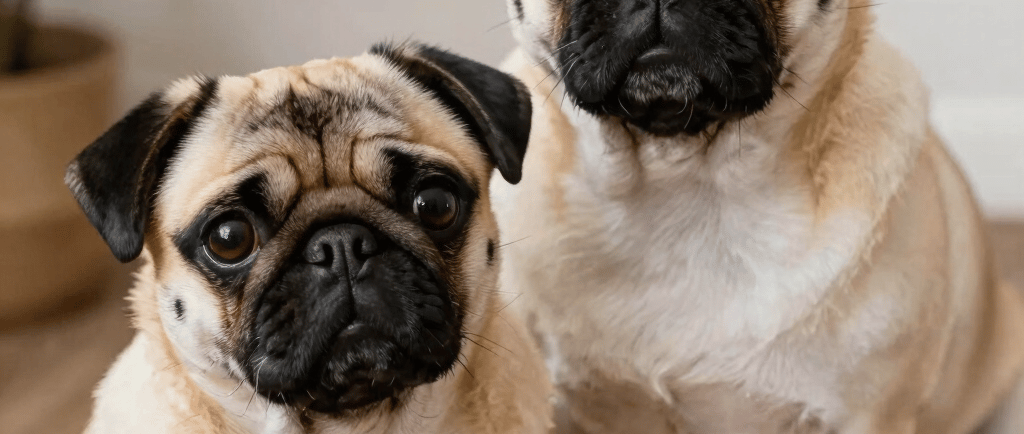
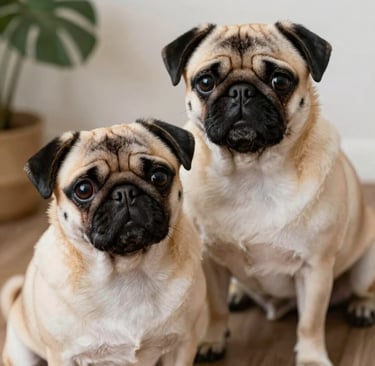
Pugs are a small breed characterized by their distinctive wrinkled faces, round bodies, and curly tails. These delightful dogs typically weigh between 14 to 18 pounds and stand about 10 to 14 inches tall, making them an ideal pet for various living situations, including apartments and homes with limited space. Their short, smooth coats come in various colors, including fawn, black, and silver, contributing to their charming and lovable appearance.
Beyond their physical traits, pugs exhibit a unique personality that often captivates dog lovers. Known for their playful and mischievous behavior, pugs have a tendency to entertain their families with silly antics that showcase their innate curiosity. Their expressive faces and vibrant personalities make them not only endearing companions but also incredibly engaging pets. One of the hallmark traits of the pug breed is their propensity for forming deep bonds with their owners. This attachment is often evident in their desire for close physical proximity, as they thrive on companionship and love to be around their human counterparts.
Pugs are often characterized as sociable and affectionate, which contributes significantly to their appeal as family pets. Their friendly demeanor allows them to get along well with children and other animals, thereby enhancing their role as loving, family-oriented companions. Unlike some dog breeds that may display aloofness, pugs are known for their eagerness to please and their desire to be involved in family activities. This affectionate nature, combined with their playful spirit, creates a unique bond with their owners that many pug enthusiasts find unparalleled.
The Emotional Intelligence of Pugs
Pugs are often characterized by their robust personalities and affectionate nature, which can be attributed to their notable emotional intelligence. This breed exhibits a unique ability to read and respond to human emotions, establishing an emotional bond that is particularly profound in comparison to other dog breeds. Research indicates that dogs, including pugs, have developed an acute sensitivity to human cues, allowing them to understand and react appropriately to their owners' emotional states.
One pivotal study published in the journal *Animal Cognition* highlighted that dogs possess an exceptional ability to interpret human facial expressions, facilitating their capacity to gauge their owner’s feelings. Pugs, known for their expressive faces, seem to excel in this regard, often mirroring the emotional dynamics present within their household. When their owner is happy, pugs tend to display excitement and playfulness, whereas they may exhibit comforting behaviors when sensing sadness or stress.
Furthermore, pugs are known to engage in behaviors that suggest empathy. They often nuzzle or lean against their owners during moments of distress, providing not just companionship but emotional reassurance. This empathetic behavior reinforces the attachment between pugs and their owners, promoting a comforting and reassuring dynamic that many other dog breeds may not exhibit to the same extent.
In addition, the historical context of pugs as companion animals has molded their behavior to favor close human interaction. Their evolution has favored traits that enhance emotional bonding, positioning them not merely as pets but as integral family members. This emotional intelligence is indicative of the pug's deep-rooted desire for companionship, fostering a relationship that is both emotionally satisfying and reciprocated. Overall, the profound emotional intelligence of pugs plays a crucial role in their attachment to humans, highlighting the significance of these bonds in the canine-human relationship.
History and Breeding of Pugs
Pugs have a rich and fascinating history that traces back to ancient China, where they were prized companions for royalty and nobility. The breed is believed to have originated around 400 B.C. They were known as "Lo-sze" in ancient texts and were often found in the company of Chinese emperors, such as the famous Emperor of the Tang Dynasty. These dogs were bred with an emphasis on creating a gentle and affectionate temperament, which catered to the cozy lifestyle of their human counterparts.
As pugs were bred specifically for companionship, their genetic makeup has predisposed them to develop strong attachments to humans. Unlike working dogs that have been bred for specific labor-oriented tasks, pugs were selectively bred for their unique personalities and ability to bond with people. This intentional breeding strategy has played a significant role in fostering the emotional connection that pugs exhibit towards their owners.
Following their introduction to Europe in the 16th century through trade routes, the pug's popularity soared among the aristocracy. The breed adapted to new social settings, and their affectionate nature and playful demeanor made them well-suited for companionship in various household environments. Over the years, breeders continued to focus on enhancing their endearing qualities, ensuring that the bond between pugs and their owners would remain strong.
The breeding practices of pugs emphasize traits such as loyalty and sociability, both of which contribute to the intense attachment behaviors we observe today. As pugs thrive on human interaction, their historical role as lapdogs and the emphasis placed on companionship have culminated in today’s pugs being deeply ingrained with an affectionate disposition. This connection between pugs and their owners can be traced back through their lineage, illuminating the reasons behind their profound attachment to humans.
Socialization and Behavioral Traits
Pugs are renowned for their profound attachment to their owners, and this affinity can be attributed to their unique socialization practices and behavioral traits. Originally bred in China, pugs were companions to royalty and gradually became cherished family pets. This history has ingrained in them a strong inclination towards seeking companionship, making them particularly adept at forming close bonds with humans.
The playful demeanor of pugs significantly contributes to their attachment style. They possess an amusing and affectionate nature that encourages interaction and engagement with their owners. Their vibrant personalities make them highly entertaining, as they exhibit quirky behaviors and charming antics. This playful attitude not only fosters a joyful environment but also strengthens the emotional connection between pugs and their families.
Moreover, pugs are inherently social dogs. They thrive on interaction and often exhibit stress or anxiety when left alone for prolonged periods. Unlike some dog breeds that may be more independent or aloof, pugs frequently seek out the company of other human beings, demonstrating a notable desire for belonging. This behavior can be observed in their insistence to follow their owners around the house or snuggle up during quiet moments.
When considering their behavioral traits compared to other breeds, pugs stand out for their need for social bonding. Many dogs exhibit attachment forms to their owners, but pugs are particularly intense in their interactions and reliance on human companionship. Through consistent positive reinforcement during their formative years, pugs can develop strong social skills that further enhance their bond with humans, ensuring they remain loyal and devoted companions.
The Role of Routine and Environment
Pugs are known for their affectionate nature and their tendency to form close bonds with their owners. One key factor contributing to this attachment is the pug's routine and environment. Pugs thrive in stable and predictable settings, where their needs for companionship, stimulation, and comfort can be consistently met. A pug's environment, including their living conditions and the presence of family members, plays a crucial role in nurturing this bond.
Living in a loving and engaging environment is essential for a pug's emotional well-being. For instance, when pugs are surrounded by family members who actively participate in their lives, they tend to feel more secure and valued. Daily interactions, such as playtime, feeding, and grooming, reinforce trust and attachment between the pug and its owners. Whether it is a simple game of fetch or sharing cuddle time on the sofa, these moments are vital for strengthening their relationship.
Moreover, establishing a routine contributes significantly to a pug's sense of stability. Pugs benefit from regular schedules concerning meals, walks, and playtime. These structured activities not only provide physical exercise but also mental engagement, keeping pugs stimulated and happy. When pugs can anticipate these activities, they develop a stronger attachment to their owners, as their daily experiences become enriched through positive interactions.
In essence, creating a nurturing environment along with a predictable routine fosters a profound bond between pugs and their owners. This environment—characterized by consistent love and engagement—ensures that pugs feel secure, cherished, and ultimately, more attached to their humans compared to other dog breeds that may not share the same lifestyle or emotional considerations.
Comparative Attachment Styles with Other Dog Breeds
When considering the attachment styles of various dog breeds, it becomes evident that pugs exhibit a notably higher level of attachment to their owners when compared to several other breeds. This affectionate behavior can be attributed to a range of psychological and behavioral factors that differentiate pugs from their canine counterparts.
Pugs are known for their strong desire to be close to their human companions, often seeking physical affection and companionship. This characteristic can be contrasted with breeds like the Shiba Inu or the Afghan Hound, which are recognized for their independent nature. These dog breeds tend to display a more aloof demeanor, often preferring to explore their surroundings alone rather than seeking constant interaction with their owners.
In contrast, breeds such as Golden Retrievers and Labrador Retrievers also show high attachment levels, similar to pugs, but the way they express this attachment varies. While both Golden Retrievers and Labradors are playful and sociable, their attachment is often more about loyalty and companionship rather than the clinginess characteristic of pugs. Pugs, with their charmingly flat faces and endearing personalities, are often referred to as "velcro dogs" due to their tendency to stick closely to their owners.
Furthermore, the breed’s historical background plays a critical role in understanding their attachment styles. Pugs were originally bred as companion animals, primarily for social interaction with humans. This cooperative breeding history likely contributes to their inherent need for closeness. Additionally, their sociable temperament sets them apart from more independent breeds, making pugs especially sensitive to the emotional cues of their owners.
In conclusion, while many dog breeds exhibit varying degrees of attachment, pugs are distinguished by their clingy and affectionate nature, stemming from their unique behavioral and psychological traits. Understanding these differences can enhance the relationship between pet owners and their dogs, promoting a deeper bond overall.
Conclusion: The Unique Bond Between Pugs and Their Owners
The bond between pugs and their owners is undoubtedly special, marked by emotional and behavioral characteristics that are distinctively profound. Throughout our examination of the attachment of pugs, we highlighted several factors that contribute to this unique connection. First and foremost, the temperament of pugs plays a pivotal role in their relational dynamics. Their affectionate and playful nature is consistent in showcasing loyalty and fondness toward their humans, which can be attributed to their breeding as companion animals.
Additionally, the social behaviors exhibited by pugs further amplify the sense of attachment. Pugs possess an innate ability to read human emotions, responding with empathy and understanding. This emotional intelligence enables them to form strong, meaningful interactions with their owners, fostering a sense of companionship that can be comforting and joyful. The physical closeness they often seek, whether through cuddling or simply following their owners around, signifies their deep-seated desire for connection.
Moreover, this bond is mutually beneficial. Owners often find joy and fulfillment in the companionship that comes with having a pug. The light-hearted antics and loving demeanor of pugs can significantly enhance an owner’s quality of life, proving to be invaluable allies in combating loneliness and anxiety. This reciprocal relationship nurtures a profound affection that can be particularly intense compared to other dog breeds.
In closing, the emotional ties that bind pugs to their owners reveal why they appear to be more attached than many other dogs. The affable nature of pugs, their intuitiveness, and the shared joy they bring illustrate a remarkable bond that enriches the lives of both pugs and their human companions. This unique attachment exemplifies the joys of pet ownership and the special role that pugs play within many families.